The landscape of industrial automation is rapidly evolving, and Smart Motors are at the forefront of this transformation. As reported by MarketsandMarkets, the global Smart Motor market is expected to reach $26.8 billion by 2026. This surge is driven by advancements in IoT and AI technologies, which enhance motor performance and energy efficiency. Smart Motors are not only revolutionizing manufacturing but also paving the way for more sustainable practices.
In many industries, energy efficiency is becoming paramount. According to the International Energy Agency, electric motors account for approximately 45% of the global electricity consumption in industrial sectors. Integrating Smart Motors can cut energy usage significantly, providing both cost savings and environmental benefits. However, the adoption of these technologies can be challenging. Many companies struggle with the initial costs and the complexity of integration.
The road ahead is promising but requires careful consideration. While Smart Motors offer incredible potential, inconsistent standards and varying levels of technology readiness can pose obstacles. Buyers must stay informed about the latest trends and technologies to ensure effective implementation. Understanding these dynamics will empower global buyers to make informed decisions, aligning their investments with future industry benchmarks.
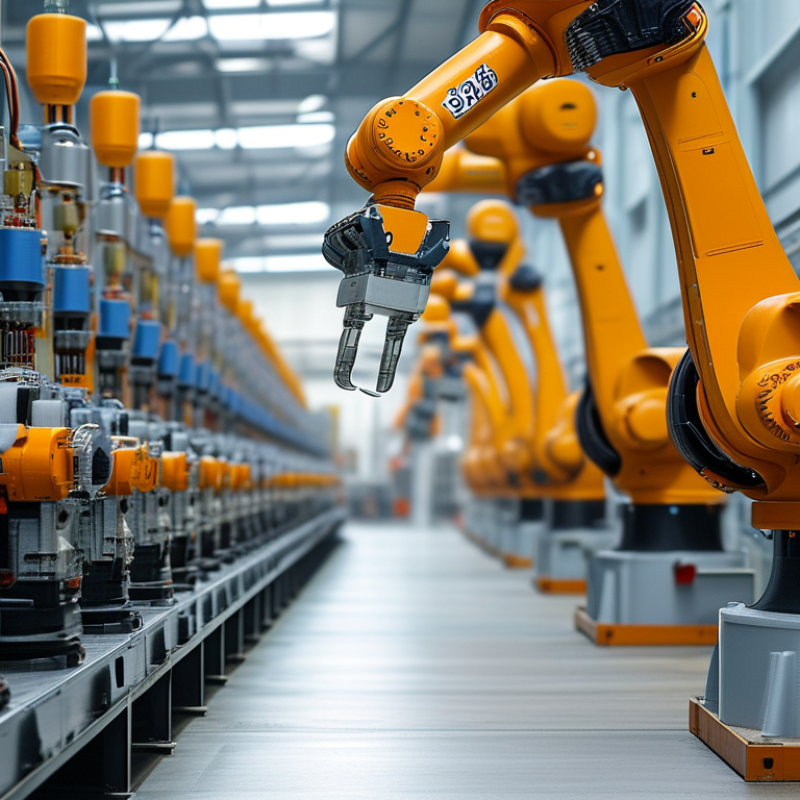
Overview of Smart Motor Technologies in 2026
As we look ahead to 2026, smart motor technologies are set to revolutionize various industries. These innovative systems play a crucial role in enhancing automation, energy efficiency, and overall performance. By integrating advanced sensors and artificial intelligence, smart motors can adapt their operation in real-time. This adaptability is essential for applications ranging from manufacturing to transportation.
Data-driven analytics will be pivotal in optimizing smart motor performance. This data helps identify inefficiencies and prevent potential failures. However, reliance on technology may raise concerns about cybersecurity risks. Businesses must address these vulnerabilities. A balanced approach to innovation is vital for leveraging smart motors while safeguarding data integrity.
Sustainability remains a key focus. As industries strive to reduce their carbon footprint, smart motors can contribute significantly. Their energy-efficient designs often lead to lower operational costs. Nevertheless, it’s essential to reflect on the environmental impact of manufacturing these technologies. Understanding the full lifecycle of smart motors is crucial for making informed purchasing decisions.
2026 Smart Motor Trends Every Global Buyer Should Know - Overview of Smart Motor Technologies in 2026
| Technology |
Key Features |
Applications |
Market Growth (%) |
| IoT-Enabled Motors |
Remote monitoring, predictive maintenance |
Industrial automation, HVAC systems |
15% |
| High-Efficiency Motors |
Reduced energy consumption, lightweight design |
Renewable energy, transportation |
10% |
| Smart Drives |
Integrated control algorithms, real-time adjustments |
Robotics, conveyor systems |
12% |
| Wireless Motor Control |
Remote operation, reduced cabling |
Manufacturing, home appliances |
20% |
| Brushless DC Motors |
Longer lifespan, higher efficiency |
Electric vehicles, drones |
18% |
Key Features of Smart Motors for Global Markets
Smart motors are gaining traction globally for their advanced features. These motors enhance automation and efficiency across various industries. They provide real-time performance data, contributing to improved decision-making. This data enables users to monitor and analyze their systems effectively, promoting operational efficiency.
Energy efficiency is a critical aspect of smart motors. Incorporating sensors allows for precise energy management. This capability leads to reduced operational costs and lower carbon footprints. However, transitioning to these motors can present challenges. Not all facilities have the infrastructure to support smart technologies. Some users may underestimate the need for training and adaptation.
Connectivity and integration are key features of smart motors. They can be linked to the Internet of Things (IoT), facilitating seamless communication between devices. This can be remarkably beneficial for predictive maintenance. Yet, the reliance on technology raises concerns about cybersecurity. Ensuring data security while maximizing efficiency remains a critical area for reflection and improvement.
2026 Smart Motor Trends
Market Trends Driving Smart Motor Adoption
In the world of manufacturing and automation, smart motors are emerging as pivotal components. Their adoption is influenced by key market trends that every buyer must understand. Energy efficiency remains a critical driver. Industries are under pressure to reduce energy costs and carbon footprints. Smart motors help achieve these goals by optimizing energy use. They often showcase advanced sensors that provide real-time data on performance. Such features enable better decision-making and predictive maintenance.
Investing in smart motors can seem daunting. It's essential to evaluate compatibility with existing systems. Not all smart motors integrate seamlessly. A thorough assessment can prevent future complications. Moreover, consider user training. A motor is only as good as the operators managing it. Some organizations may underestimate this need, leading to underperformance.
Adopting IoT technology is another trend gaining traction. Smart motors connected to IoT platforms allow for remote monitoring and control. This capability offers invaluable insights into operational efficiency. However, buyers must remain vigilant about cybersecurity. As systems become interconnected, the risk of cyber threats increases. Regular updates and robust security measures are necessary to safeguard data. Balancing innovation with safety is crucial in this evolving market.
Challenges in Smart Motor Implementation
The implementation of smart motors presents various challenges for global buyers. According to a report by Research and Markets, the global smart motor market is expected to grow at a CAGR of 14.6% from 2021 to 2026. However, integrating smart motor technology into existing systems often proves difficult. Many industries still rely on outdated machinery, which can complicate the upgrade process.
A significant challenge is the lack of standardized protocols. Each manufacturer may have different communication standards for their smart motors. Consequently, this fragmentation can lead to compatibility issues, hindering seamless integration. Furthermore, cybersecurity concerns are rising. Smart motors often connect to networks, making them vulnerable to cyber threats. A study by Cybersecurity Ventures estimated that cybercrime costs are projected to reach $10.5 trillion annually by 2025, stressing the importance of security in smart technology adoption.
Training staff to manage new systems is another hurdle. Many organizations struggle to find skilled personnel familiar with smart motor technology. This skill gap could delay implementation and reduce efficiency. Industry experts highlight the need for comprehensive training programs to address this problem. Addressing these challenges requires not only investment but also strategic planning to ensure successful adoption.
Future Innovations in Smart Motor Design and Functionality
The future of smart motors promises revolutionary innovations in design and functionality. Emerging trends show a focus on energy efficiency, miniaturization, and integrated connectivity. Smart motors will harness IoT capabilities. This allows real-time monitoring and predictive maintenance, enhancing performance and longevity.
One key innovation is adaptive control systems. These systems learn from operating conditions, optimizing efficiency. They can automatically adjust parameters based on load and environmental changes. This not only saves energy but also extends the motor's lifespan.
Tip: Consider the operational conditions when selecting a smart motor. Different environments require tailored solutions for maximum efficiency.
Another intriguing trend is the use of advanced materials. Lightweight and durable materials reduce motor size, simplifying installation and enhancing integration into compact designs. However, sourcing sustainable materials poses challenges. Continuous refinement in material science is essential to address these issues.
Tip: Stay informed about material innovations. They can significantly influence motor performance and sustainability.
As we move forward, the emphasis will be on collaboration. Manufacturers must work closely with engineers and end-users to co-develop solutions. Every new innovation carries its own set of challenges. Acknowledge them and strive for better designs.
FAQS
: Energy efficiency is a key driver, helping reduce costs and carbon footprints.
They feature advanced sensors that provide real-time performance data.
Operators greatly influence motor performance. Underestimating this need can lead to issues.
IoT connectivity enables remote monitoring and control, enhancing operational insights.
With IoT, the risk of cyber threats increases, making regular updates essential.
They learn operating conditions and optimize parameters, saving energy and extending lifespan.
Advanced materials can reduce size but finding sustainable options is challenging.
Collaboration with engineers and end-users is crucial for developing better solutions.
Balancing innovation with sustainability requires continuous refinement in material science.
Environmental conditions require tailored solutions for optimal performance.
Conclusion
In 2026, the evolution of Smart Motors is set to reshape various global markets by incorporating advanced technologies that enhance performance and energy efficiency. Key features such as real-time monitoring, predictive maintenance, and adaptive control mechanisms are making Smart Motors increasingly attractive to industries seeking to optimize operations. Market trends indicate a growing demand for automation and IoT integration, driving broader adoption across sectors.
However, challenges such as high initial costs, integration complexities, and skill shortages in workforce development are hindering seamless implementation. Despite these obstacles, future innovations in Smart Motor design promise remarkable enhancements in functionality, including improved connectivity and artificial intelligence capabilities. As the industry progresses, the emphasis on sustainable solutions and smart integration will be pivotal in overcoming these challenges and facilitating the growth of Smart Motors in the global market.

 Yaftech Motor