Why Choose Brushless Drive for Your Next Project?

Time:2026-07-21 Author:Sophia
0%

When selecting components for engineering projects, the choice of drive system is crucial. Many professionals are turning to Brushless Drive technology due to its numerous advantages. It offers higher efficiency, less maintenance, and greater reliability compared to traditional systems. However, not everyone may fully understand its benefits.

Brushless Drives generate less heat and noise. This can lead to a more pleasant user experience. They often operate at higher speeds, enhancing overall performance. The longevity of these systems helps reduce overall costs in the long run. Yet, the initial investment might seem daunting for some.

Understanding the nuances of Brushless Drive technology can drive success in your projects. While they are a superior option for many applications, consider your specific needs and constraints. Every project brings unique challenges, and familiarity with this technology will only enhance your team's execution and problem-solving capabilities.
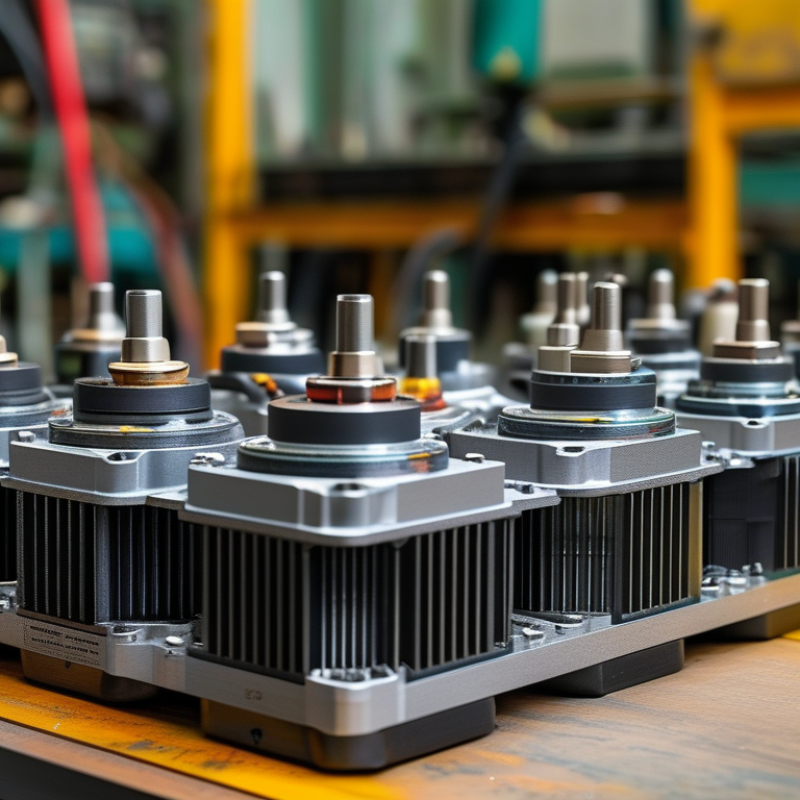
Why Choose Brushless Drive for Your Next Project?

Advantages of Brushless Drive Over Traditional Systems

Brushless drive systems offer significant advantages over traditional systems. These drives eliminate the need for brushes, which can wear out over time. This results in less maintenance and longer life expectancy for the motor. Brushless motors can operate at higher speeds while maintaining efficiency. This makes them ideal for applications requiring precision and reliability.

The efficiency of brushless drives also leads to energy savings. They convert more electrical energy into mechanical energy compared to brushed motors. This reduces heat production and prolongs component life. Many engineers find that the smoother operation of brushless systems reduces vibrations. This can contribute to a safer operating environment and lower noise levels.

However, the initial cost can be a barrier for some projects. Implementing brushless technology may require adjusting existing setups or retraining personnel. Engineers must weigh the benefits against these challenges. Despite potential difficulties, the long-term gains of efficiency and reliability often justify this transition.

Why Choose Brushless Drive for Your Next Project? - Advantages of Brushless Drive Over Traditional Systems

Feature Brushless Drive Traditional System
Efficiency High (over 90%) Moderate (70%-80%)
Maintenance Low High
Noise Level Very low Higher
Lifespan Long (up to 30,000 hours) Shorter (5,000-15,000 hours)
Weight Lightweight Heavier
Start-Up Torque High Variable

Applications of Brushless Drive in Various Industries

Brushless drives have gained traction across various industries due to their efficiency and reliability. In manufacturing, these drives power robotics with precision. They enhance speed while minimizing maintenance needs. This means less downtime and increased productivity. In automotive applications, electric vehicles use brushless motors for smoother acceleration and reduced noise. The technology supports regenerative braking, making it more energy-efficient.

In healthcare, brushless drives are integral in medical devices. They ensure accurate movements in surgical tools and imaging equipment. This accuracy can make a significant difference in patient outcomes. However, transitioning to this technology can be challenging. Some existing systems may need significant upgrades to integrate brushless solutions effectively. It highlights the need for careful planning and analysis in implementation.

A notable application is in the aerospace industry. Brushless motors are part of drones and aircraft systems. They contribute to weight reduction and improved flight control. Yet, these advancements come with higher initial costs. Organizations must weigh the long-term benefits against upfront investments. Adopting brushless technology is not always straightforward, but its advantages are compelling for future projects.

Applications of Brushless Drive in Various Industries

Technical Aspects of Brushless Drive Technology

Brushless drive technology has gained popularity across various industries due to its technical advantages. One significant benefit is efficiency. According to the National Renewable Energy Laboratory, brushless motors can achieve efficiency rates exceeding 90%. This means less energy waste and lower operational costs over time.

Another aspect to consider is reliability. Brushless drives have fewer moving parts than their brushed counterparts. This reduction leads to a longer lifespan. According to a report by the Electric Power Research Institute, typical brushless motor failure rates are 50% lower compared to traditional motors. This durability is essential in applications where downtime can be costly.

Heat management also plays a crucial role. Brushless drives tend to operate cooler, which is beneficial in preventing overheating. However, the complexity of their electronic control systems can pose challenges. Engineers need to ensure proper implementation to avoid potential failures. Fine-tuning these systems requires technical expertise and careful consideration.

Cost-Effectiveness and Maintenance Considerations

When considering a brushless drive for your next project, maintenance plays a critical role. These systems typically require less regular upkeep compared to their brushed counterparts. With fewer moving parts, brushless motors are less prone to wear and tear. This leads to lower operational costs over time.

Cost-effectiveness also comes into play. While the initial investment for a brushless drive might be higher, the long-term savings are notable. For example, reduced energy consumption can significantly lower your utility bills. These motors also boast a longer lifespan, resulting in fewer replacements and repairs.

However, it's important to realize that not every project may benefit from this technology. If your application requires high torque at low speeds, performance may vary. Additionally, the complexity of brushless systems might necessitate specialized knowledge during installation. Investing time in understanding these factors can enhance your decision-making process. Balancing these considerations carefully will ensure you choose the right drive for your needs.

Future Trends in Brushless Drive Development

The future of brushless drive technology is promising and rapidly evolving. As industries seek more efficient solutions, brushless drives are at the forefront. They offer higher efficiency and lower maintenance compared to traditional motors. This makes them ideal for various applications, from electric vehicles to robotics. These systems can significantly reduce energy consumption, which aligns with global sustainability goals.

One of the key trends is the integration of smart technology. Advanced sensors are now being used to monitor performance in real-time. This data helps in predictive maintenance, minimizing downtime. Designers must consider the balance between complexity and reliability. Using overly sophisticated systems may lead to increased failure rates if not managed correctly.

Tip: When selecting a brushless drive for your project, focus on applications that require precision and durability.

Emerging technologies, like IoT, enhance brushless drive efficiency. With IoT integration, drives can communicate with other devices, enabling greater optimization. However, designers need to be aware of cybersecurity threats. A simple oversight can expose entire systems to risks.

Tip: Always perform a risk assessment before implementing IoT solutions in your drive systems.

FAQS

: What is a key benefit of brushless drive technology?

: Brushless drives can achieve efficiency rates exceeding 90%. This leads to less energy waste.

How does reliability compare between brushless and brushed motors?

Brushless drives have fewer moving parts. This results in 50% lower failure rates than traditional motors.

What effect does heat management have on brushless systems?

Brushless drives operate cooler, reducing the risk of overheating. However, their complexity can cause issues.

How does maintenance for brushless drives differ from brushed motors?

Brushless motors require less regular maintenance due to fewer moving parts. This lowers overall operating costs.

Are brushless drives cost-effective in the long run?

Yes, initial costs may be higher, but long-term savings from reduced energy use and lifespan are significant.

What should be considered in terms of application performance with brushless systems?

Performance may vary if high torque at low speeds is needed. Each application has unique requirements.

Is specialized knowledge required for installing brushless drives?

Yes, the complexity of these systems may require technical expertise for proper installation and functionality.

What challenges could arise from the electronic control systems of brushless drives?

Complexity in control systems can lead to potential failures if not properly managed.

Can all projects benefit from brushless drive technology?

Not necessarily. Some applications may not suit brushless options due to specific performance needs.

Is it important to balance considerations when choosing a drive?

Yes, carefully weighing efficiency, maintenance, and application needs is crucial for the right choice.

Conclusion

Brushless Drive technology offers numerous advantages over traditional systems, including higher efficiency, lower noise levels, and reduced maintenance requirements. Its ability to operate without brushes minimizes wear and tear, making it a more durable option for various applications. Industries such as automotive, aerospace, and robotics have increasingly adopted Brushless Drive systems due to their reliability and performance in demanding environments.

From a technical standpoint, Brushless Drive systems utilize advanced electronic controls to enhance power management and performance. While the initial investment may be higher, the long-term cost-effectiveness and decreased maintenance needs make Brushless Drive an attractive choice for many projects. As technology evolves, future trends indicate further developments in efficiency and application versatility, solidifying the role of Brushless Drive in modern engineering solutions.

Sophia

Sophia

Sophia is a dedicated marketing professional with an exceptional depth of knowledge about her company's products and services. With a keen understanding of market trends and customer needs, she crafts insightful blog posts that not only inform but also engage readers, enriching the company’s online......