How to Choose the Best Electric Actuator for Your Needs?

Time:2026-07-11 Author:Ethan
0%

Choosing the right Electric Actuator is crucial for efficiency. With many options available, it can feel overwhelming. Expert Daniel Hayes, a leading specialist in automation technology, notes, “Selecting the right actuator can make or break your system’s performance.”

When considering an Electric Actuator, every detail matters. From precise motion control to energy efficiency, each factor plays a role. A well-chosen actuator can enhance operation and ensure reliability. Too often, users overlook compatibility details, leading to costly errors.

Understanding your specific needs is essential. Evaluate parameters like speed, load capacity, and environmental conditions. Failing to align these can result in poor performance. An approach focused on application requirements will yield the best results. An informed choice will ultimately drive success in any automation project.
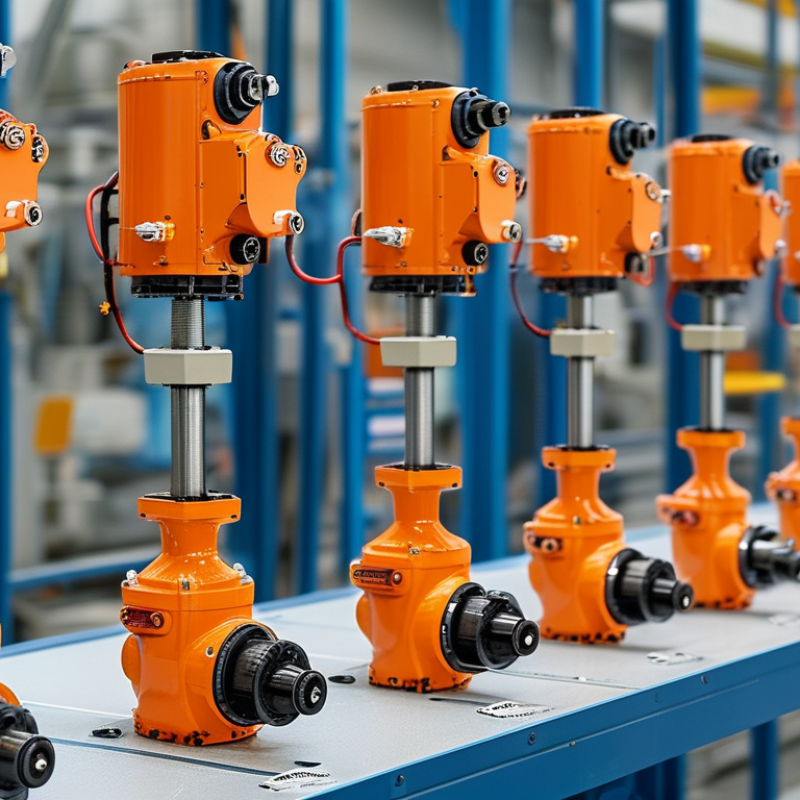
How to Choose the Best Electric Actuator for Your Needs?

Understanding Electric Actuators: Types and Functions

Electric actuators play a crucial role in modern automation systems. Understanding the types and functions of these devices can help optimize your operations. Electric actuators convert electrical energy into mechanical motion, making them essential for controlling valves, dampers, and other equipment. According to a report by MarketsandMarkets, the global electric actuator market is projected to reach $37.76 billion by 2027, driven by the demand for efficient automation solutions.

There are several types of electric actuators, including linear and rotary. Linear actuators create motion along a straight line, ideal for applications requiring push or pull functions. Rotary actuators, on the other hand, provide motion in a circular direction, often used for rotating valves or mechanisms. Each type has unique benefits and applications, which should be assessed based on your specific needs. For example, linear actuators are commonly used in packaging and material handling sectors.

When selecting an electric actuator, consider factors like load capacity, speed, and environment. Not all actuators perform well under every condition. A report from Research and Markets notes that about 20% of actuator issues stem from inappropriate choices for environmental conditions. This highlights the importance of understanding your specific requirements and potential limitations before making a decision.

How to Choose the Best Electric Actuator for Your Needs?

Type of Electric Actuator Function Common Applications Torque Range (Nm) Power Supply (V)
Linear Actuator Converts rotational motion into linear motion Pharmaceutical, Automotive 10 - 1000 Nm 24V, 48V
Rotary Actuator Provides rotational output Robotics, Aerospace 5 - 300 Nm 12V, 24V, 120V
Servo Actuator Controlled motion for precision CNC Machines, Industrial Automation 1 - 500 Nm 24V, 48V, 220V
Electric Linear Slide Linear movement along a fixed path Material Handling, Packaging 15 - 250 Nm 12V, 24V

Key Factors to Consider When Choosing an Electric Actuator

When selecting an electric actuator, several key factors demand attention. Start by defining the required torque and speed. This determines the actuator’s capability to perform adequately. Additionally, consider the load it will handle. Heavy loads necessitate robust actuators. Underestimating these requirements can lead to performance issues.

Another critical factor is the environment where the actuator will operate. Temperature, humidity, and exposure to chemicals can all impact actuator performance. An actuator designed for harsh conditions offers longevity and reliability. Regularly assess if the chosen model withstands operational demands versus environmental challenges.

Lastly, look into control options. Compatibility with existing systems is essential for seamless integration. Reviewing available control protocols ensures the actuator can be operated efficiently. Be prepared for potential connectivity issues that may arise. In the end, a thoughtful selection process ultimately leads to an effective solution tailored to unique needs.

Assessing the Specific Requirements of Your Application

When choosing an electric actuator, it’s crucial to assess the unique requirements of your application. Understanding the load capacity is essential. Consider the weight you need the actuator to handle. An actuator that is insufficiently rated can struggle, leading to inefficiency and potential failure. Specify the speed required for your operation. Too fast, and you may compromise control. Too slow, and the process can stall.

Environmental factors also play a critical role. Will the actuator be exposed to dust, moisture, or extreme temperatures? These conditions can affect performance and lifespan. Evaluate the available mounting space. If your design is constrained, a compact actuator might be necessary. This can sometimes lead to trade-offs in terms of power and durability.

Don’t forget to think about the control method you need. Do you require precise positioning or a simple open/close function? The technology you choose should align with your operational goals. Reflect on how often the actuator will be used. Frequent use may require more robust options. Always remember, making a choice without careful consideration might lead to costly mistakes later on.

Evaluating Performance Metrics and Specifications

When selecting an electric actuator, performance metrics are critical. Key specifications include torque, speed, and duty cycle. According to industry reports, a high-performance actuator typically offers a torque range of 20 to 1,200 Nm. This range can significantly influence your machinery's efficiency.

Another crucial metric is the actuator’s speed. Most models operate between 5 mm/s and 300 mm/s. This variance affects response times in applications. A slower actuator may hinder workflow efficiency in fast-paced environments. Evaluate if your project demands rapid actuation or if a slower response is acceptable.

Duty cycle stability should also be assessed. Many electric actuators are rated for continuous use, but some can only operate intermittently. Knowing your requirements is essential. Continuous-duty actuators often last longer but may cost more upfront. Analyzing these specifications can ensure you select an actuator aligned with your project needs.

Budgeting and Cost Considerations for Electric Actuators

When considering electric actuators, budgeting is crucial. The costs vary widely based on specifications. Understanding your needs is the first step. Will the actuator operate in a harsh environment? Higher durability often comes at a premium. Evaluate your project requirements carefully.

Maintenance should factor into your budget. Some actuators may need more frequent repairs or replacements. This adds to long-term costs. Think about energy efficiency as well. A more efficient actuator could save money over time. Compare initial costs against operational expenses.

Don't overlook installation expenses. Complex systems may require professional installation, raising upfront costs. In some cases, simpler solutions can be more cost-effective. It's wise to analyze the total cost of ownership instead of just the purchase price. Balancing quality and price can lead to better choices.

FAQS

: What factors should I consider when selecting an electric actuator?

: Important factors include torque, speed, load capacity, and environmental conditions. Each aspect influences actuator choice.

How does load capacity affect my actuator selection?

The actuator must handle the intended weight. Choosing insufficient load ratings can lead to inefficiencies or failure.

Why is the operating environment important for an actuator?

Temperature, humidity, and chemical exposure can impact performance and longevity. Consider these when making your selection.

What control options should I look for in an actuator?

Ensure compatibility with your existing systems. Different control protocols can affect operational efficiency and integration.

How does speed impact actuator performance?

Speed variations affect response times. Too fast can compromise control; too slow can stall processes. Balance is key.

What is the duty cycle, and why is it significant?

Duty cycle refers to how long the actuator can operate continuously. Understanding this helps avoid costly mistakes in selection.

Can size constraints influence actuator choice?

Yes, limited mounting space may necessitate compact designs. However, this may affect power and durability trade-offs.

How often will I use the actuator, and why does it matter?

Frequent use may require more robust options. Reflecting on usage can guide you towards a suitable product choice.

What mistakes should I avoid when choosing an actuator?

Underestimating load or environmental factors can lead to performance issues. Take time to thoroughly assess your needs.

How do I ensure my actuator can operate effectively?

Conduct a careful review of performance specs and application requirements. This helps you find a tailored solution.

Conclusion

When selecting the best electric actuator for your needs, it's vital to understand the various types and functions available. Electric actuators come in diverse forms, each suited for specific applications. Key factors to consider include the environment in which the actuator will operate, its load capacity, and the required speed and precision. Assessing these performance metrics is crucial to ensure compatibility with your specific application.

Additionally, it’s essential to evaluate your budget while factoring in the total cost of ownership, which includes energy consumption and maintenance. By carefully considering these aspects, you can make an informed decision that aligns with both your operational needs and financial constraints, ensuring optimal performance from your chosen electric actuator.

Ethan

Ethan

Ethan is a seasoned marketing professional with a deep expertise in our company's innovative product line. With a passion for sharing knowledge and insights, he takes the lead in regularly updating our corporate blog, where he explores industry trends, product features, and effective marketing......