Choosing the right quadcopter motor can greatly impact your flying experience. Veteran drone expert Mark Sanders emphasizes, "The motor is the heart of your quadcopter." His insights highlight the importance of carefully selecting a motor that fits your needs.
When considering a quadcopter motor, factors like power, weight, and efficiency are crucial. A lightweight motor might improve your flight time, but it could lack the torque needed for certain maneuvers. Beginners often overlook this balance, leading to performance issues. The right choice requires a blend of technical understanding and practical experience.
Finding the best quadcopter motor isn’t always straightforward. Various models exist, each serving different purposes. Are you aiming for speed or stability? Many pilots face difficulties in making the ideal selection. It's vital to evaluate your specific requirements. Thoughtful consideration can prevent future regrets in your quadcopter journey.
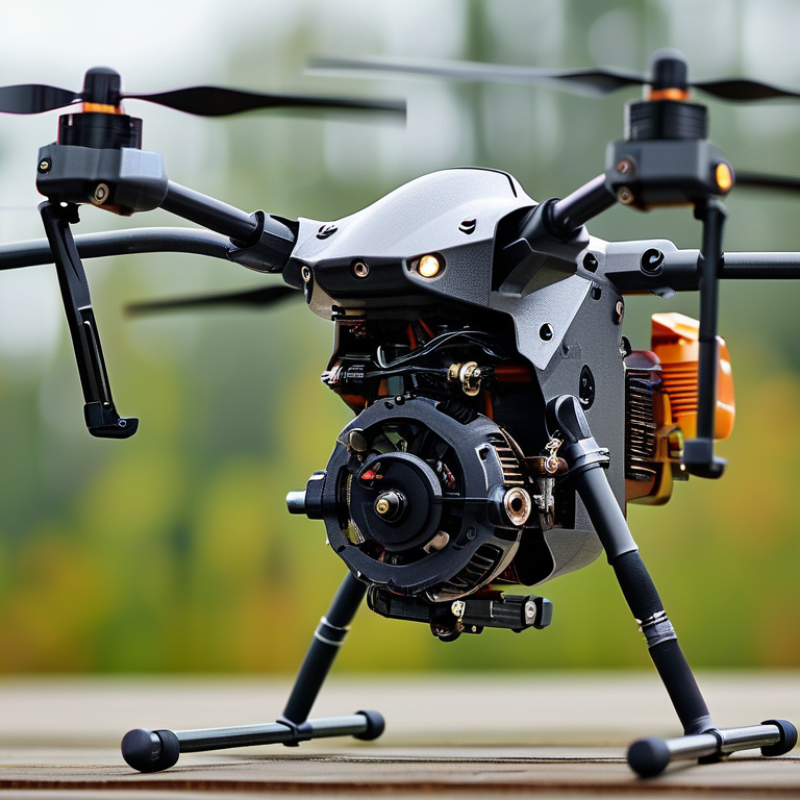
When it comes to quadcopters, understanding the motor types and specifications is crucial. A quadcopter motor's performance depends on various factors, including size, weight, and thrust. Brushless motors are popular due to their efficiency and power. They provide more thrust and are generally more reliable than brushed motors. However, they require electronic speed controllers (ESCs), which adds complexity.
Choosing the right motor means considering your quadcopter's size and intended use. For heavy loads, higher thrust motors are essential. If your goal is a lightweight, agile craft, look for smaller, efficient motors. Remember, matching the motor and propeller size is key to optimal performance. The wrong combination can lead to inefficiency or instability.
Always verify motor specifications before making a decision. Check the thrust-to-weight ratio for your quadcopter. This will guide you in achieving the desired flight performance. Low-quality motors can lead to frustration. Reliability is non-negotiable in aerial hobbies, so research is essential. The right choice impacts flight time and handling. Thus, proper evaluation is crucial for ensuring an enjoyable flying experience.
| Tip | Description | Motor Type | KV Rating |
|---|---|---|---|
| 1. Understand Your Needs | Determine the purpose of your quadcopter, such as racing, photography, or casual flying. | Brushless | 1800 - 2500 |
| 2. Choose the Right Size | Ensure that the motor size matches your quadcopter frame and propeller type. | Brushless | 2200 - 2700 |
| 3. Check Weight Limits | Verify the weight lift capacity to ensure stable flight performance. | Coreless | 500 - 1500 |
| 4. Evaluate Efficiency | Research motor efficiency to maximize flight time and battery life. | Brushless | 1000 - 2000 |
| 5. Check Manufacturer Specifications | Look for quality ratings and reviews before making a final decision. | Brushed & Brushless | 2500 - 3000 |
: Brushless motors are popular for their efficiency and reliability. They provide better thrust than brushed motors.
The right motor depends on size and intended use. Higher thrust motors are needed for heavy loads.
Matching size is crucial. The wrong combination can lead to inefficiency and instability during flight.
It helps achieve desired flight performance. A low ratio can negatively impact stability and handling.
Look for motors made from high-quality materials. Research manufacturer reputation and user reviews.
Not necessarily. Some reputable brands may still face defects. Stay informed with recent feedback.
Research can highlight common problems. It guides you towards better, reliable choices for your quadcopter.
High-quality motors tend to perform consistently, which can enhance battery efficiency during flights.
Good support means better assistance for issues. Manufacturers with a solid track record are usually more reliable.
Avoid low-quality motors. They can lead to frustration and negatively impact your flying experience.
Choosing the right quadcopter motor is crucial for achieving optimal flight performance and ensuring reliability. It begins with an understanding of the various types of quadcopter motors and their specifications, as each type can significantly impact flight dynamics. Evaluating motor size and weight is essential, as these factors contribute to the overall efficiency and handling of the quadcopter.
Matching the motor's KV rating to the specific requirements of your quadcopter is another key consideration; this rating determines how fast the motor spins per volt, affecting speed and thrust. Additionally, ensuring power supply compatibility and selecting the appropriate battery type are vital for maintaining consistent performance. Finally, assessing the quality of the motor and the reputation of its manufacturer can provide peace of mind, guaranteeing that you invest in a reliable quadcopter motor that will withstand the demands of flying.

 Yaftech Motor