Top 5 Tips to Choose the Best Drone Motor for Your Needs?

Time:2026-06-22 Author:Henry
0%

Choosing the right drone motor can significantly impact your flying experience. According to Dr. Emily Carter, a recognized expert in drone technology, “The motor is the heart of the drone.” Selecting a suitable drone motor is essential for performance and efficiency.

In the bustling world of drone enthusiasts, many overlook the importance of the motor. It's easy to get lost among flashy features and stylish designs. However, understanding the specifications of a drone motor can unlock a new level of flight. Not all motors are created equal. The right choice can enhance speed, stability, and battery life.

As you navigate through the options, consider factors like weight and thrust. Each detail matters in optimizing your drone's capabilities. Experienced drone pilots often reflect on their early mistakes in motor choices. Learning from these experiences can guide newcomers on this challenging yet rewarding journey. Embrace the depth of knowledge available in the drone community, and make an informed decision.
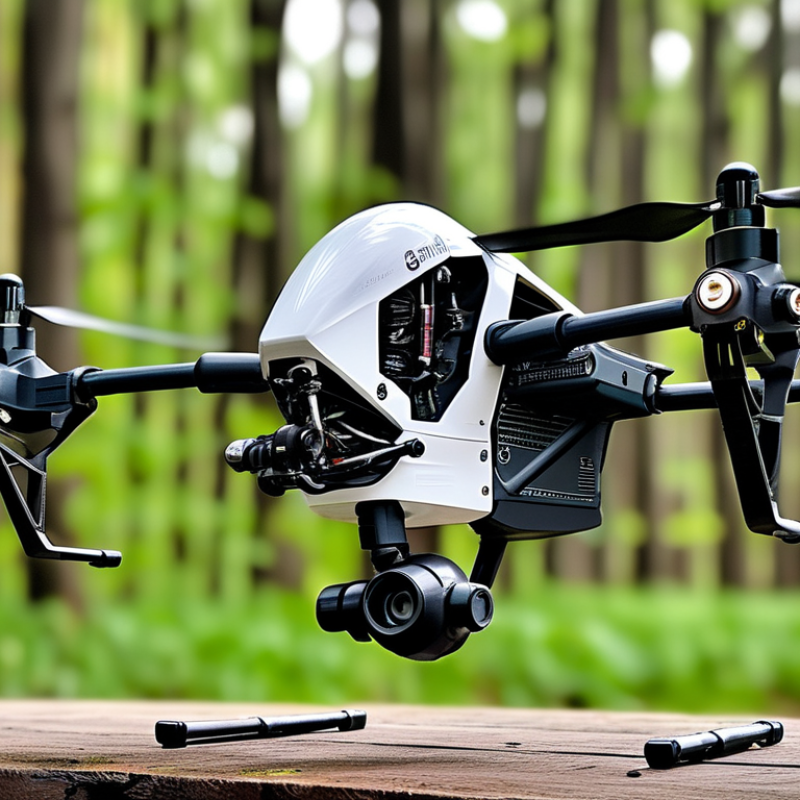
Top 5 Tips to Choose the Best Drone Motor for Your Needs?

Understanding Different Types of Drone Motors and Their Applications

When selecting the best drone motor, understanding the types available is crucial. Brushless motors are commonly used in drones because they deliver high efficiency and power. According to a 2022 industry report, about 75% of high-performance drones utilize brushless motors for their longevity and capability. These motors produce less heat, making them ideal for long flights. In contrast, brushed motors are more suited for low-cost, lightweight models. Their power is limited, affecting flight duration.

Different applications also dictate motor choice. For racing drones, high RPM is essential for speed and agility. The best configurations often involve 2204 or 2206 size motors, allowing for rapid maneuvering. Commercial drones, which need stability for photography, lean towards larger motors for consistent lift. These setups can handle heavier payloads while maintaining stability in flight. However, the trade-off is that larger motors can add weight and reduce flight time.

Battery compatibility is another factor. A motor's performance can be heavily influenced by the battery specifications. Higher voltage batteries can enhance efficiency but require the right motor to avoid damage. A mismatch can lead to overheating and reduced lifespan. The need for a careful balance emphasizes the complexity in choosing drone motors. Drones are powerful, but choosing the wrong motor can prove detrimental. Reflecting on your specific needs is often more crucial than simply picking the most popular option.

Factors to Consider When Selecting a Drone Motor for Specific Use Cases

When selecting a drone motor, several key factors come into play. Knowing the weight of your drone is crucial. A heavier drone typically needs more powerful motors. This affects flight time and stability. If you plan to carry cameras or other payloads, you must ensure the motors can handle the extra weight.

The type of drone usage also matters. For racing drones, lightweight motors with high RPM are essential. They provide quick acceleration and agility. Conversely, if you're focusing on aerial photography, prioritize smooth flight over speed. Efficiency is vital here; it translates to longer flight times.

Finally, consider the environment in which your drone will operate. Windy conditions require motors with better torque. Different terrains might also affect your choice. It’s worth noting that even experienced drone users sometimes struggle with selecting the right motor. The learning curve can be significant. Each use case demands a unique approach and thorough testing is often necessary to achieve optimal performance.

Evaluating Motor Specifications: KV Rating, Size, and Power Requirements

Choosing the right drone motor is crucial for performance. Understanding motor specifications is key. The KV rating indicates the RPM per volt. A high KV rating means faster speeds. But it may sacrifice torque. On the other hand, low KV motors provide better efficiency. They can be great for stability, especially in aerial photography.

Motor size plays a role too. Larger motors can handle heavier payloads. This is vital for aggressive flying. However, bigger motors may also drain the battery quickly. Balancing size with weight is not easy. Pay attention to the power requirements as well. Ensure your ESC can support the chosen motor's specs. A mismatch could lead to failures.

Consider these tips when selecting your motor. Assess your specific needs first. Then, analyze the environment where you’ll fly. Are you racing, filming, or just having fun? Reflect on how these factors will shape your choice. Each decision impacts your drone’s performance dramatically. Aim for a balance that suits your style.

Top 5 Tips to Choose the Best Drone Motor for Your Needs

Motor Type KV Rating Size (Diameter x Height) Power Requirements (W) Best Use Case
Brushless Motor 2200 KV 28mm x 30mm 600 W Racing Drones
Brushless Motor 1000 KV 35mm x 45mm 400 W Multirotors
Coreless Motor 3000 KV 20mm x 15mm 50 W Micro Drones
Brushed Motor 2500 KV 25mm x 22mm 40 W Toy Drones
Brushless Motor 1400 KV 30mm x 40mm 550 W Aerial Photography

Compatibility with Drone Frame: Ensuring Optimal Fit and Performance

Choosing the right drone motor is crucial for performance. Compatibility with the drone frame plays a significant role. A well-fitting motor maximizes efficiency and enhances flight stability. When selecting a motor, consider its size and weight. Ensure it matches your drone's specifications.

Next, examine the mounting options. Some frames require specific motor bases or configurations. Verify the motor’s shaft size as well. An ill-fitting motor can lead to vibrations. These vibrations can damage the drone’s electronics over time. Testing different motors can provide insight into their compatibility.

Also, consider the weight distribution. An overly heavy motor can affect flight dynamics. Aim for a balance between power and weight. It’s essential to understand your flying style as well. Some pilots prefer agility, while others prioritize endurance. Reflect on how your motor choice aligns with your needs and the drone's design. This introspection can lead to a better flying experience.

Assessing Brand Reputation and Reviews for Reliable Motor Choices

Choosing the right drone motor is crucial for optimal performance. One of the primary factors to consider is brand reputation. A strong brand often equates to reliability. According to a recent industry report, 75% of drone enthusiasts prefer well-reviewed motor brands for their projects.

Reviews play a significant role in this decision. They offer insights into not just performance but also durability and efficiency. When sifting through reviews, focus on user feedback from reputable sources. Look for detailed assessments rather than generic positive comments. This is where you find real-world performance metrics that matter.

Consider this tip: always cross-reference reviews from multiple platforms. A singular opinion can be misleading. Additionally, pay attention to the longevity of brands. A manufacturer with years of experience often has a track record that newer companies lack. Despite the allure of new technologies, established brands usually have honed their products through extensive testing.

Reflecting on your specific needs is essential too. Simply choosing a well-reviewed motor may not suffice. Think about weight, thrust, and battery efficiency. Sometimes, the most popular choice may not align with your unique requirements. Balancing brand trust with personal needs can lead to a more satisfying decision.

FAQS

: What type of motors are most commonly used in drones?

: Brushless motors are commonly used due to their high efficiency and power, making them ideal for long flights.

Why are brushed motors not preferred for high-performance drones?

Brushed motors have limited power and affect flight duration, making them suitable only for lightweight models.

How does the application affect motor choice?

Racing drones need high RPM for speed, while commercial drones require larger motors for stability and consistent lift.

What role does battery compatibility play in motor performance?

Battery specifications significantly influence motor performance. Mismatched batteries can cause overheating and shorten motor lifespan.

Why is weight an important factor when selecting a drone motor?

Heavier drones need more powerful motors for stability and flight time, especially if carrying additional payloads like cameras.

What should you prioritize for aerial photography drones?

Focus on smooth flight and efficiency to achieve longer flight times, rather than emphasizing speed and high RPM.

How do environmental conditions impact motor choice?

Windy conditions require motors with better torque, and different terrains can affect overall performance and motor requirements.

What does the KV rating indicate in drone motors?

The KV rating shows RPM per volt. High KV motors offer speed but may sacrifice torque, while low KV motors provide better efficiency.

What should users do if their motor choice doesn’t yield expected performance?

Reflect on your specific needs and whether you’ve considered the environment and use case. Testing different configurations is key.

Why is it important to assess motor size?

Larger motors can support heavier payloads but may drain the battery faster. Balancing size with weight is challenging but necessary.

Conclusion

When selecting the best drone motor for your needs, it's crucial to understand the various types of drone motors and their specific applications. Different motors are designed for diverse use cases, whether for racing, aerial photography, or heavy lifting. Key factors to consider include the motor's KV rating, size, and power requirements, all of which directly influence performance and efficiency.

Compatibility with your drone frame is also essential, as an optimal fit ensures better handling and flight capabilities. Lastly, assessing the reputation of brands, along with reading user reviews, can guide you towards reliable motor choices that meet your expectations and requirements. By carefully evaluating these aspects, you can select a drone motor that enhances your overall flying experience.

Henry

Henry

Henry is a dedicated marketing professional with a profound expertise in the company's offerings. With years of experience in the industry, he possesses an impressive understanding of the market dynamics and consumer behaviors that drive success. Henry is committed to sharing his insights through......