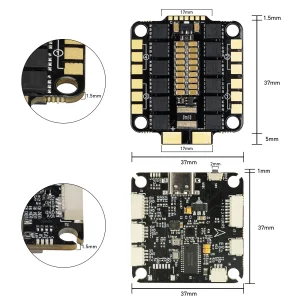
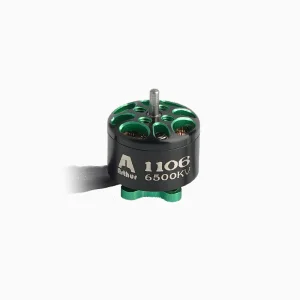
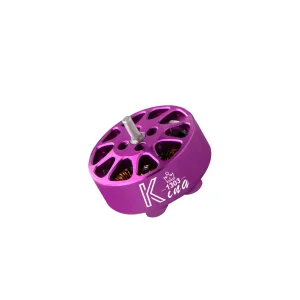
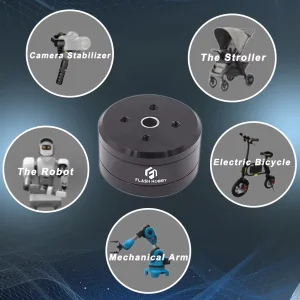
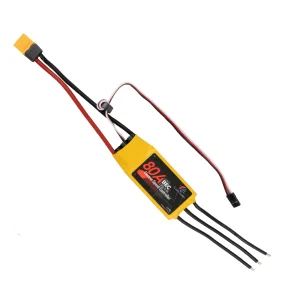
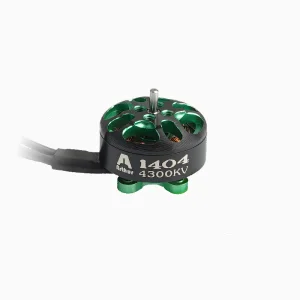
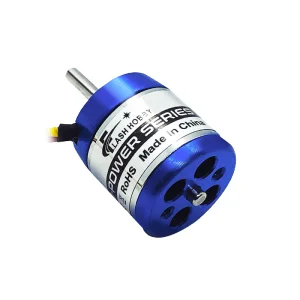
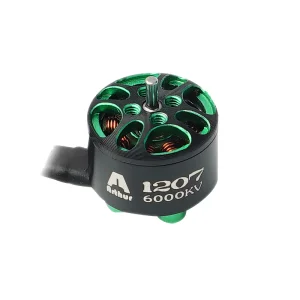
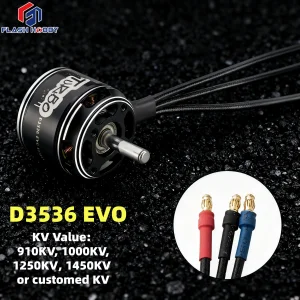
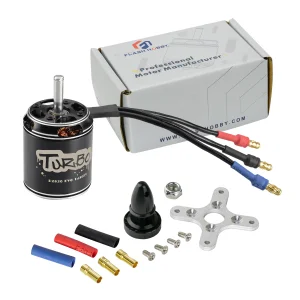
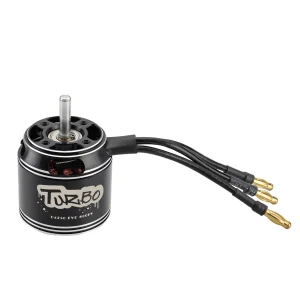
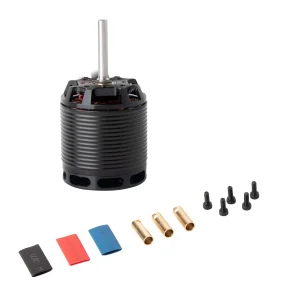
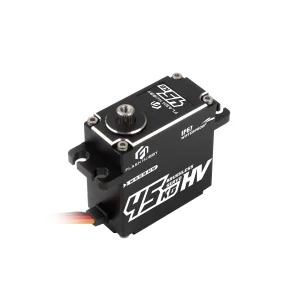
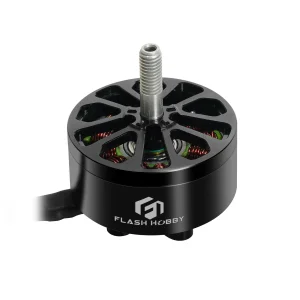
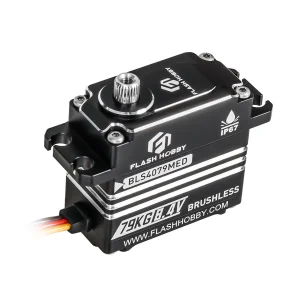
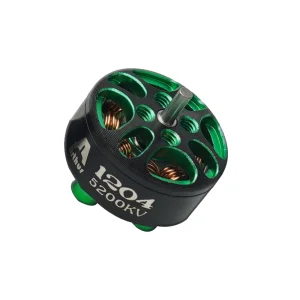
Deploying our proprietary brushless technologies and ESC modules to ensure maximum attitude correction, immediate throttle response, and dynamic motor stabilization under extreme G-force environments.
A modern Flight Stability System (FSS) is an intricate ecosystem comprising sensory arrays (IMUs, gyroscopes, accelerometers), processing units (Flight Controllers), and high-dynamic actuators (electronic speed controllers and brushless motors). In tactical unmanned aerial vehicles (UAVs), rotary aircraft, and high-performance fixed-wing platforms, a microsecond latency in propulsion response can differentiate a successful mission from total hardware loss.
To ensure aerodynamic attitude correction in turbulent boundaries, FSS demands propulsion hardware that offers immediate torque rise, minimal rotational inertia, and seamless communication protocol processing. At the core of these mechanics lies the brushless DC (BLDC) motor, which acts as the physical actuator executing the flight controller's mathematical stability corrections. Our factory focuses on minimizing structural torque ripple and mechanical jitter to guarantee that flight stabilization loops operate at high-frequency ranges (e.g., DShot1200 protocols) without causing harmonic resonance in the airframe.
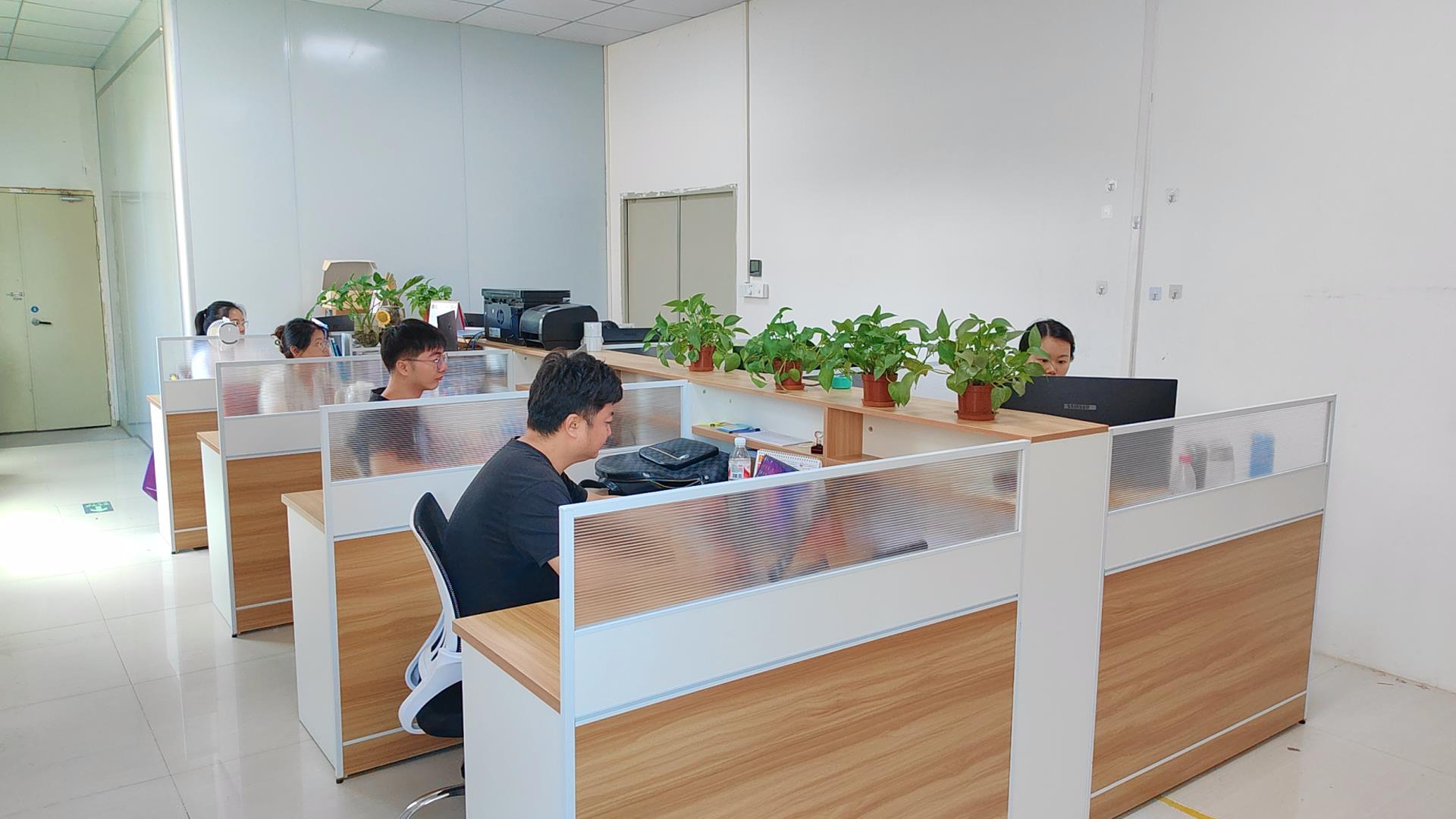
At Huizhou Yaftech Motor Co., Ltd., we believe that the heart of every great machine is a reliable motor. As a premier China DC motor manufacturer, we have spent over 10 years specializing in the design, customization, and mass production of high-performance DC and brushless motor solutions for global industries.
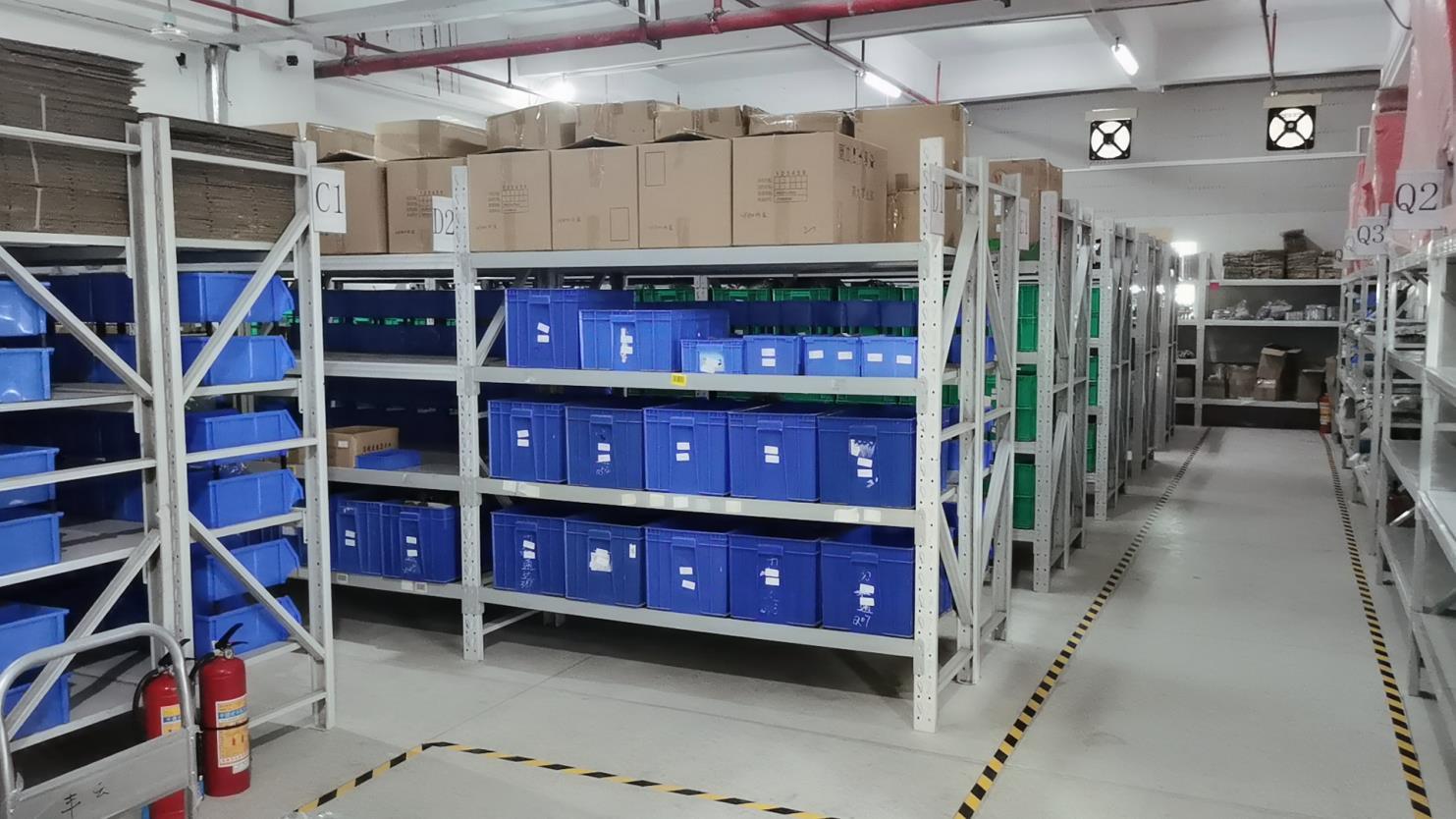
From our state-of-the-art manufacturing facility in China, we control the entire lifecycle of production—from initial R&D and rapid prototyping to strict ISO-certified quality testing and high-volume delivery. We don’t just supply hardware; we partner with OEM buyers, engineers, and supply chain managers worldwide to solve complex motion control challenges with cost-efficient, industrial-grade reliability.
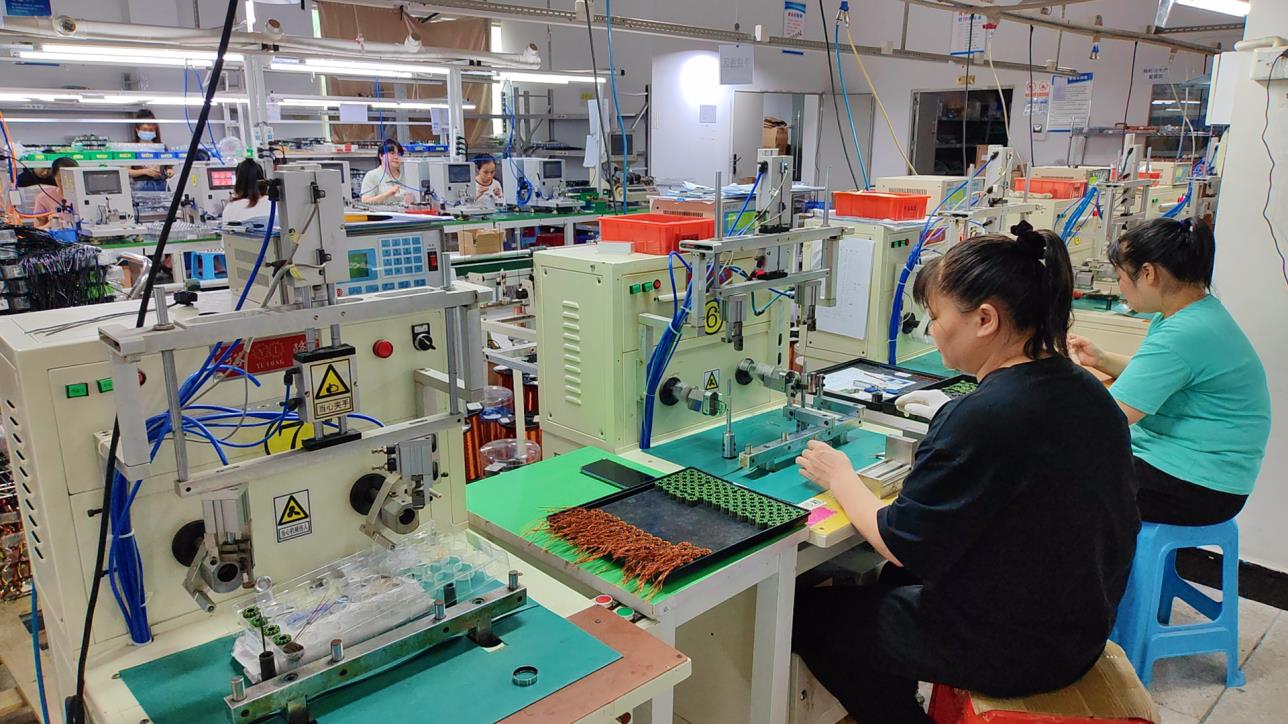
The reliability of flight stabilization actuators starts with precision manufacturing. Every stage of our assembly line is rigorously monitored to eliminate stator winding variations and unbalanced rotor stresses.
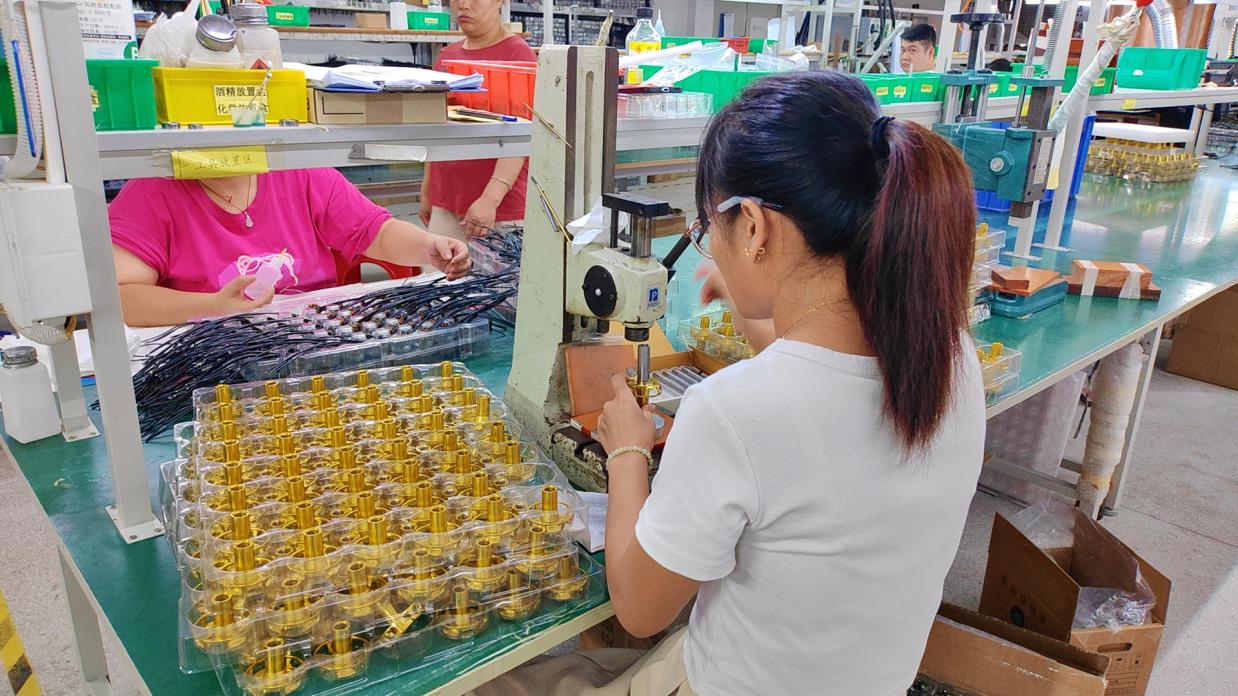
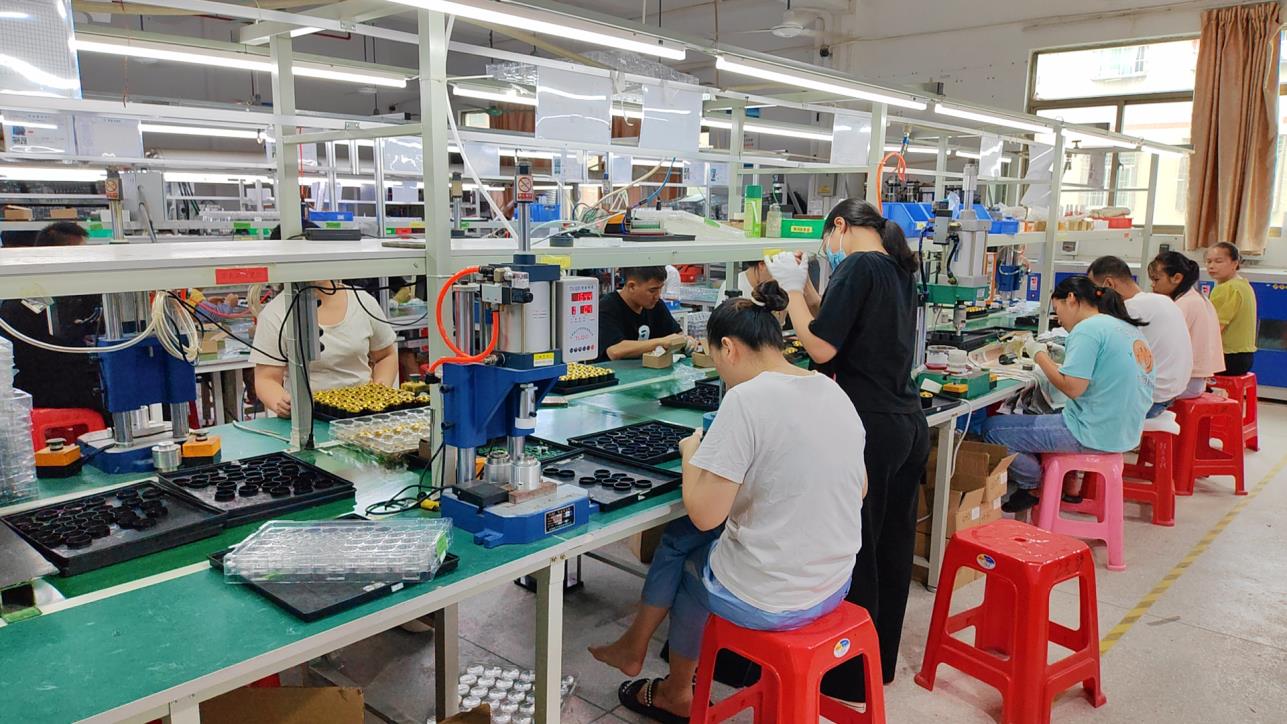
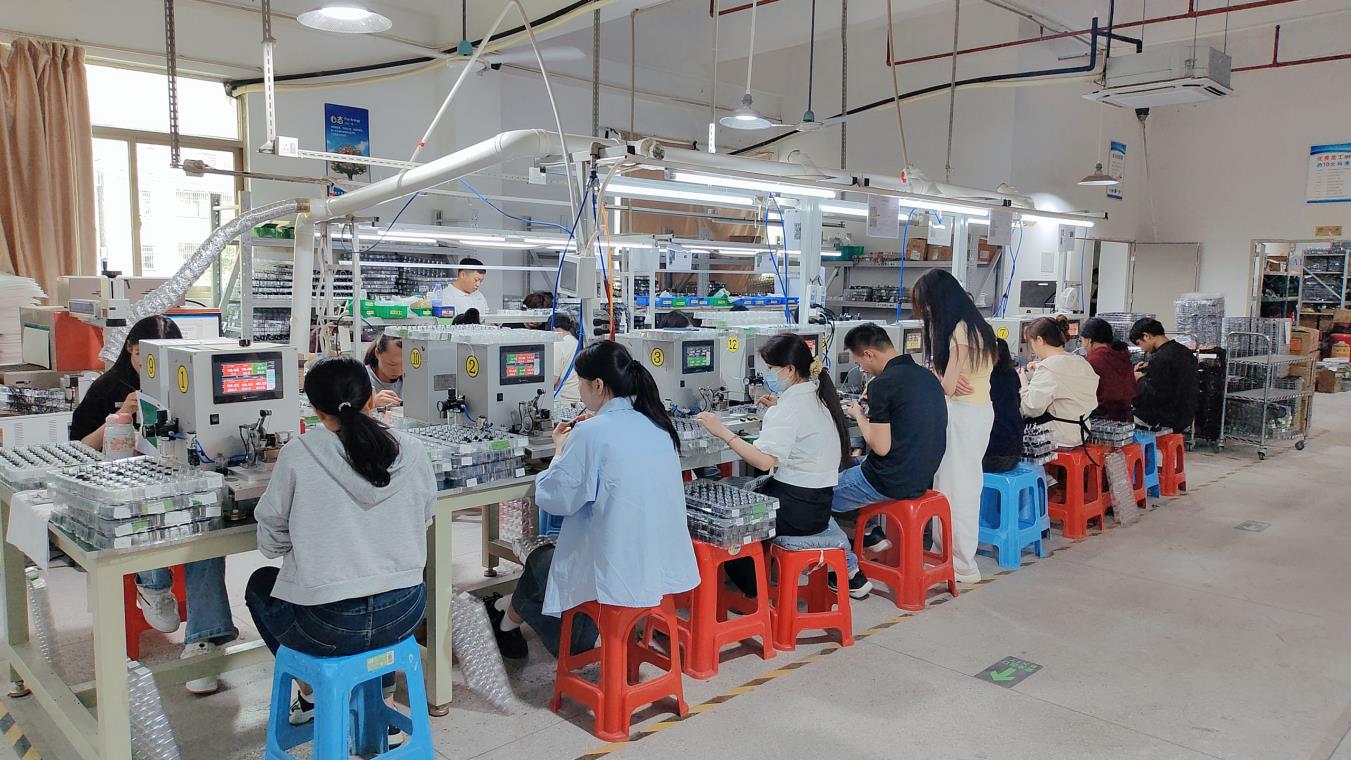
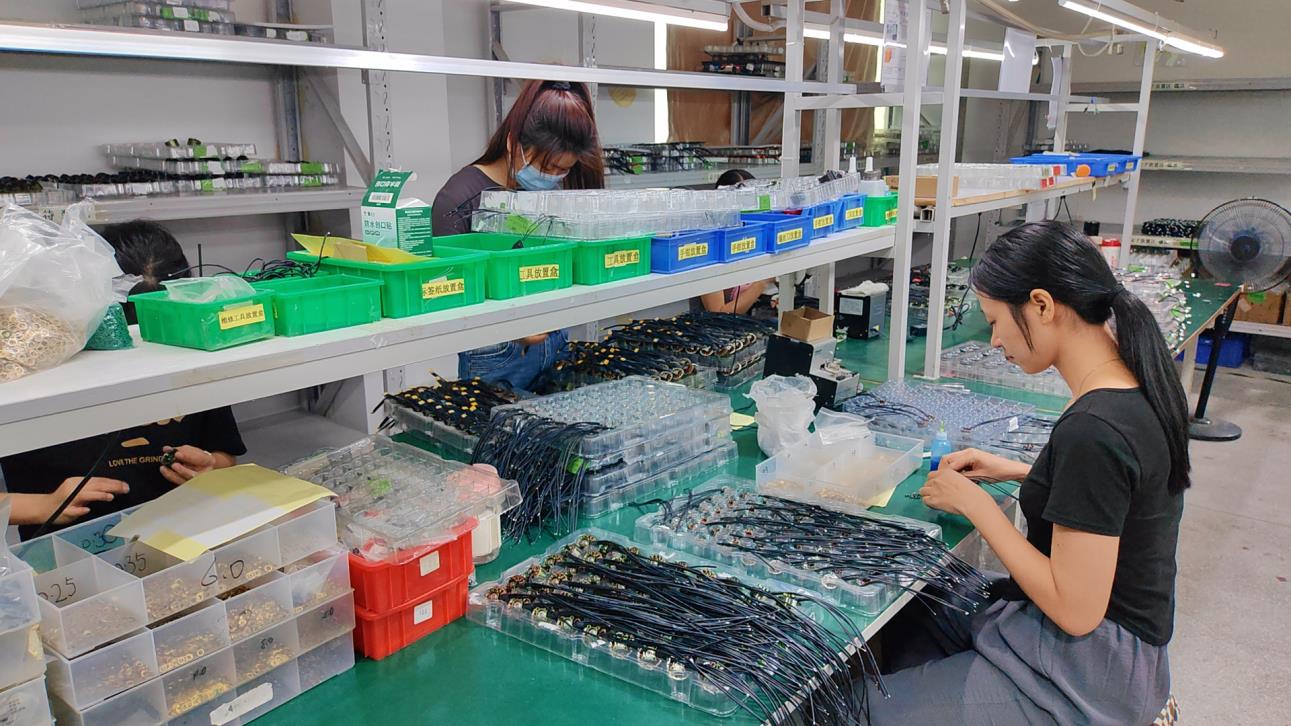
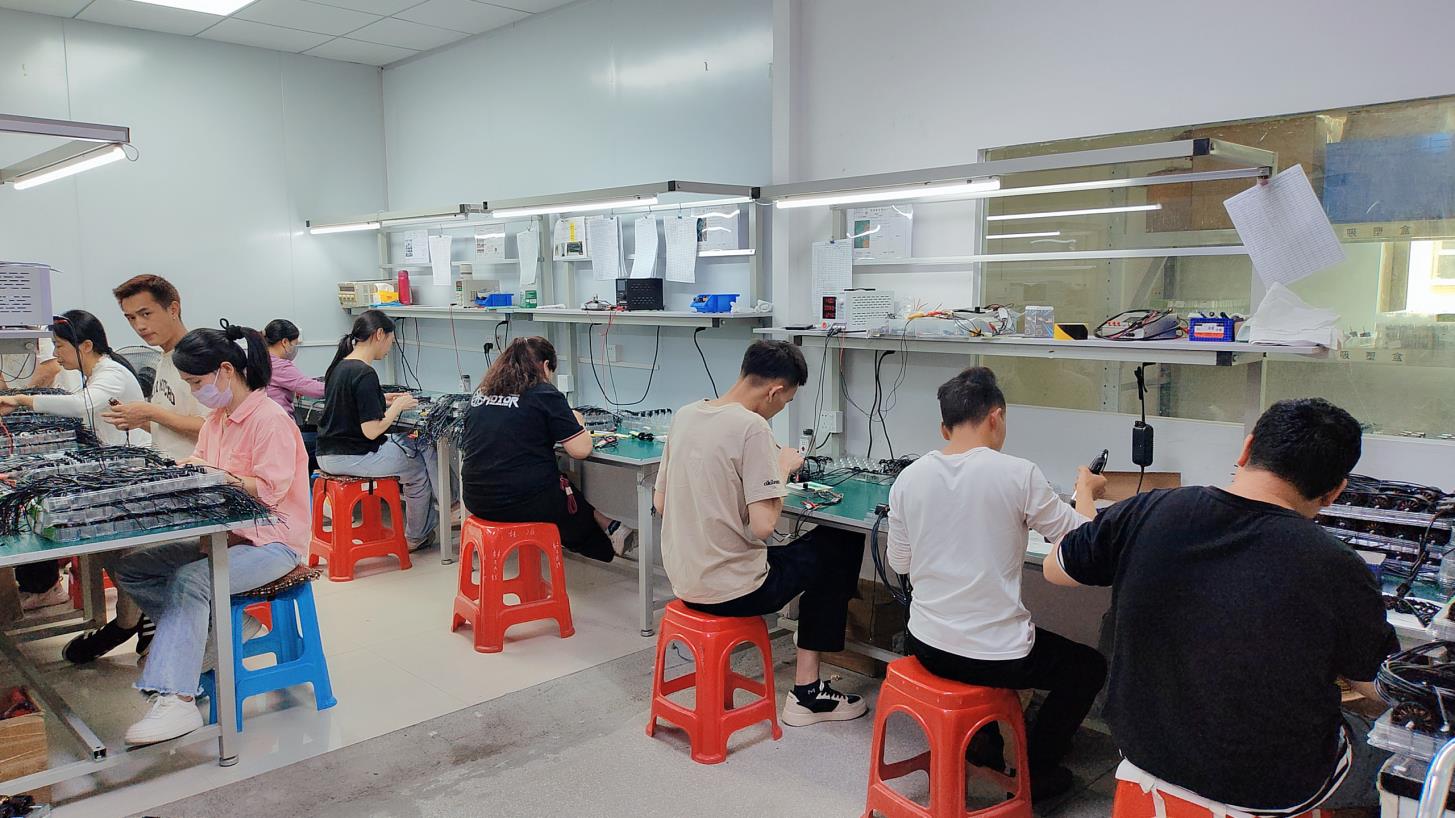
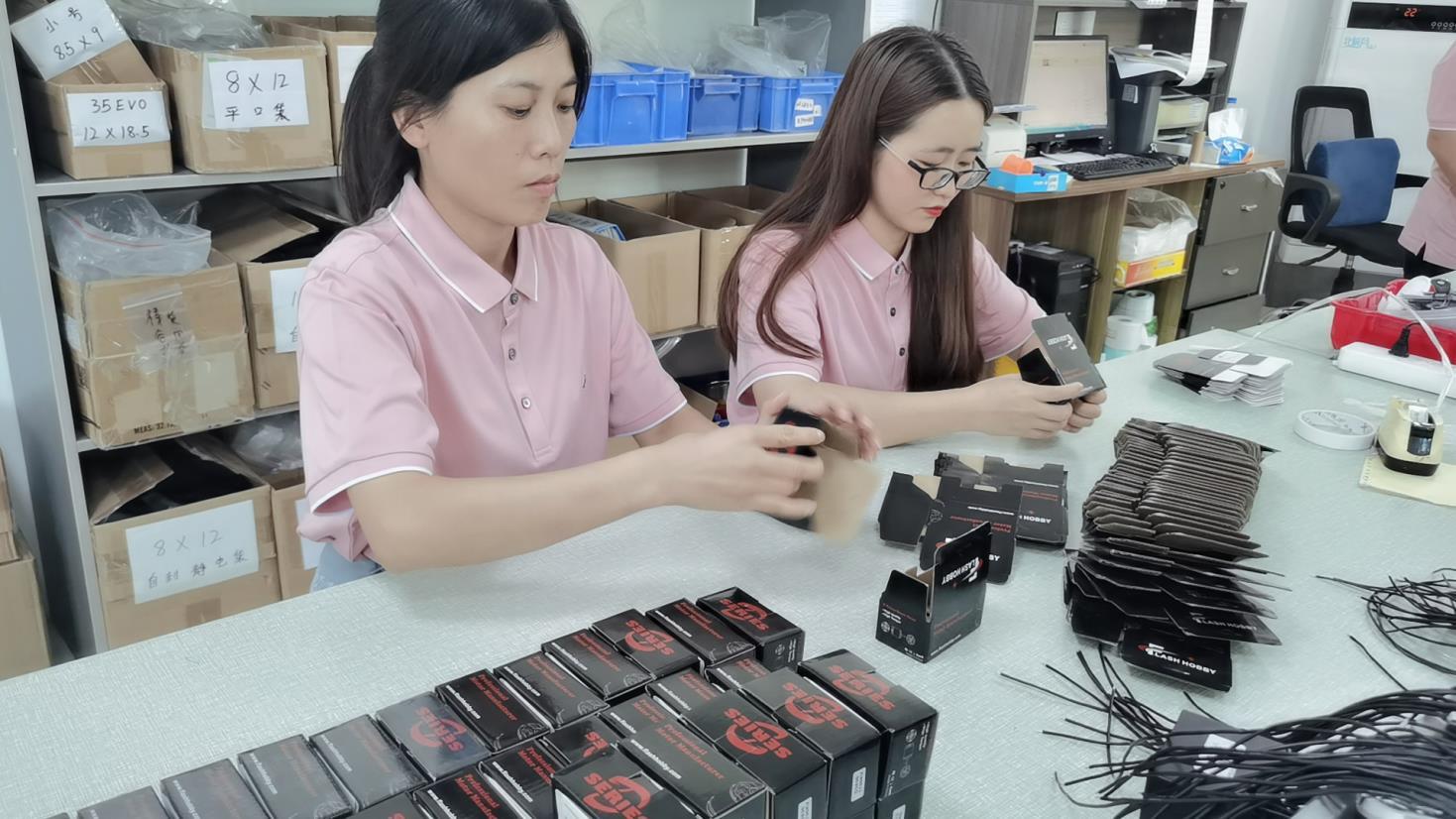
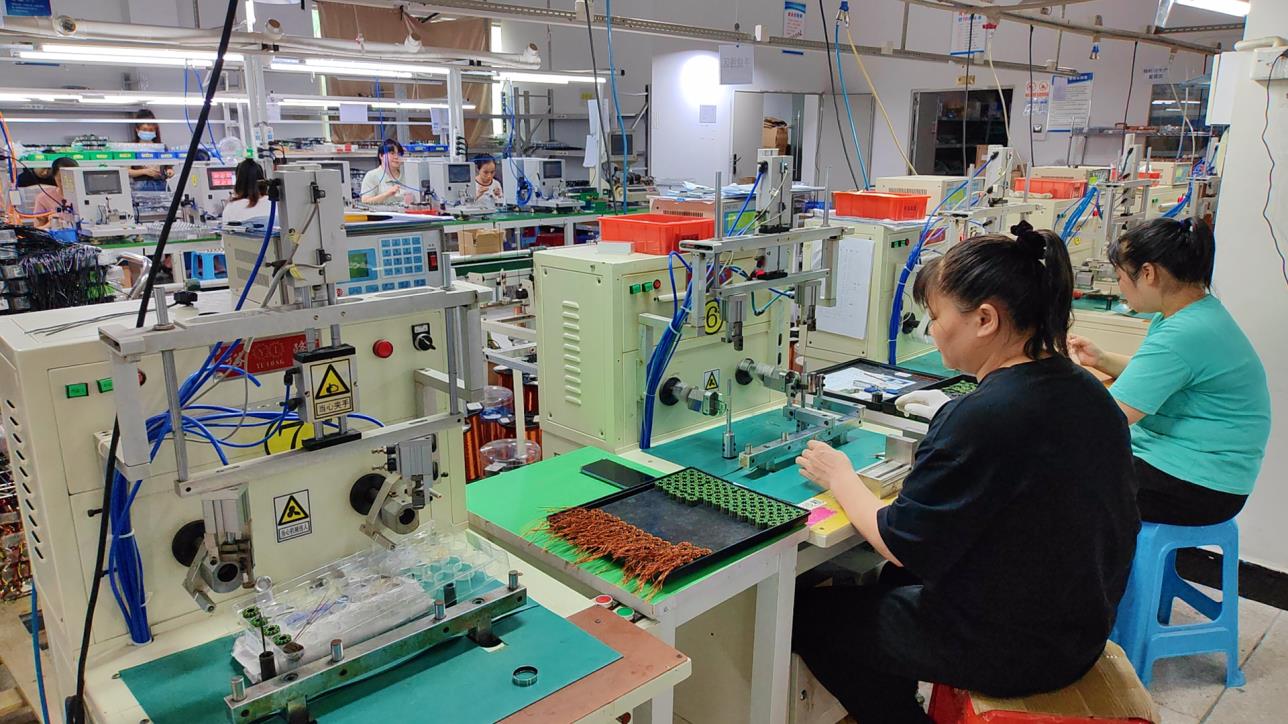
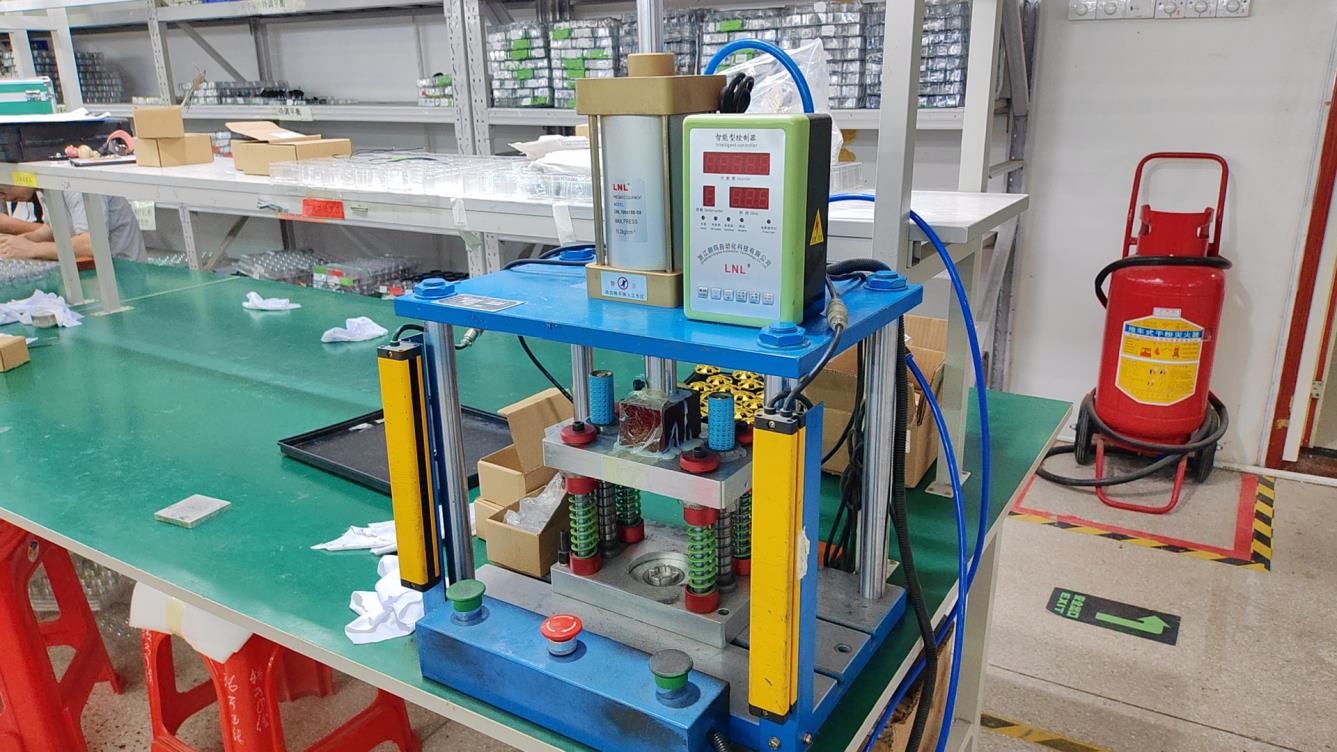
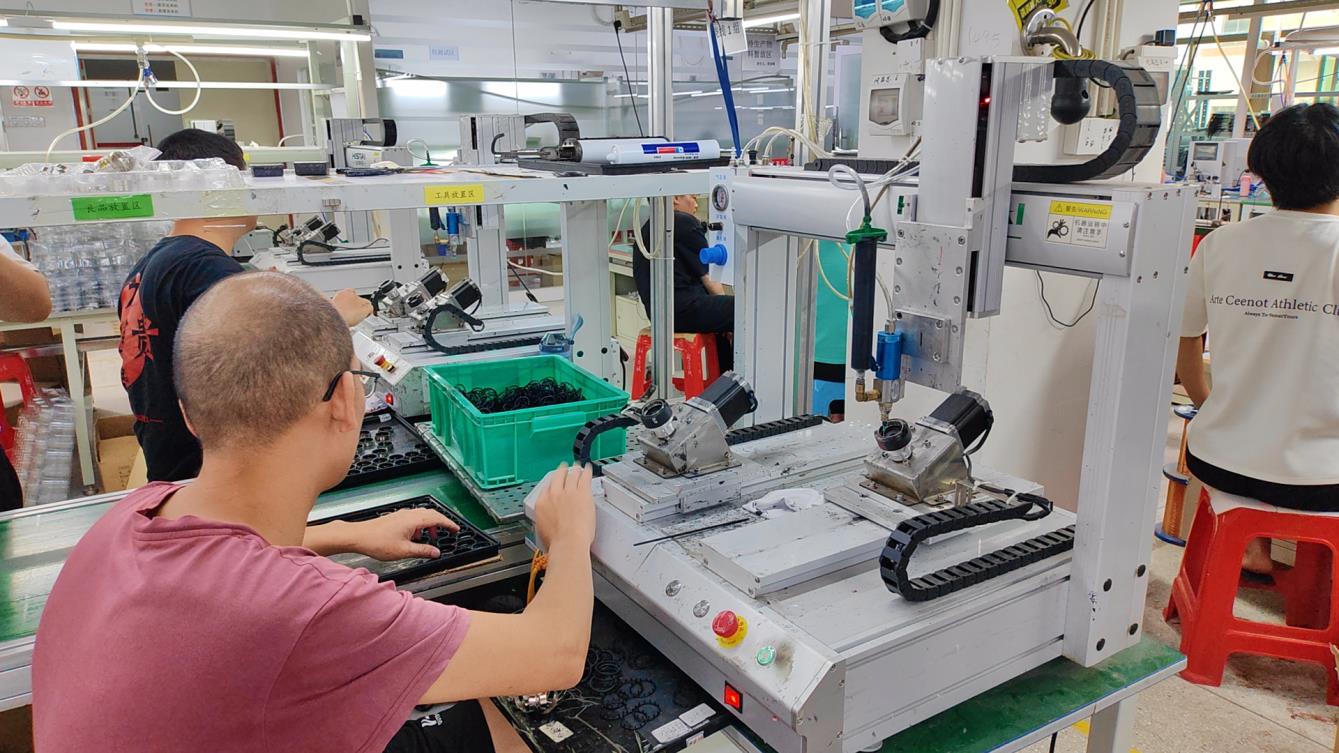
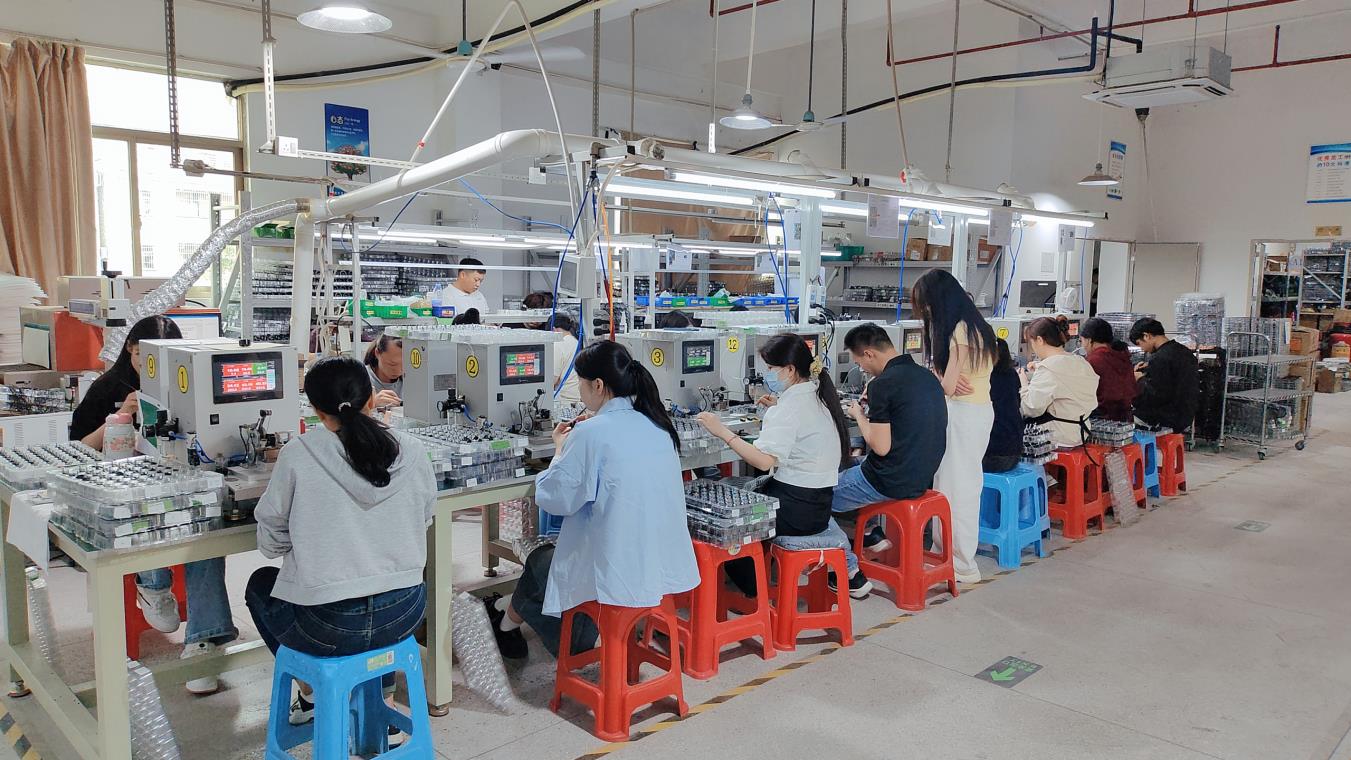
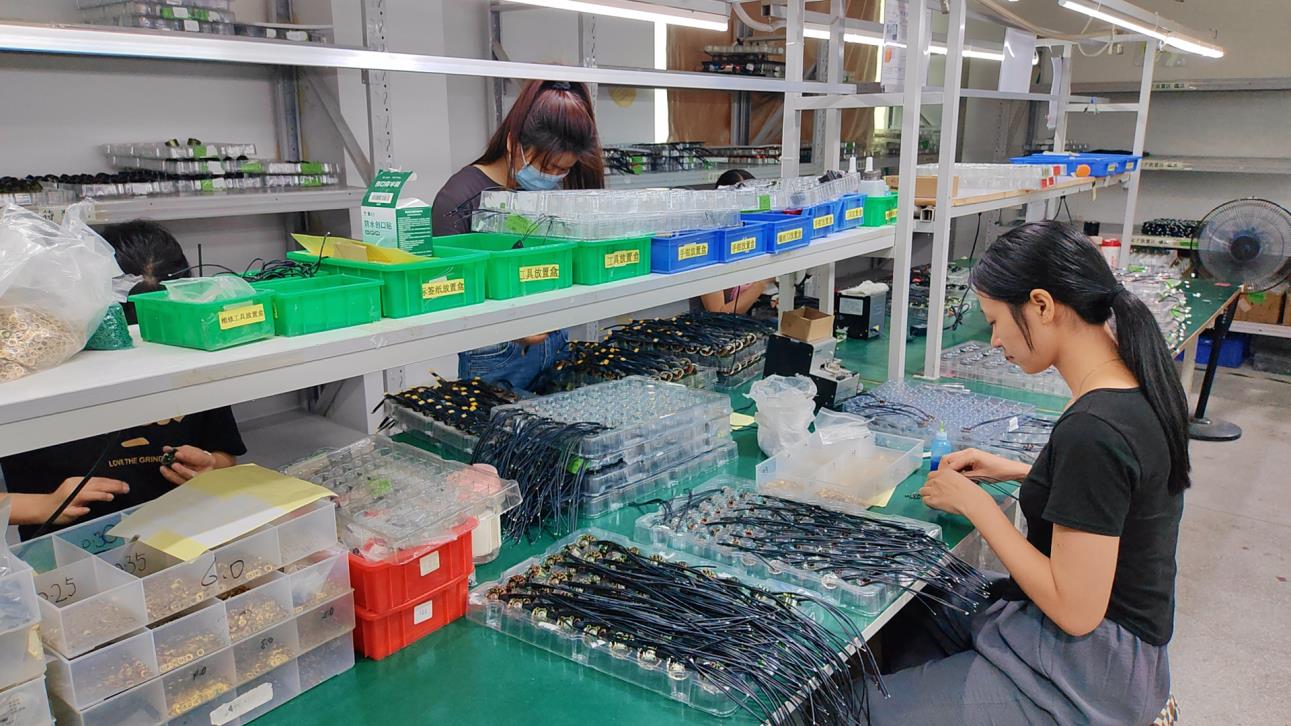
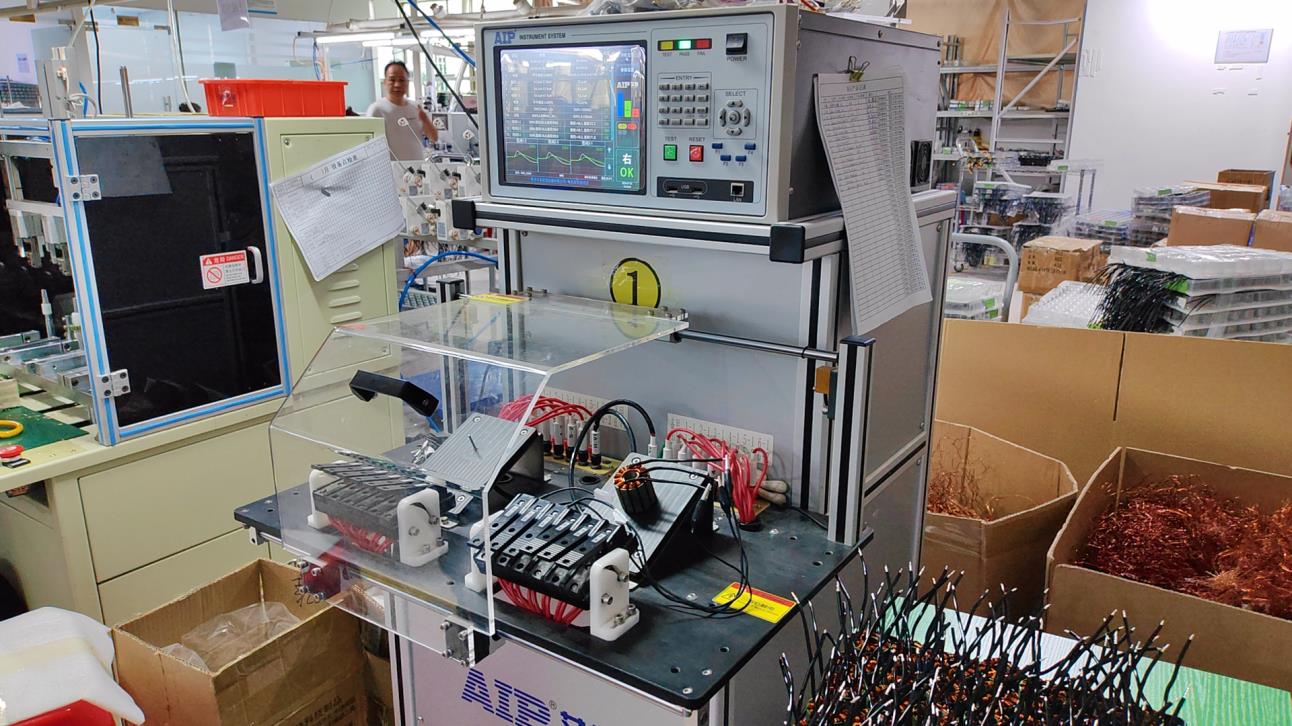
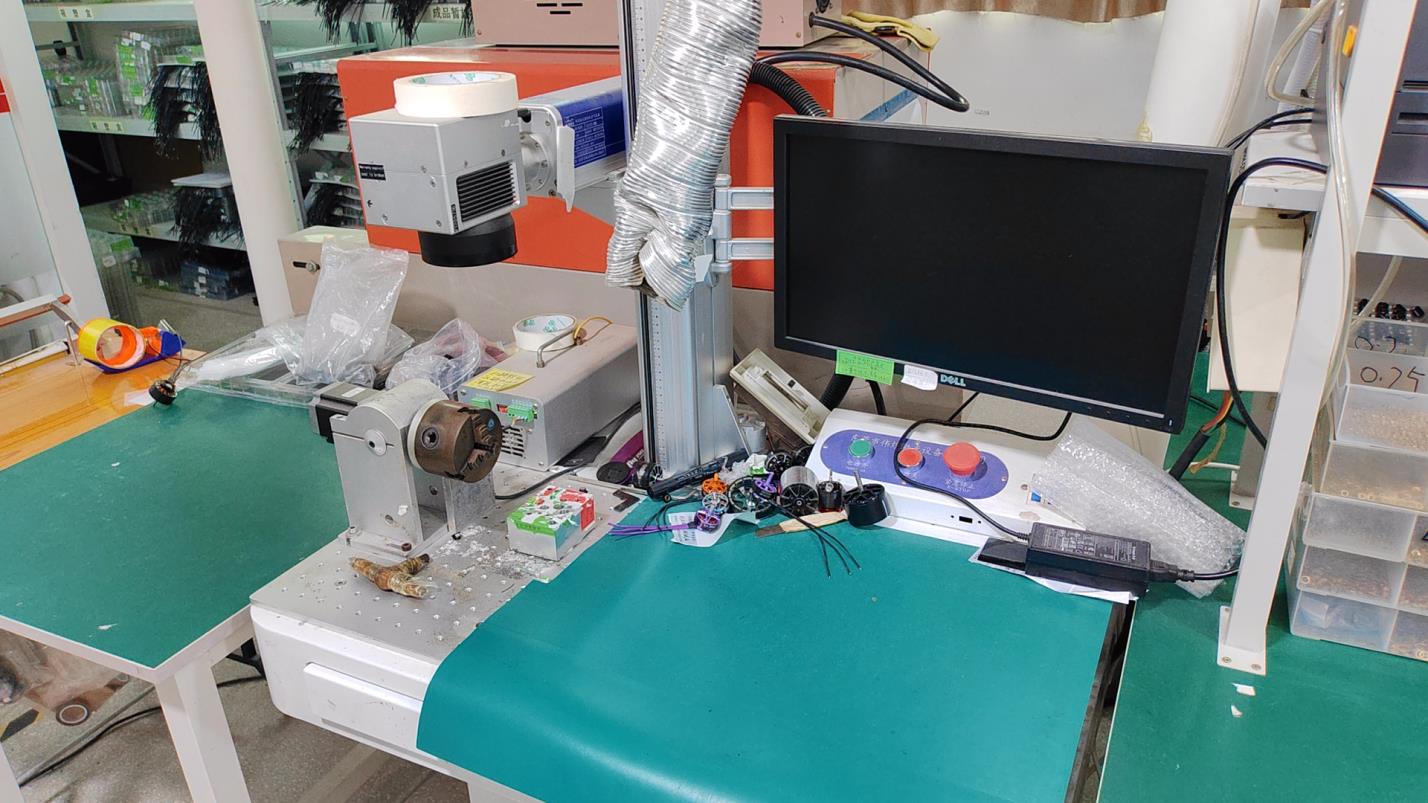
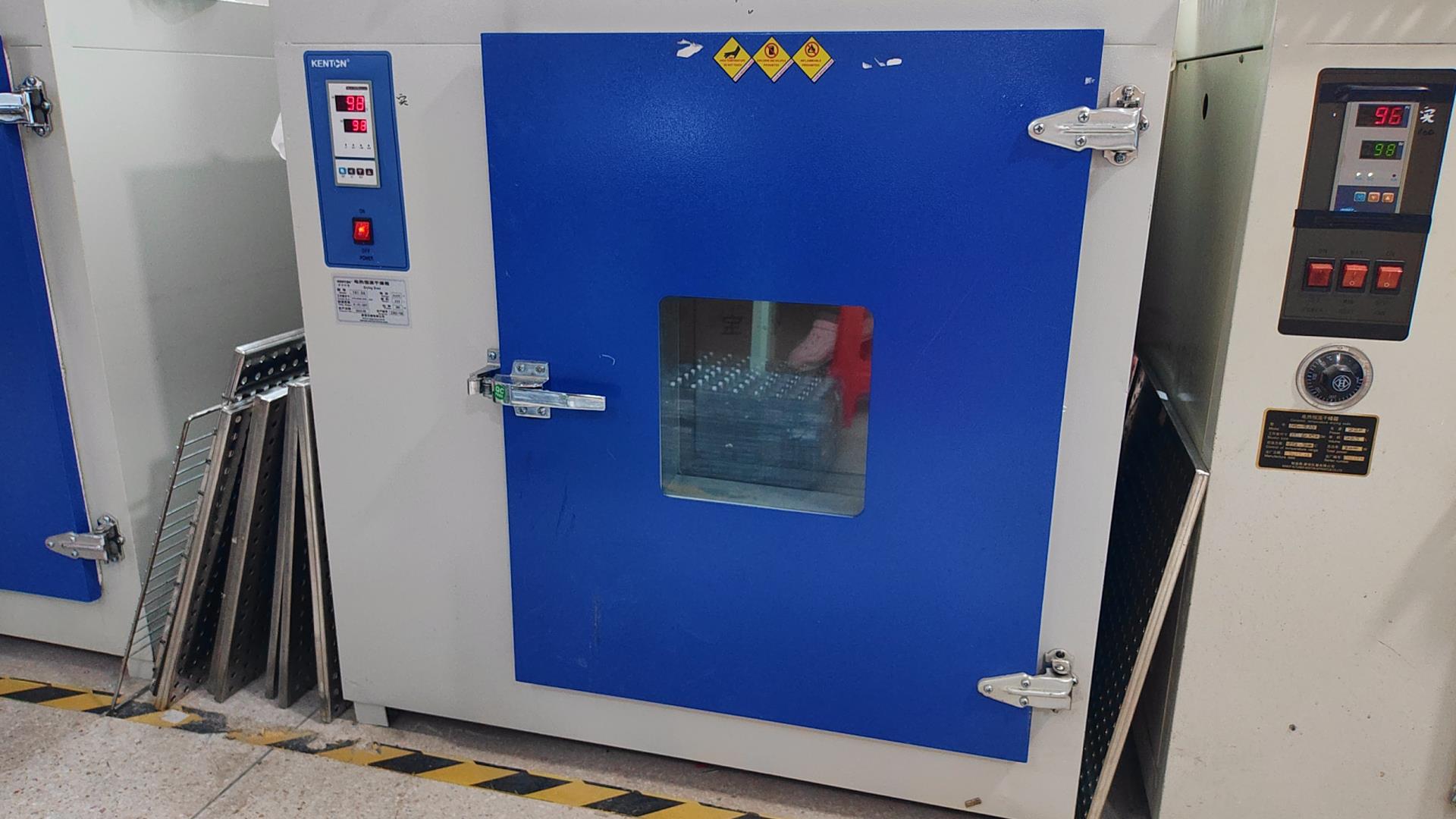
An aerial flight stability system leaves zero margin for mechanical failure. Salt fog corrosion, axis friction, or coil winding resistance degradation can trigger signal divergence in closed-loop systems. To prevent structural failure during tactical operations, our quality control lab is equipped with high-precision analytical instruments measuring every micro-metric parameter.
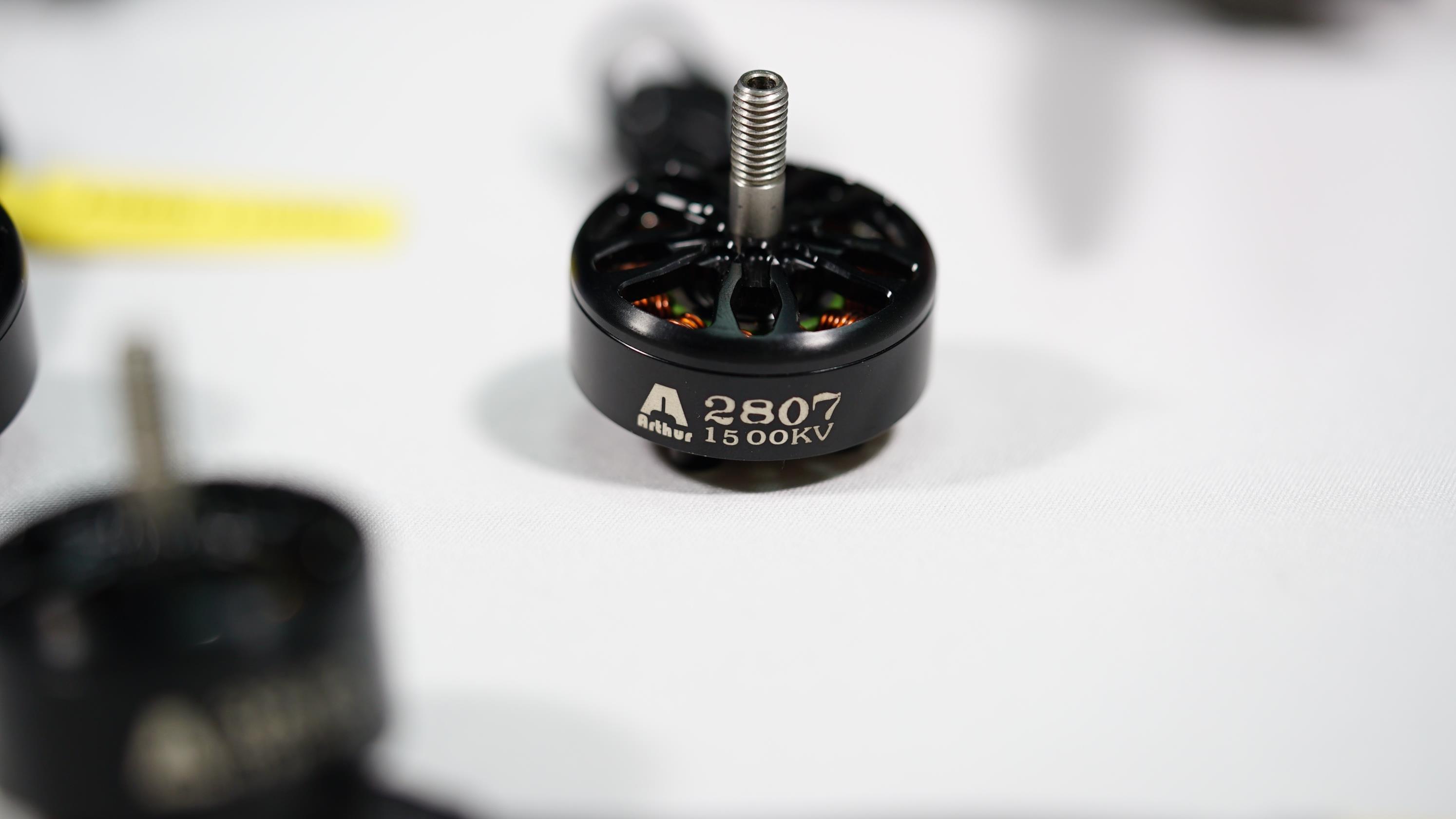
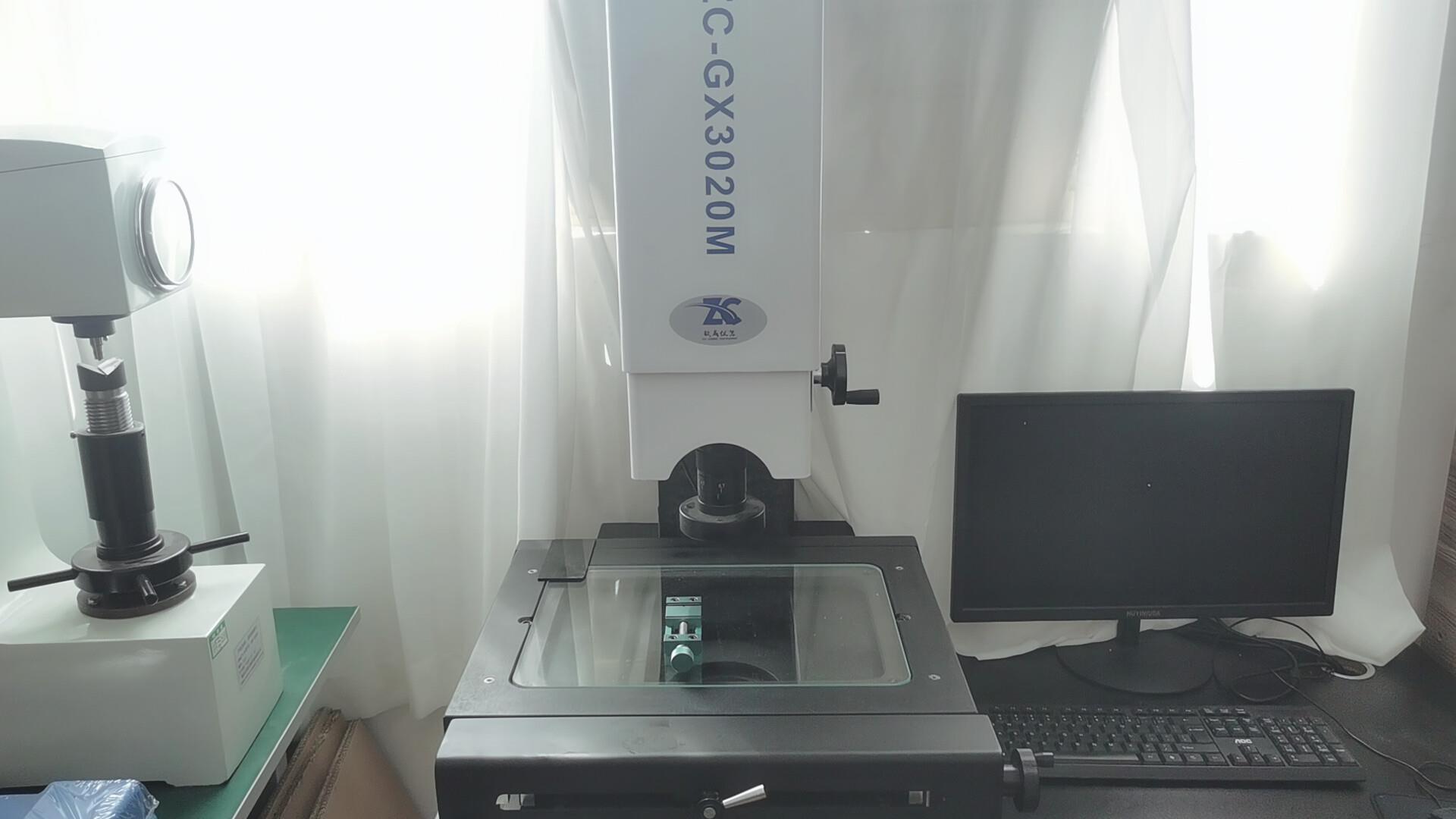
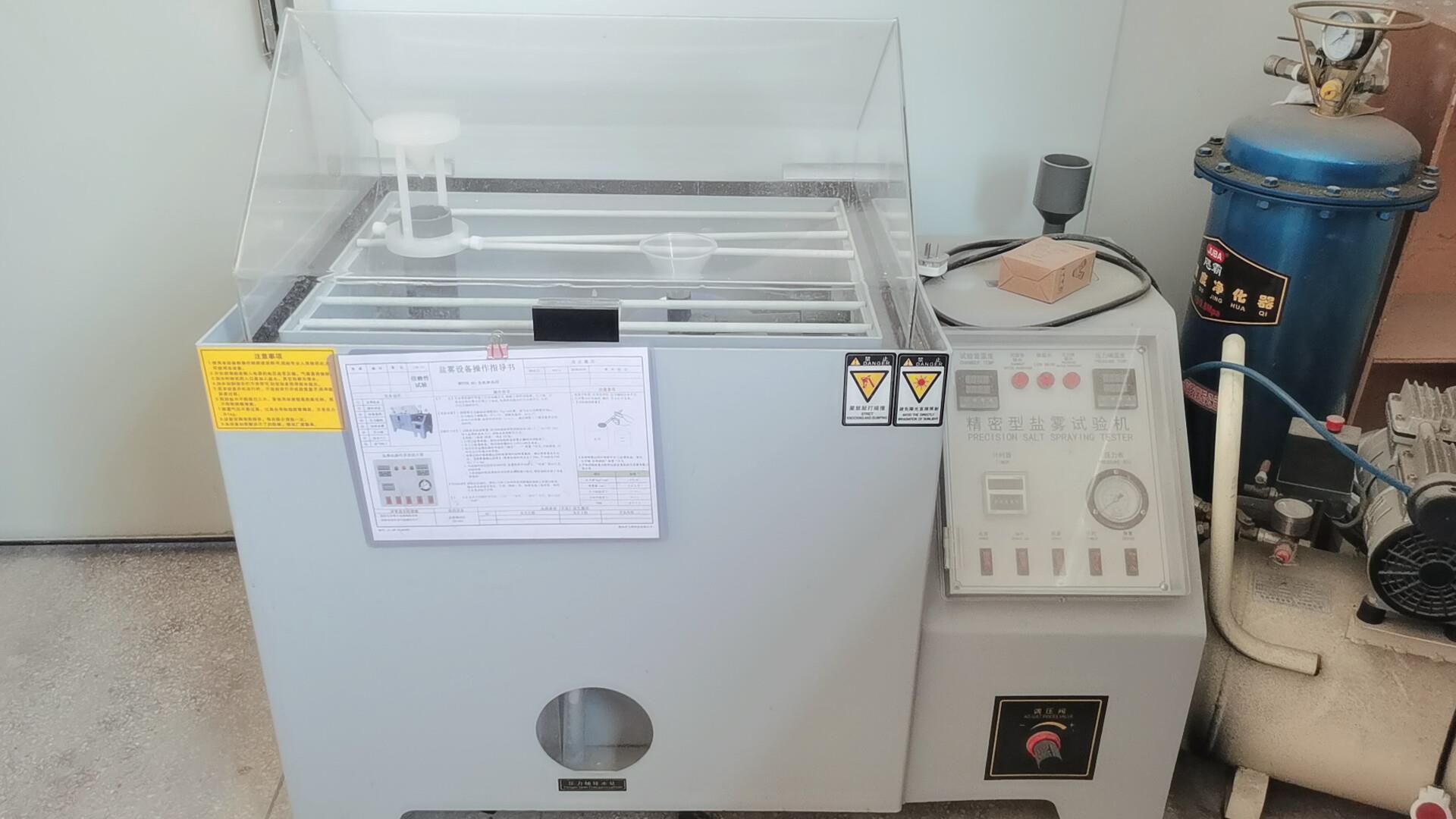
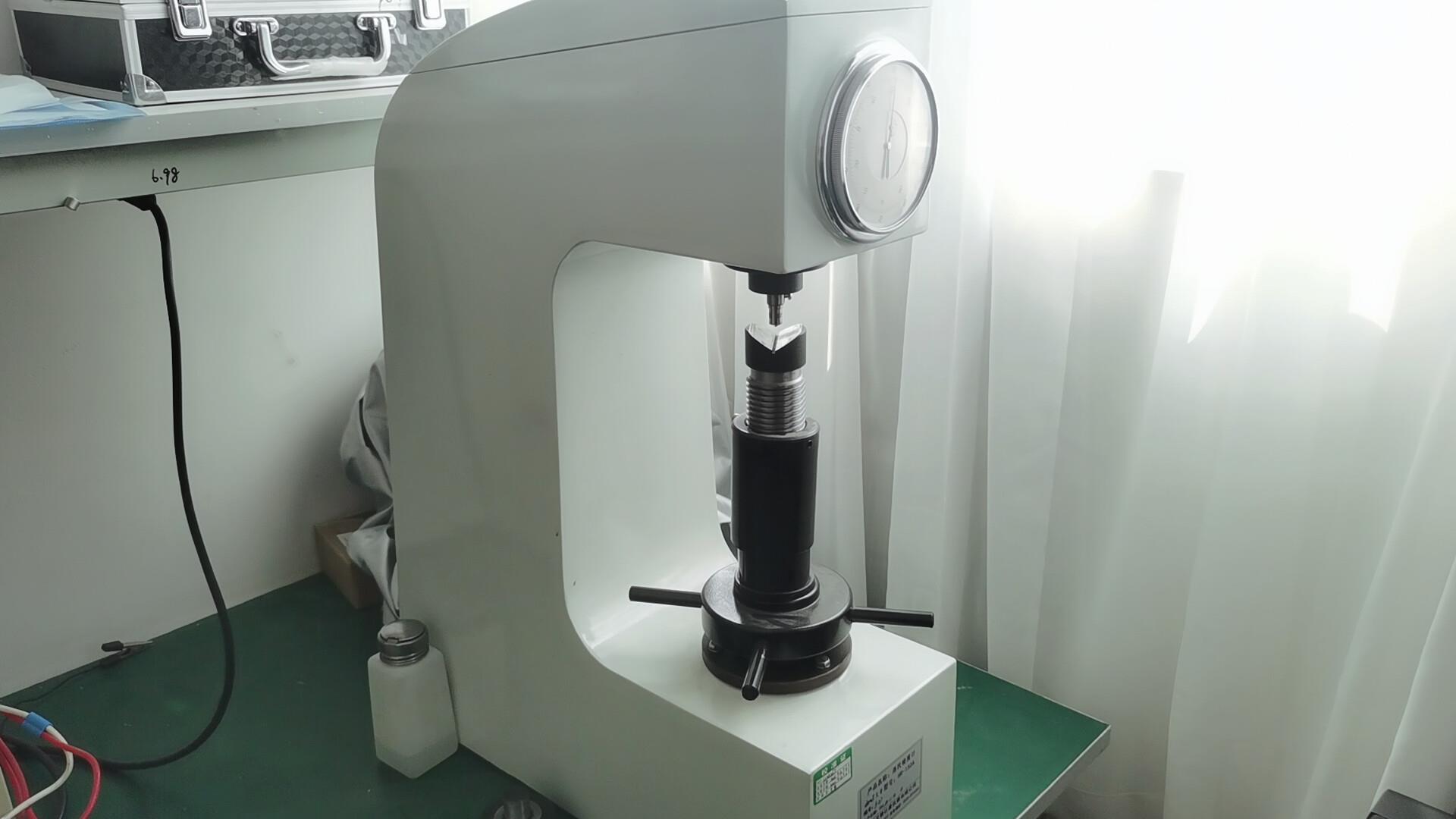
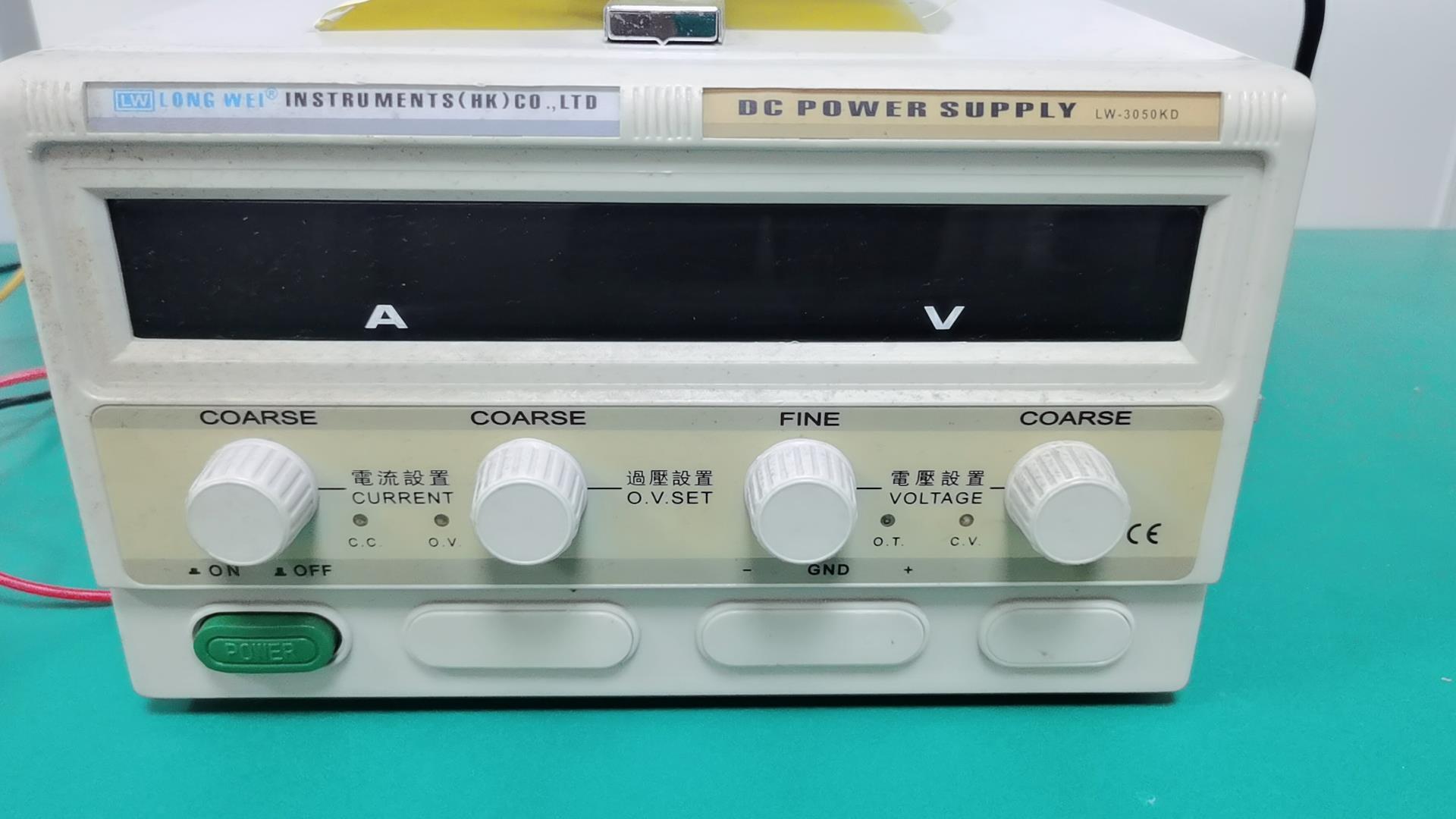
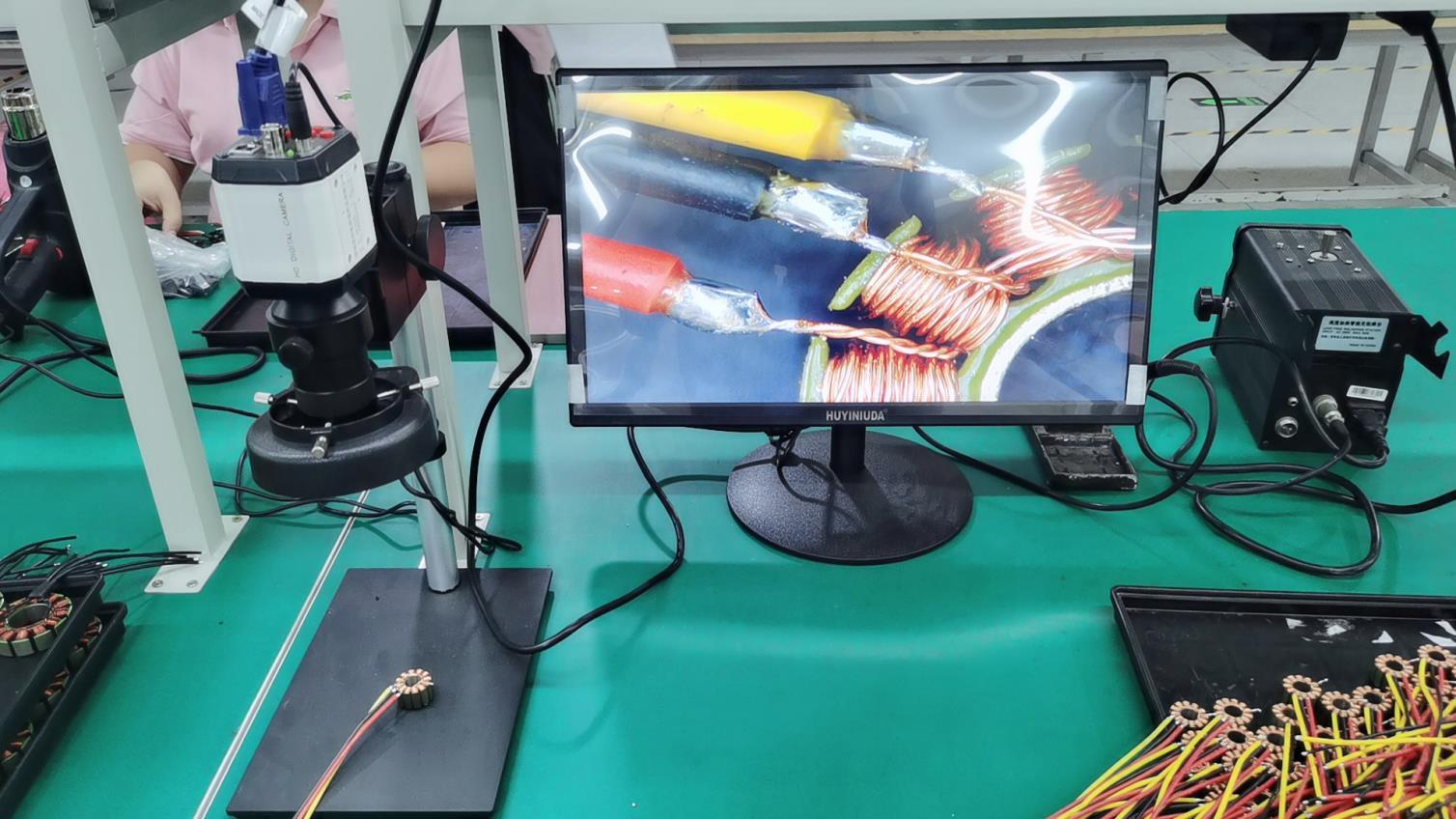
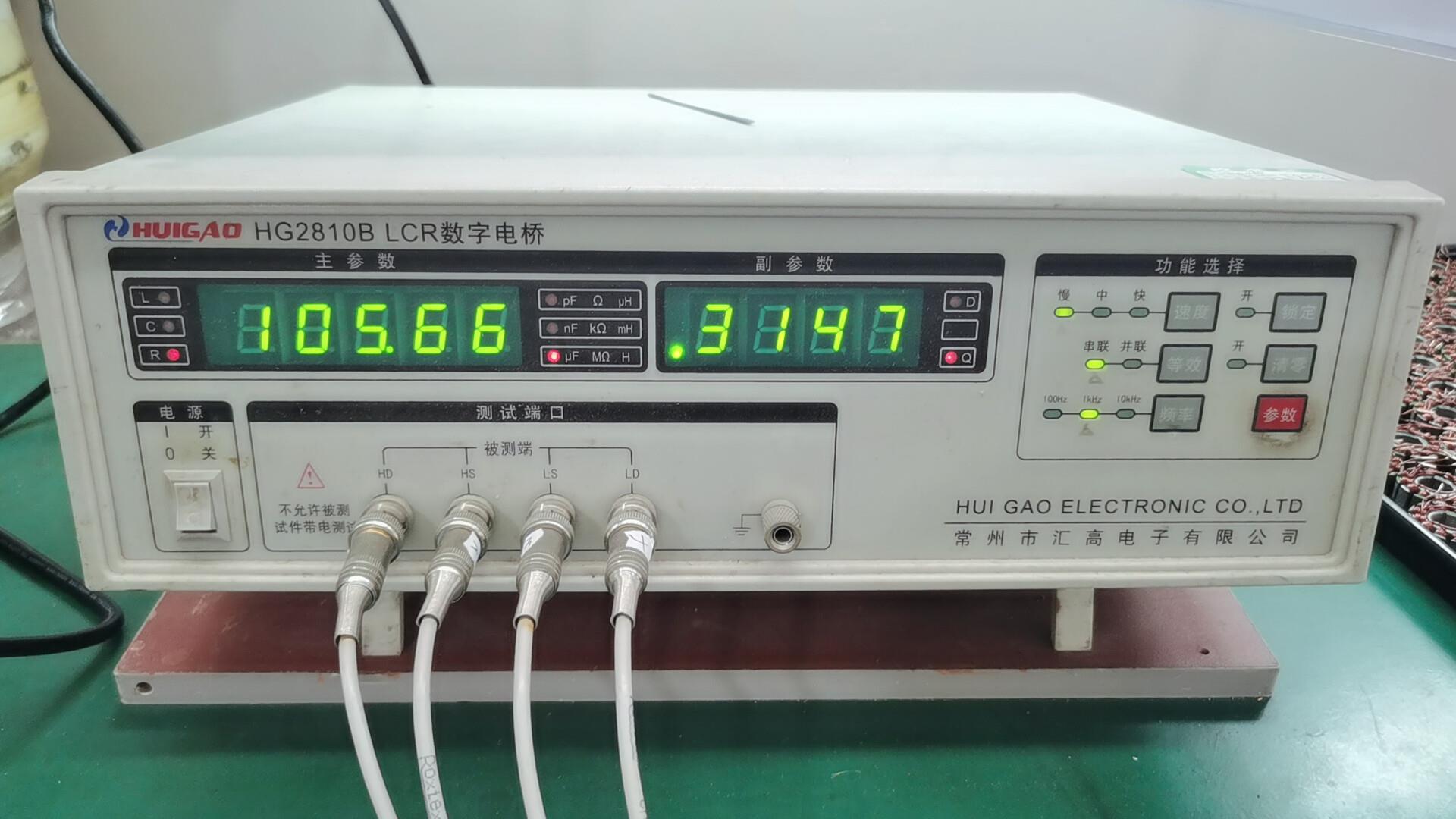
Through our 2.5 dimensional measurement project, we ensure stator housings and dynamic shafts align to micron tolerances. The salt spray testing simulates marine and coastal operation environments, guaranteeing our waterproof brushless motors (up to IP68 rating) withstand corrosive maritime air. Dynamic electrical resistance balancing is analyzed with high-precision digital bridges and direct current testers to ensure identical electrical characteristics across all phases, maximizing efficiency and minimizing heat generation during intensive flights.
Operating out of Huizhou, Guangdong, our factory sits in the epicenter of the world's most advanced aerospace, drone propulsion, and electronics component cluster. This geographical positioning translates directly to competitive advantages for global procurement departments:
Direct integration with premium Neodymium (NdFeB) magnet refiners, oxygen-free copper wire drawers, and high-performance silicon steel sheet laminations, mitigating raw material price spikes.
Our in-house CNC centers and structural engineering department allow us to deliver custom winding designs, KV adjustments, and shaft modifications to customers within 7 to 10 working days.
With multi-line automatic winding and dynamic stator mounting systems, we easily handle volume spikes from industrial clients, yielding consistent motor performance parameters.
Every single batch of motors is trace-coded. From dynamic balancing machines to integrated tester reports, quality control data is transparently archived for aerospace client audits.
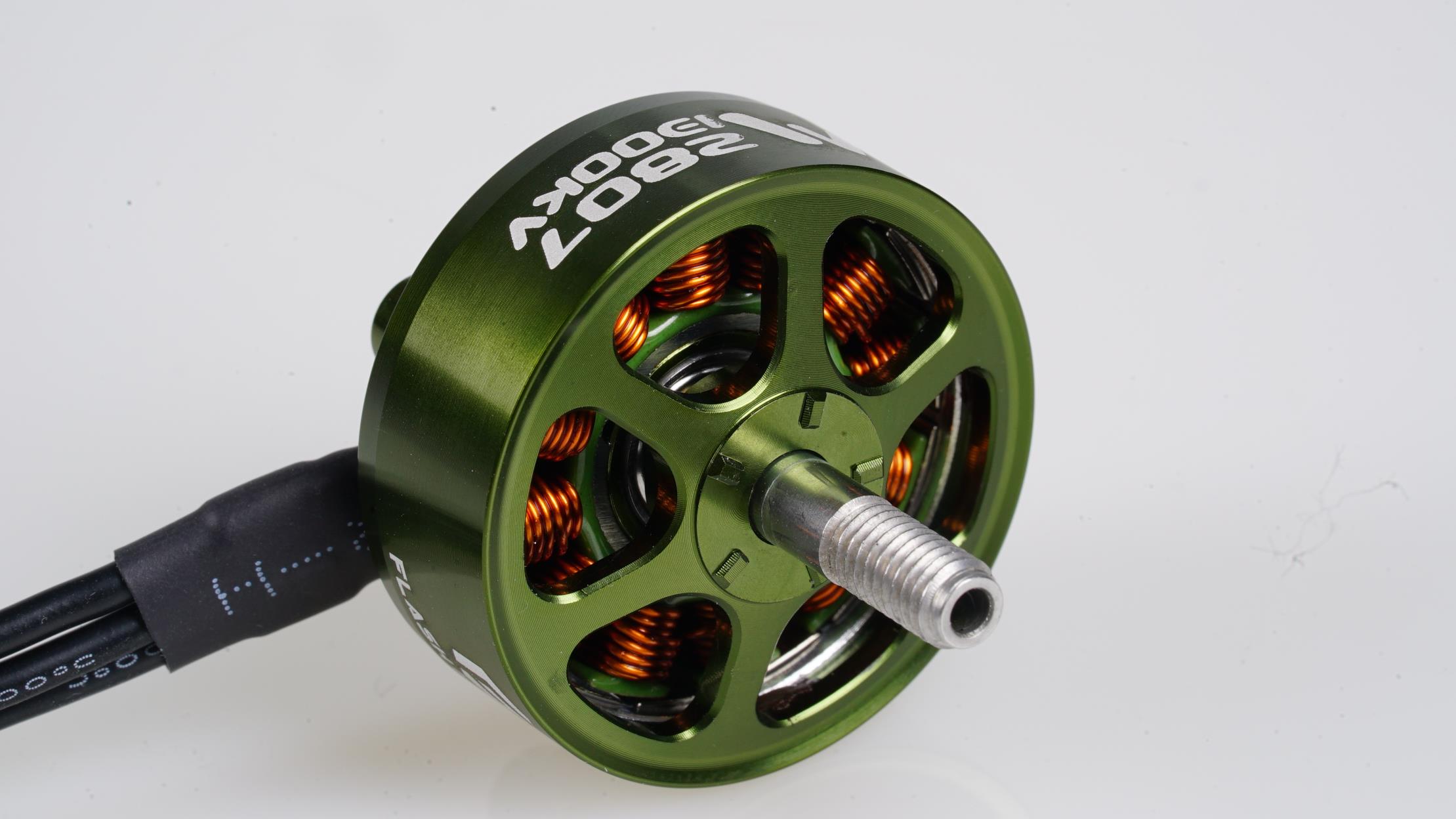
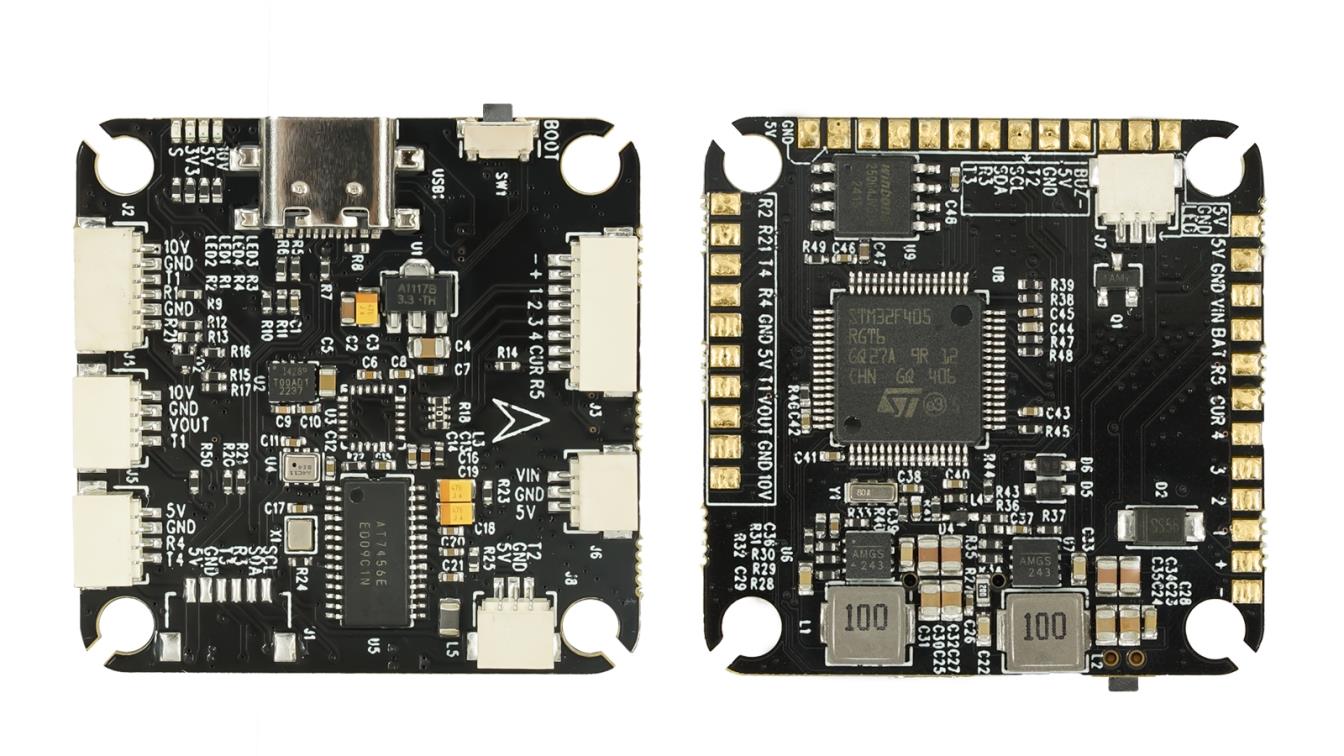
Global defense, agricultural, and industrial aerospace enterprises enforce strict screening methodologies when onboarding suppliers. Standard consumer-grade drone components do not satisfy the MTBF (Mean Time Between Failures) profiles required for high-risk autonomous operations.
Enterprise buyers typically look for three key attributes when selecting motor partners:
Yaftech works intimately with hardware developers, offering co-design phases, FEA simulation files, and structural loading curves. This guarantees integration with autopilot software systems (PX4, ArduPilot, etc.) without requiring costly layout re-engineering.
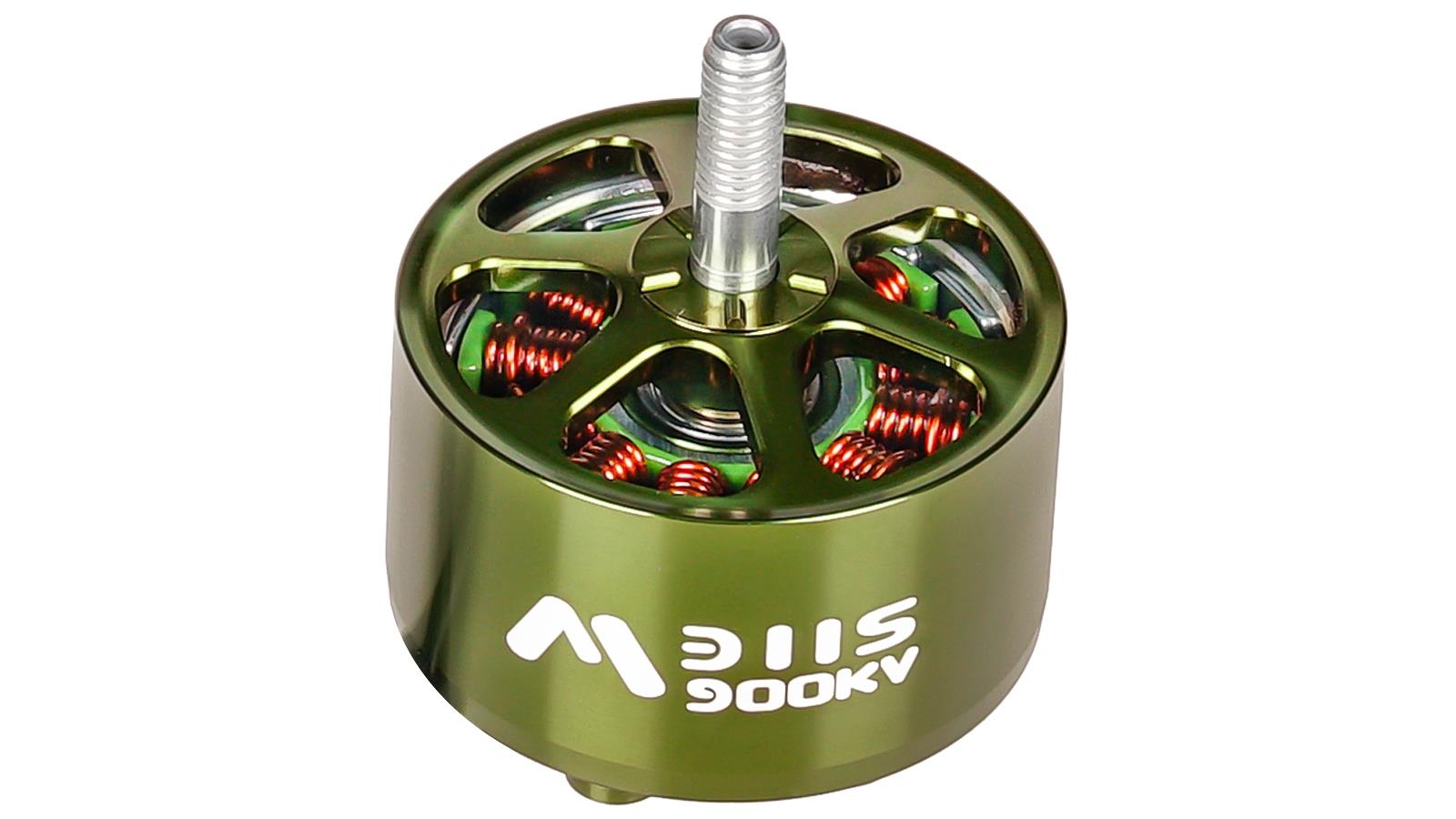
Transporting aerial hardware across borders necessitates adhering to safety, environment, and industrial certifications. Yaftech motor assemblies, controllers, and servos conform to international shipping, handling, and hazardous substance regulations:
To ease deployment barriers, we support integration cycles with Field Application Engineering (FAE) experts who advise client teams on motor-ESC torque pairings, telemetry configuration, and thermal design constraints. This eliminates communications delays and optimizes the system integration phase.
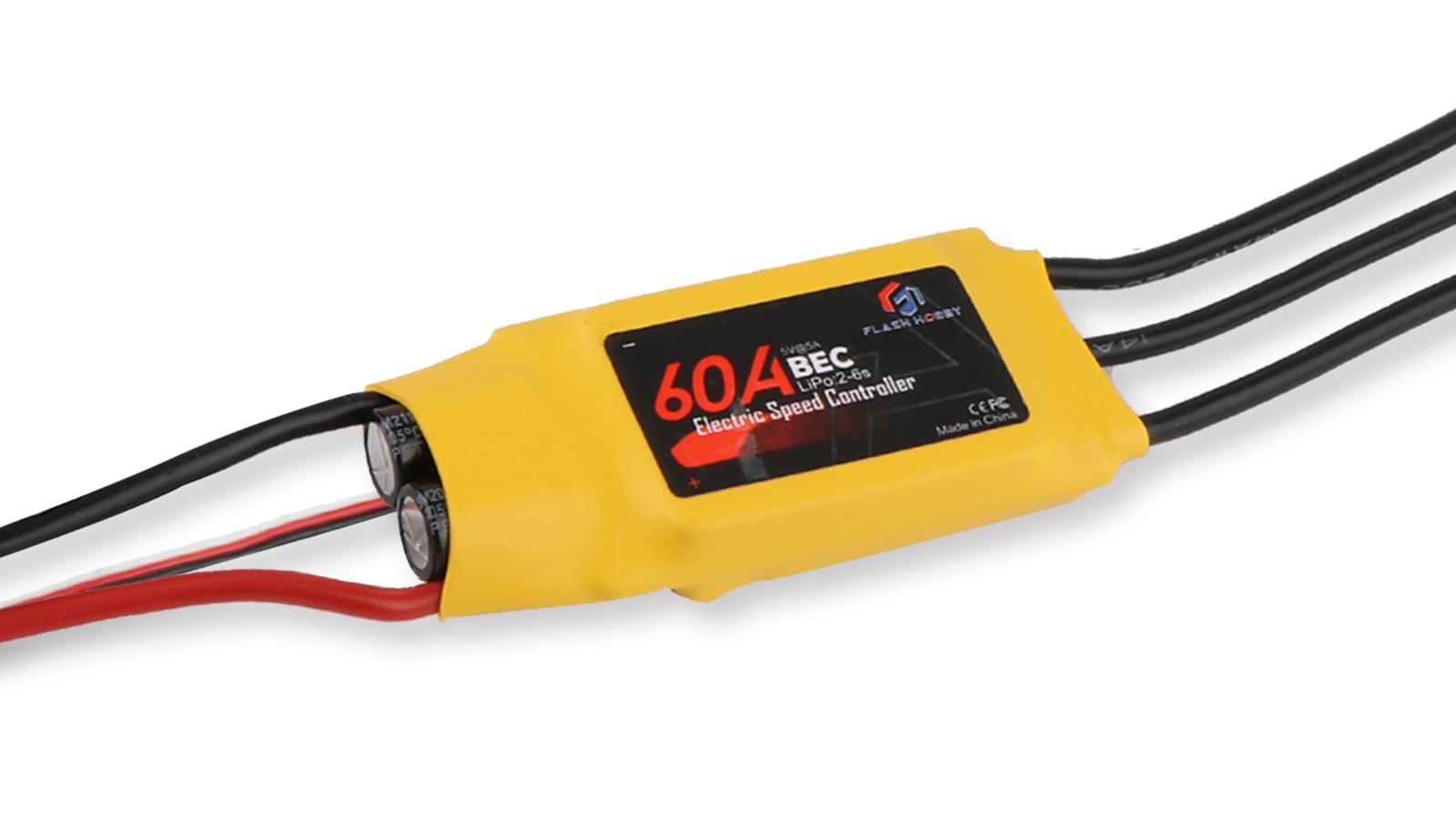
Flight stability systems do not operate in a vacuum. The motor specifications needed for agricultural flight patterns differ significantly from tactical search-and-rescue configurations.
Exposure to liquid pesticides requires motors with high-grade chemical isolation (electrophoretic coating) and IP67 ingress protection, ensuring reliable operation under low-altitude conditions.
Gimbal stabilization calls for ultra-low noise, high pole-count motors (like the BGM2606) to isolate micro-vibrations, yielding crisp cinematic and tactical aerial imaging.
Coastal and offshore environments introduce high winds and saltwater mist. Active counter-wind stabilization demands rapid ESC response times combined with salt-fog-resistant bearings.
As flight platforms transition toward higher payloads and extended range capabilities, the core technologies powering flight stability are shifting:
Modern commercial heavy-payload platforms are shifting from standard 6S systems to high-voltage configurations ranging from 12S to 24S. High-voltage setups like the H700 530KV motor reduce heat losses by lowering current draw, which improves flight times and safety margins during extended hovering states.
Autopilots are becoming increasingly adaptive. Integrated ESC stacks now transmit real-time telemetry (including temperature, RPM, current draw, and ripple voltage) back to flight controllers, allowing predictive adjustments to prevent system failures in flight.
Common engineering questions addressed by our technical staff to support your design decisions.
High-torque brushless outrunners, digital actuators, and waterproof motors designed to operate reliably under high load and adverse conditions.
 Yaftech Motor