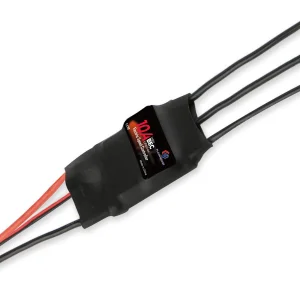
Precision-engineered flight controllers, ESC stacks, waterproof brushless motors, and high-torque intelligent servos optimized for OEM integration.
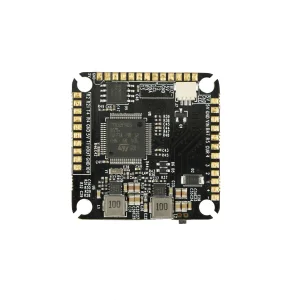
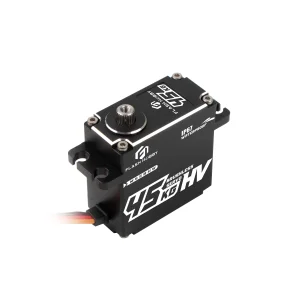

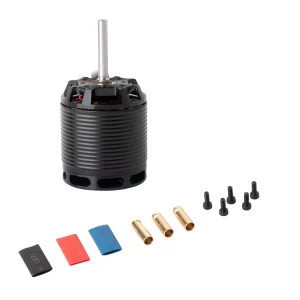


The global transition toward electrified mobility, utility-scale Battery Energy Storage Systems (BESS), robotics, and high-density unmanned aerial vehicles (UAVs) has elevated the Battery Management System (BMS) from a passive protection circuit to an intelligent command core. In modern high-voltage electrochemical storage systems, the BMS governs operational safety, thermal equilibrium, dynamic capacity maximization, and lifetime State of Health (SoH) trajectory.
According to modern energy storage research, the global Battery Management System market is projected to expand at a compound annual growth rate (CAGR) exceeding 18.5%, driven by stringent regulatory frameworks such as UN 38.3, UL 1973, IEC 62619, and automotive ISO 26262 ASIL-D standards. As tier-1 OEMs transition from passive cell balancing to AI-driven predictive active balancing topologies, select manufacturers have distinguished themselves through vertical integration, semiconductor availability, and custom firmware algorithm capabilities.
Evaluating a Battery Management System supplier requires scrutinizing hardware architecture (AFE chipsets, isolation transformers, current sensing precision), software capabilities (Extended Kalman Filter State of Charge calculation, active balancing algorithms), and supply chain scale. Below is an exhaustive breakdown of the leading global manufacturers and exporters dominating the OEM industrial market.
| Manufacturer | Primary Market Focus | Topological Architecture | Key Protocols | Certifications |
|---|---|---|---|---|
| 1. Huizhou Yaftech Motor & Motion Electronics | Industrial Automation, Robotics, Custom BESS, UAV Systems | Integrated Smart Modular / High-Current Active Balancing | CANbus 2.0B, Modbus RTU, Bluetooth Mesh | ISO9001, CE, RoHS, UN38.3 |
| 2. CATL Electrical Systems Division | Utility-Scale BESS, Electric Passenger Vehicles | Distributed Master-Slave High Voltage Grid | CANopen, Automotive Ethernet | ISO 26262 ASIL-D, UL 9540A |
| 3. BYD Electronics Component Group | Commercial Fleets, Blade Battery Systems, Telecom Power | Centralized & Modular High-Density Stack | CAN 2.0B, RS485 | UL 1973, IEC 62619, CE |
| 4. EATON Energy Management Systems | UPS Data Centers, Industrial Energy Storage | Redundant Modular Controller Array | Modbus TCP, SNMP, CAN | UL 1973, IEC 61000 |
| 5. Sensata Technologies | Heavy Transportation, Material Handling, AGVs | Solid-State Isolation High Voltage BMS | J1939 CAN, ISOBUS | ISO 26262, IP67 Sealed |
| 6. Emsol Intelligent Electronics | Electric Two/Three Wheelers, Portable Power Stations | Low-Voltage High-Current Centralized Board | UART, RS232, Bluetooth 5.0 | CE, FCC, UN 38.3 |
| 7. LG Energy Solution Hardware Division | Automotive Powertrains, Grid-Tied Storage Units | Wireless BMS (wBMS) & Optical Isolation Stack | Wireless Mesh, Automotive Ethernet | ISO 26262 ASIL-D |
| 8. Texas Instruments OEM Reference Manufacturing | Precision Silicon Sub-assembly, Custom OEM Integration | AFE Stacked Topology with Integrated Gauge | SPI, I2C, Iso-SPI | AEC-Q100 Industrial Class |
| 9. Panasonic Eco Systems | Robotics, Medical Equipment, Aerospace Backup | Multi-Cell High Precision Sensing Modules | SMBus, PMBus, CAN | IEC 62133, UL 60730 |
| 10. BMS PowerSafe (Exide Technologies) | Defense, Maritime Propulsion, Heavy Mining Equipment | Ruggedized Dual-Redundant Master/Slave Architecture | CAN-J1939, NMEA 2000 | Mil-Std-810G, DNV GL Marine |
Legacy BMS exporters predominantly utilized passive balancing, bleeding off excess voltage via resistive heat dissipation. Modern industrial requirements mandate dynamic Active Balancing. By transferring energy from higher-voltage cells to lower-voltage cells via inductive or capacitive DC-DC converters, active BMS solutions improve total system capacity utilization by up to 12% and substantially lower system thermal degradation.
Leading BMS exporters are integrating IoT communication modules (4G-LTE / NB-IoT) that continuously transmit electrochemical impedance spectroscopy (EIS) data to cloud analytics engines. By running real-time Digital Twin models against physical battery packs, engineers can predict thermal runaway events hours before critical threshold breach and optimize charge profile curves dynamic to ambient ambient temperatures.
Designing robust high-voltage or high-current battery systems demands selecting the correct architectural topology based on system modularity, total voltage stack (12V to 1500V DC), and operational noise environments.
All cell-monitoring wires connect directly to a single control assembly. High cost-efficiency for lower voltage packs (12V to 48V, up to 16S configuration), ideal for compact drones, power tools, light e-mobility, and small robotic assemblies.
Multiple Slave Boards (Cell Monitoring Units - CMUs) monitor localized cell clusters and communicate via isolated SPI or CANbus to a Master Controller (BCU). Standard design for high-voltage energy storage systems (BESS) and electric vehicles.
Eliminates complex wiring harnesses by attaching localized node electronics directly to battery cell modules. Communication occurs over secure, ultra-low latency 2.4GHz wireless mesh network protocols, dramatically reducing weight and failure points.
Engineering Motion, Powering Growth: Inside Our China DC Motor Factory
At Huizhou Yaftech Motor Co., Ltd., we believe that the heart of every great machine is a reliable motor. As a premier China DC motor manufacturer, we have spent over 10 years specializing in the design, customization, and mass production of high-performance DC and brushless motor solutions for global industries.
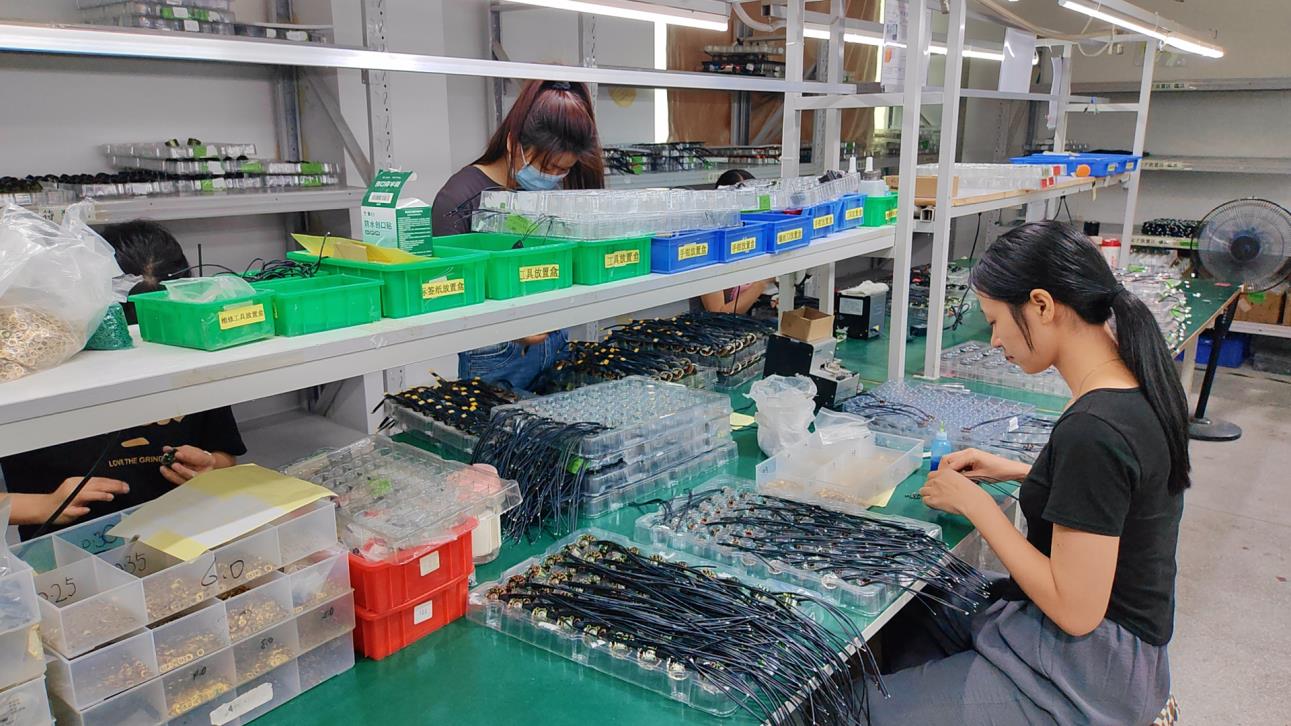
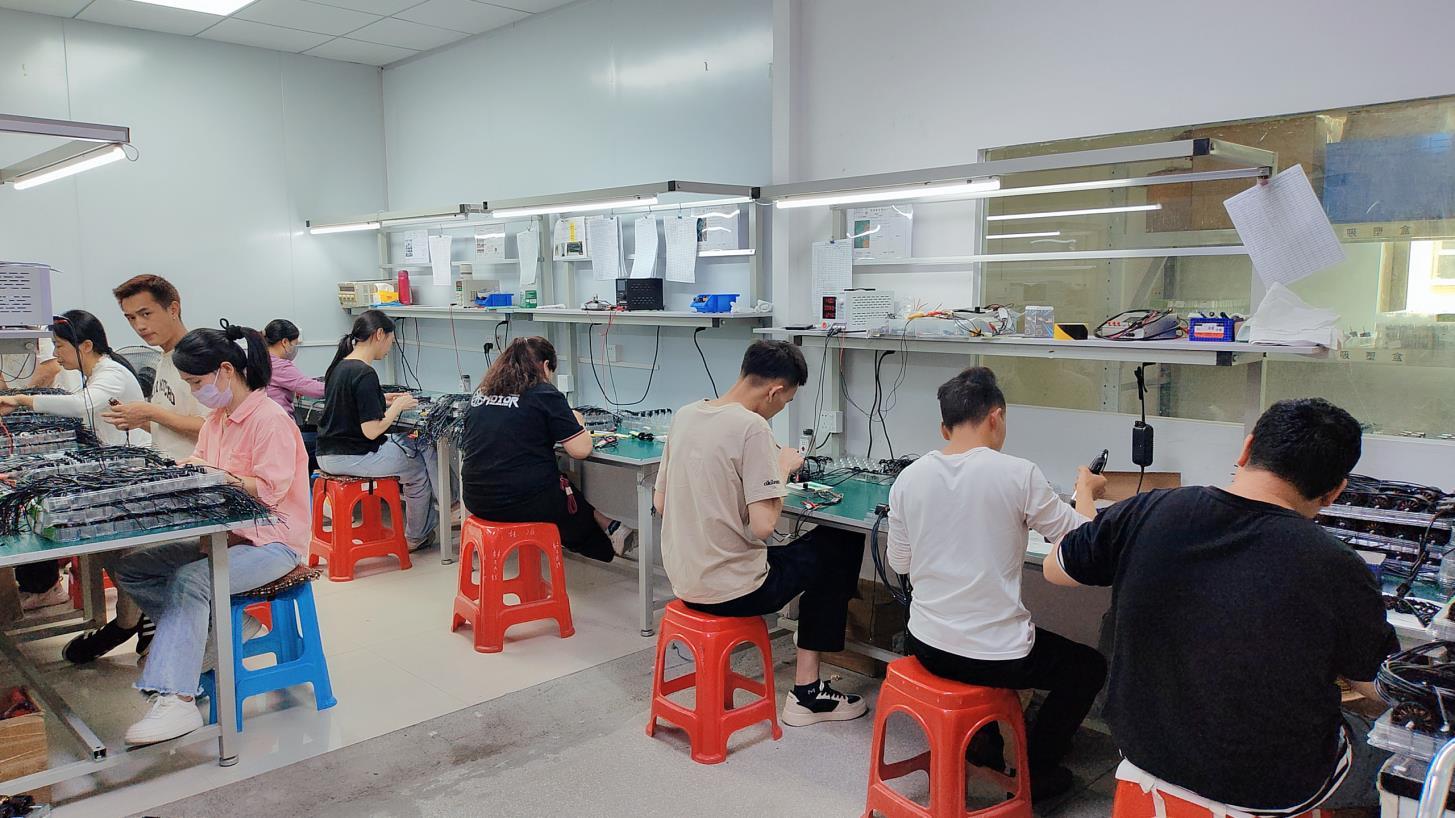
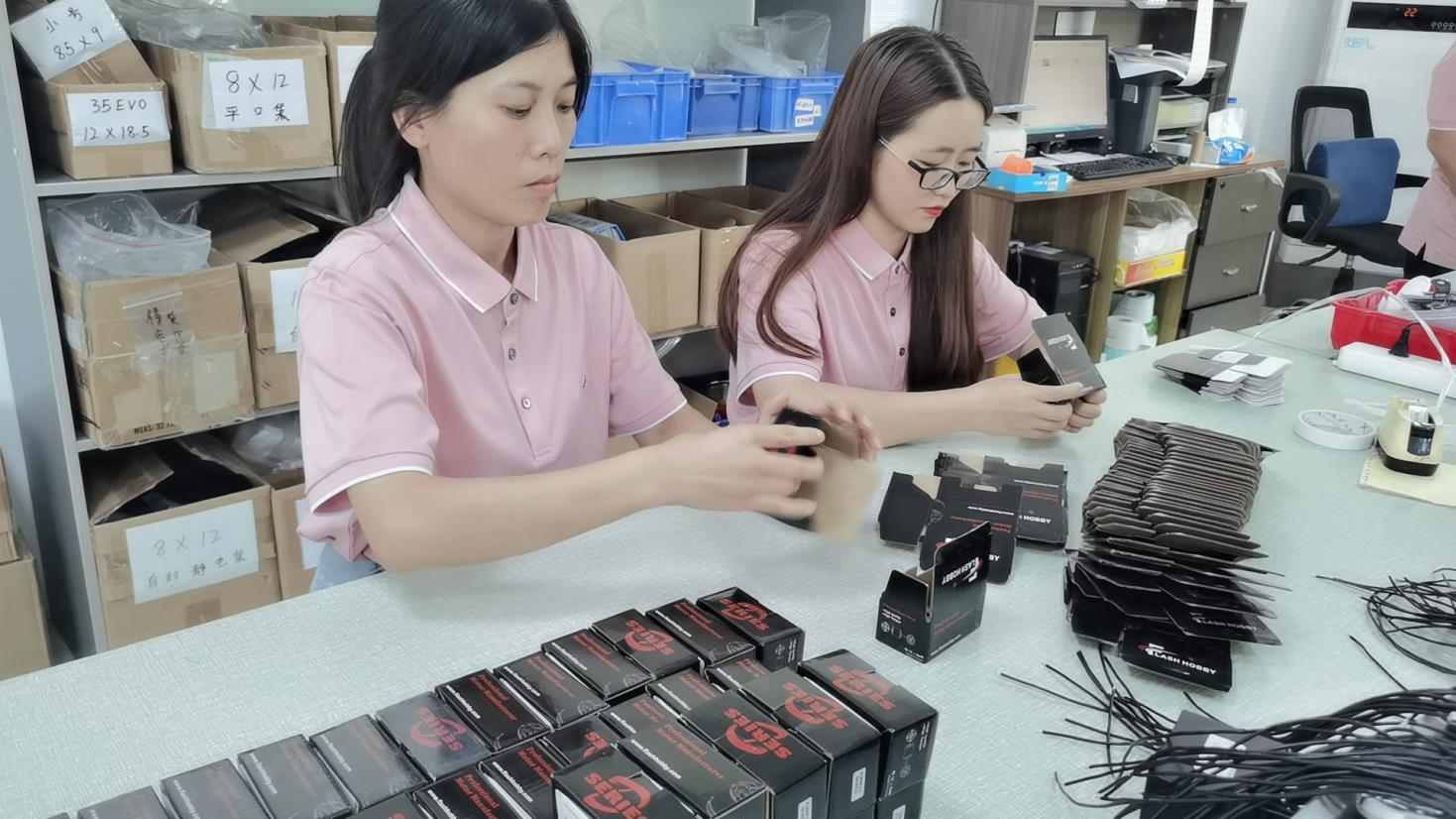
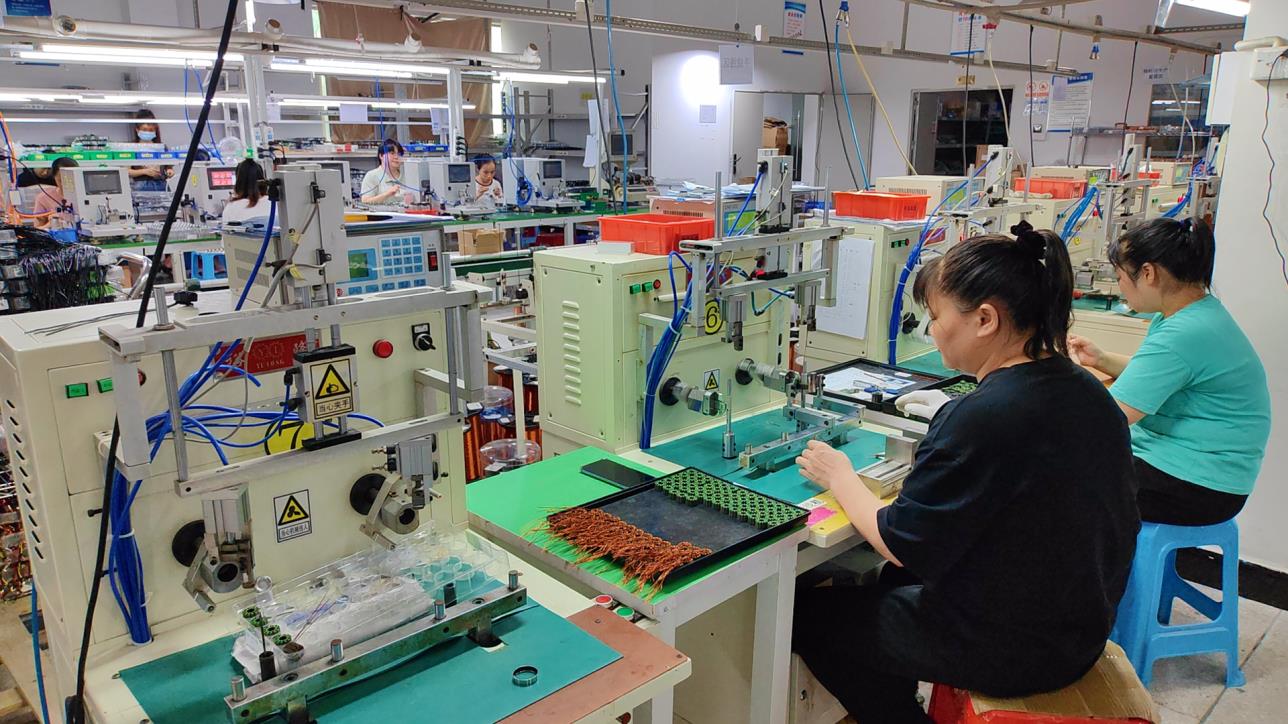
From our state-of-the-art manufacturing facility in China, we control the entire lifecycle of production—from initial R&D and rapid prototyping to strict ISO-certified quality testing and high-volume delivery. We don’t just supply hardware; we partner with OEM buyers, engineers, and supply chain managers worldwide to solve complex motion control challenges with cost-efficient, industrial-grade reliability.
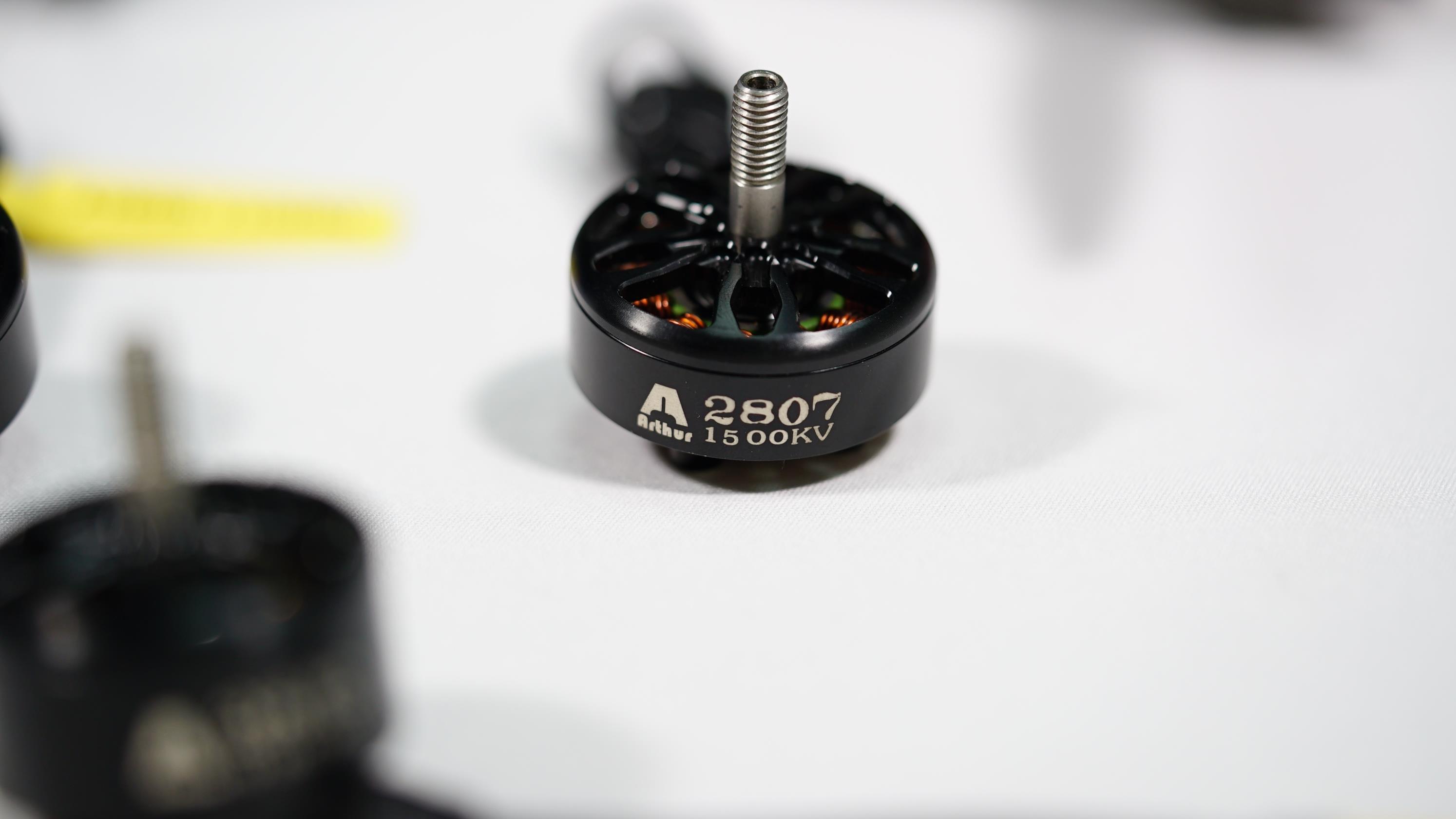
Our Huizhou production hub integrates automated SMT PCB assembly for BMS modules alongside advanced brushless DC motor production lines. Below is our complete production and quality control facility pipeline:
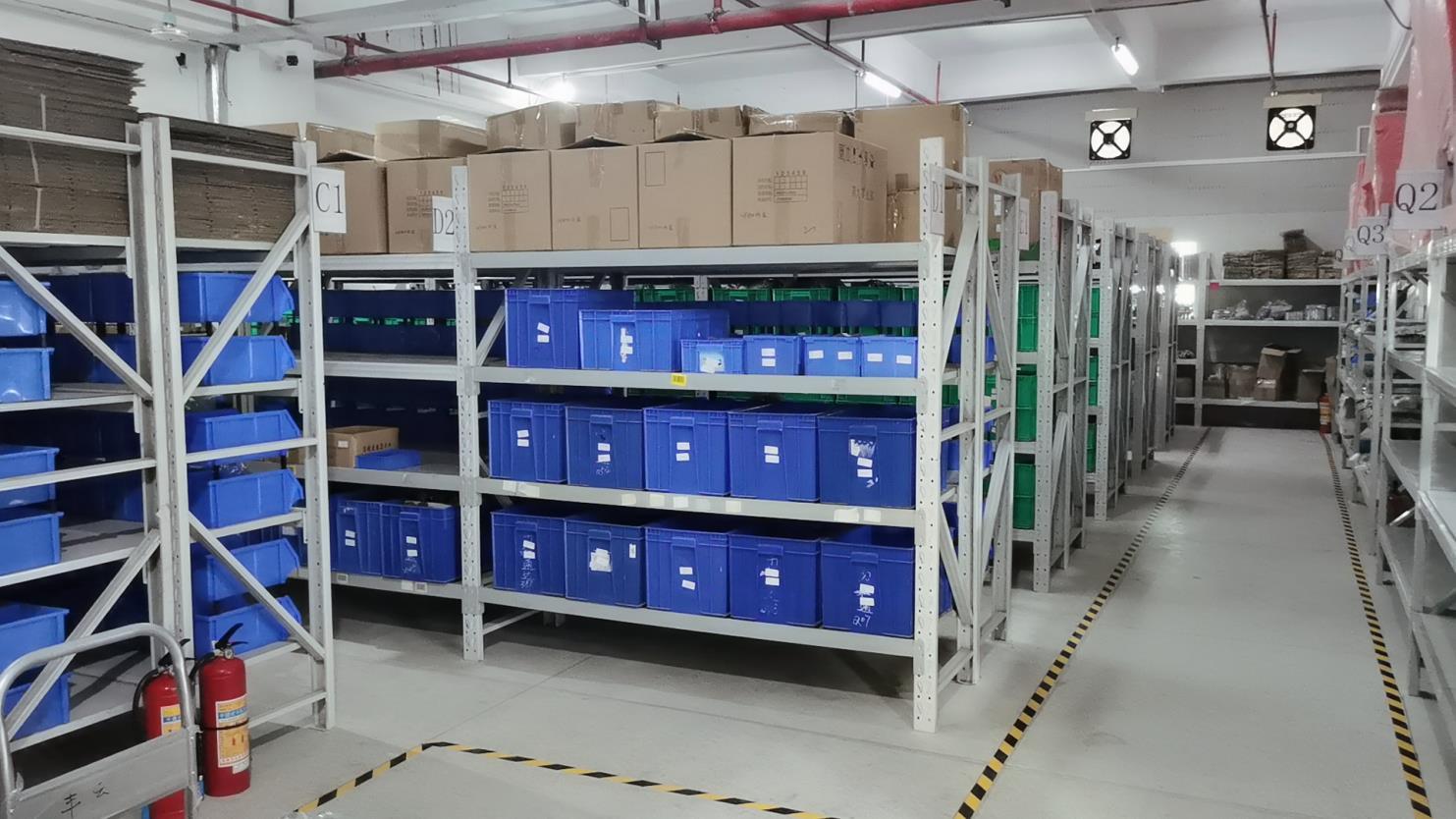
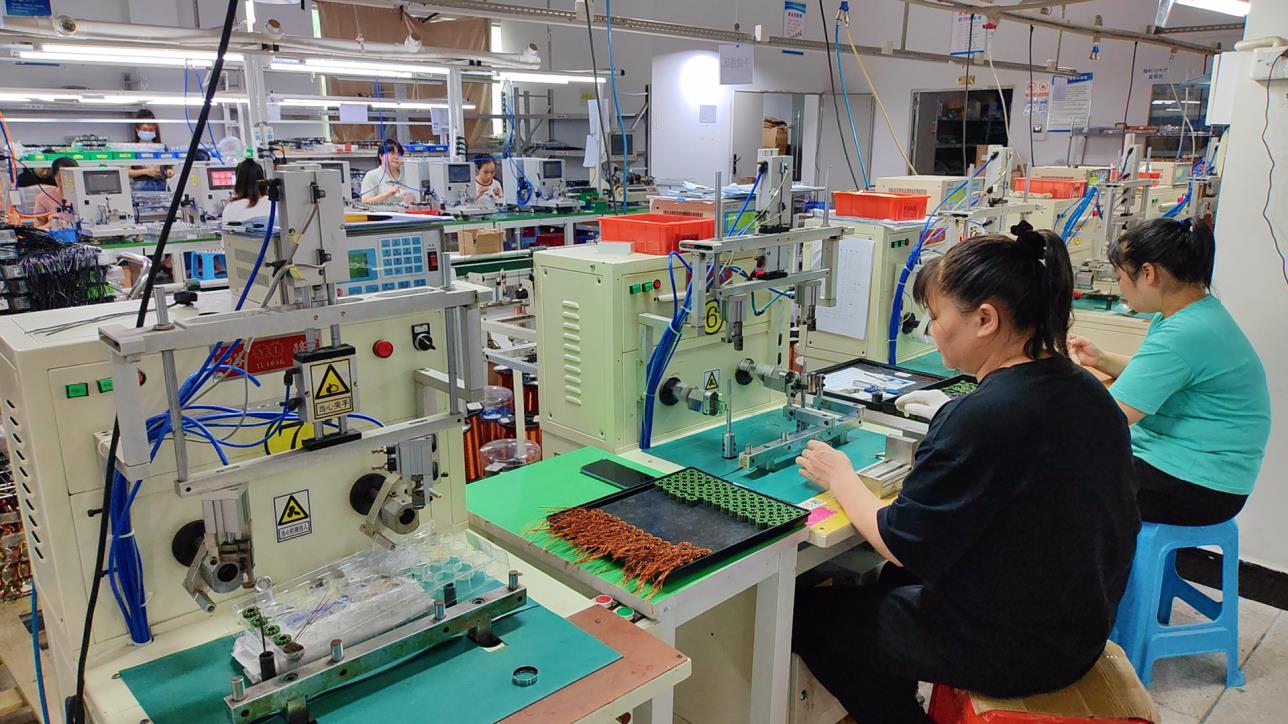

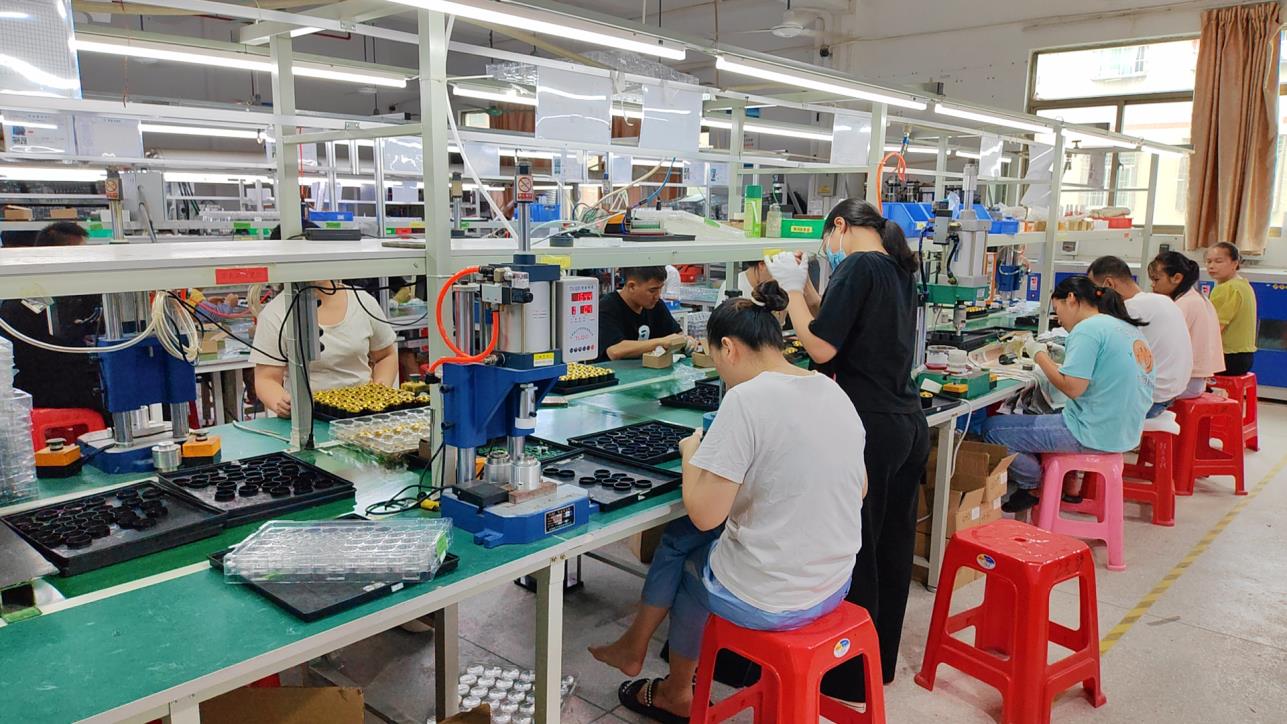
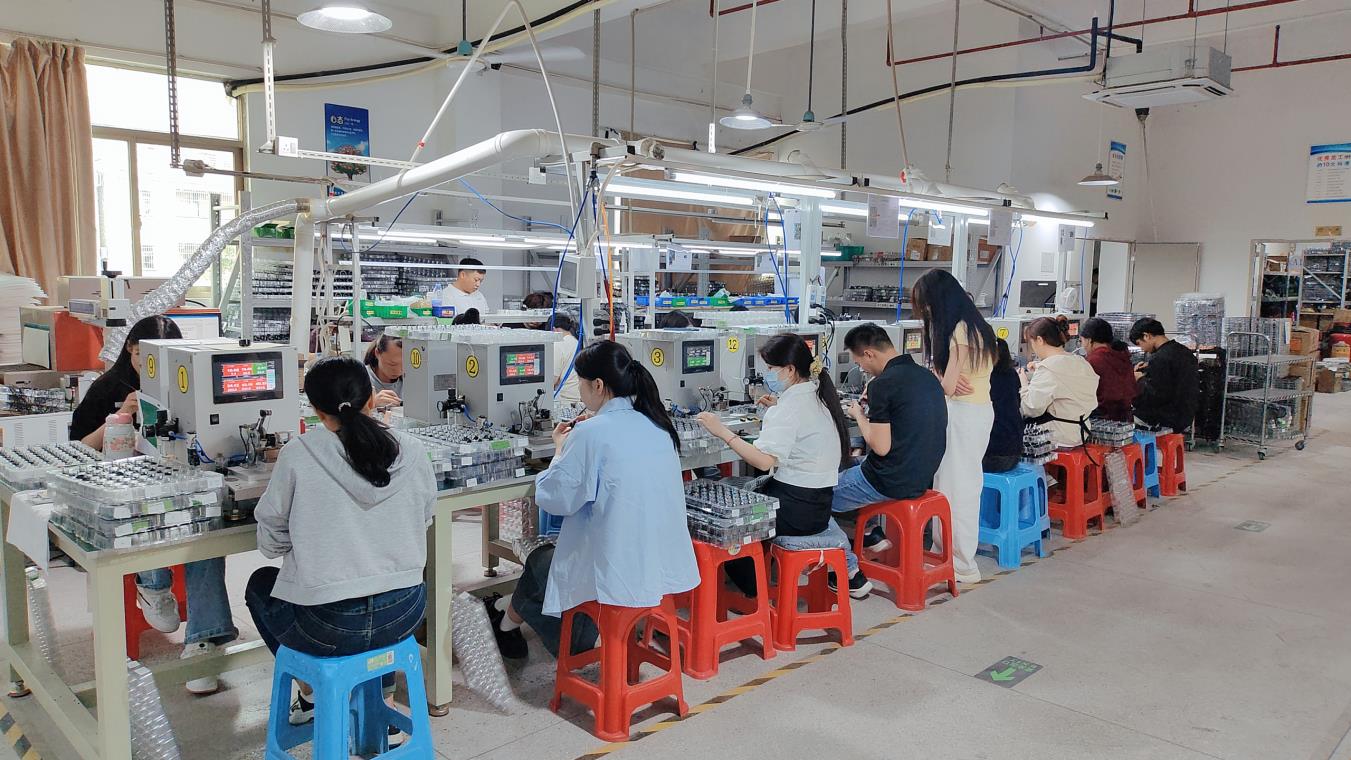
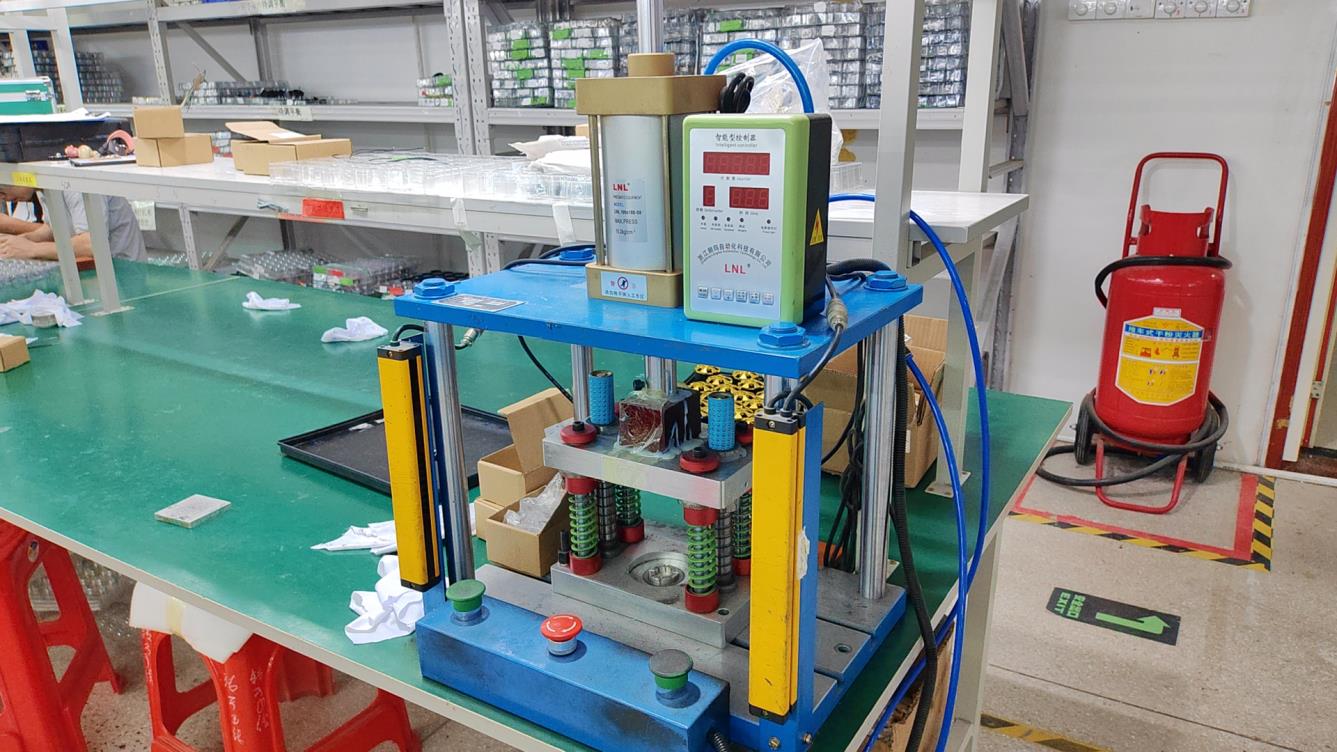
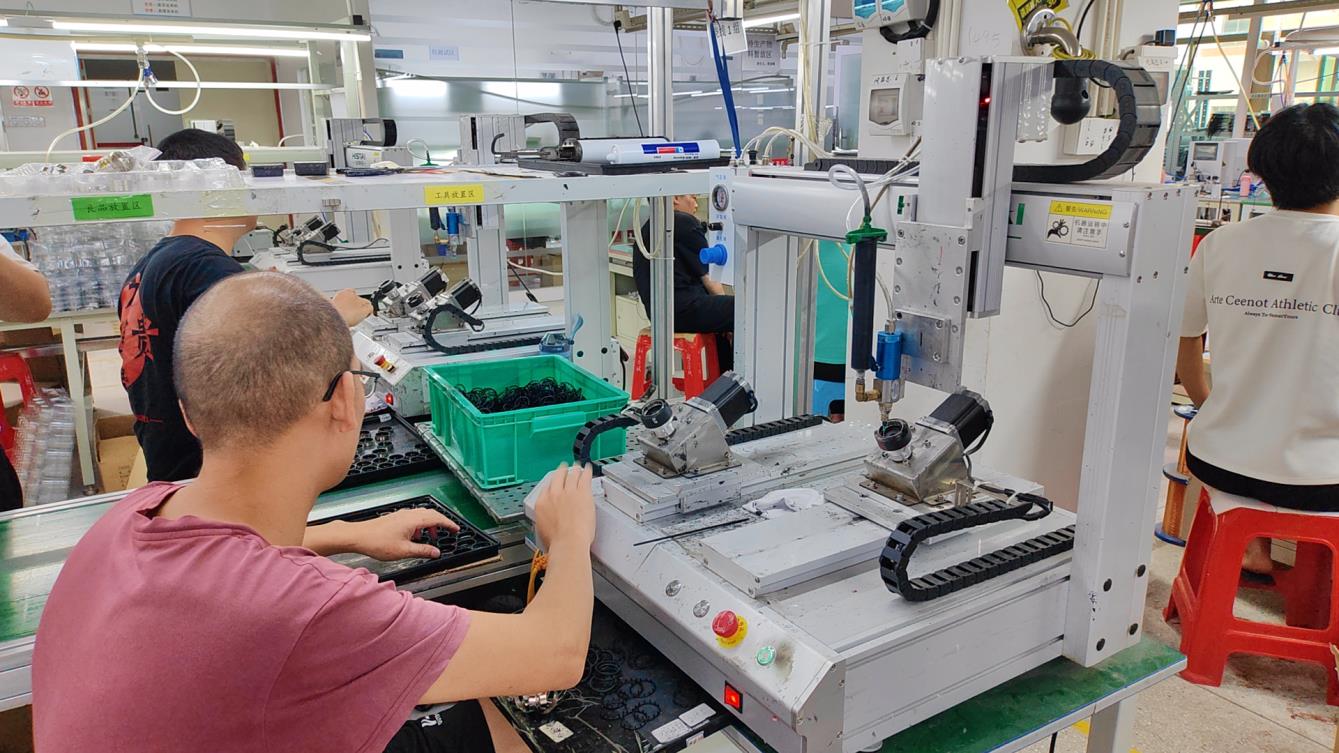
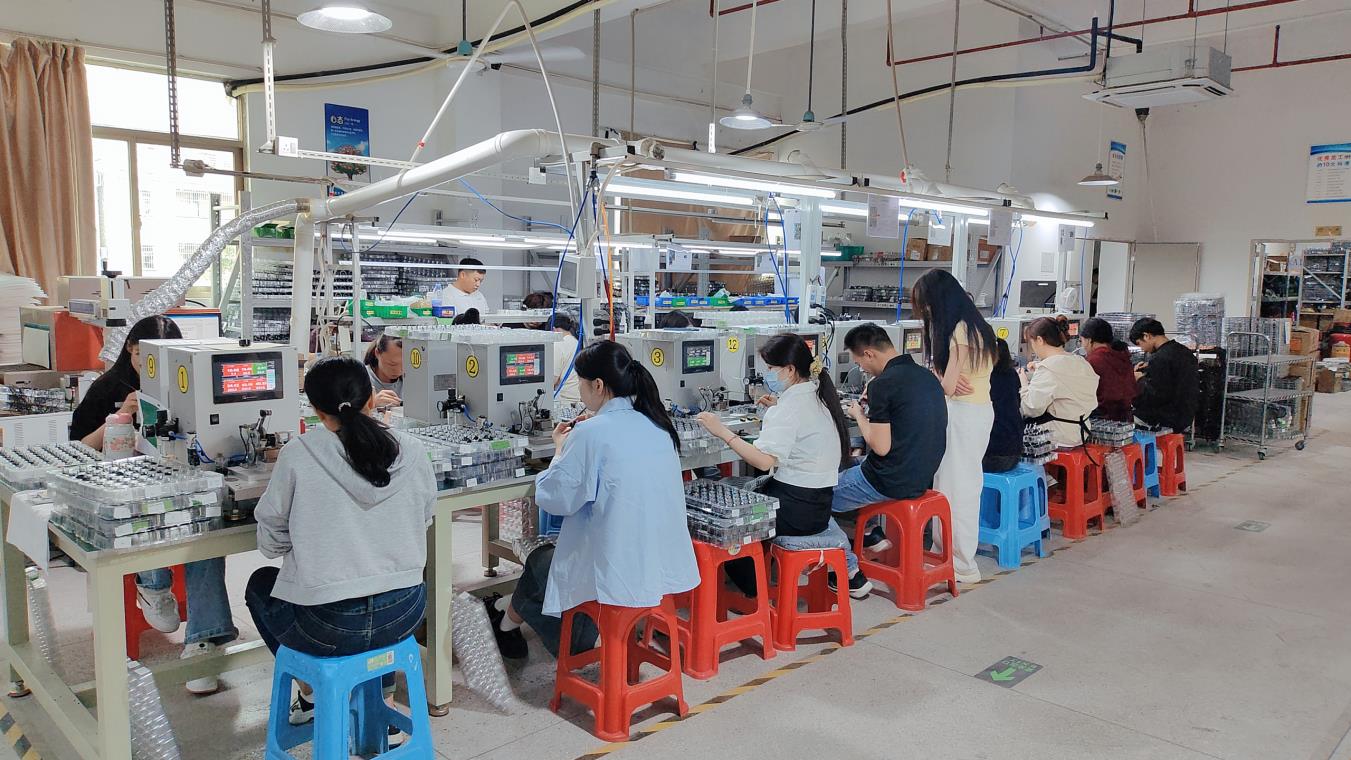
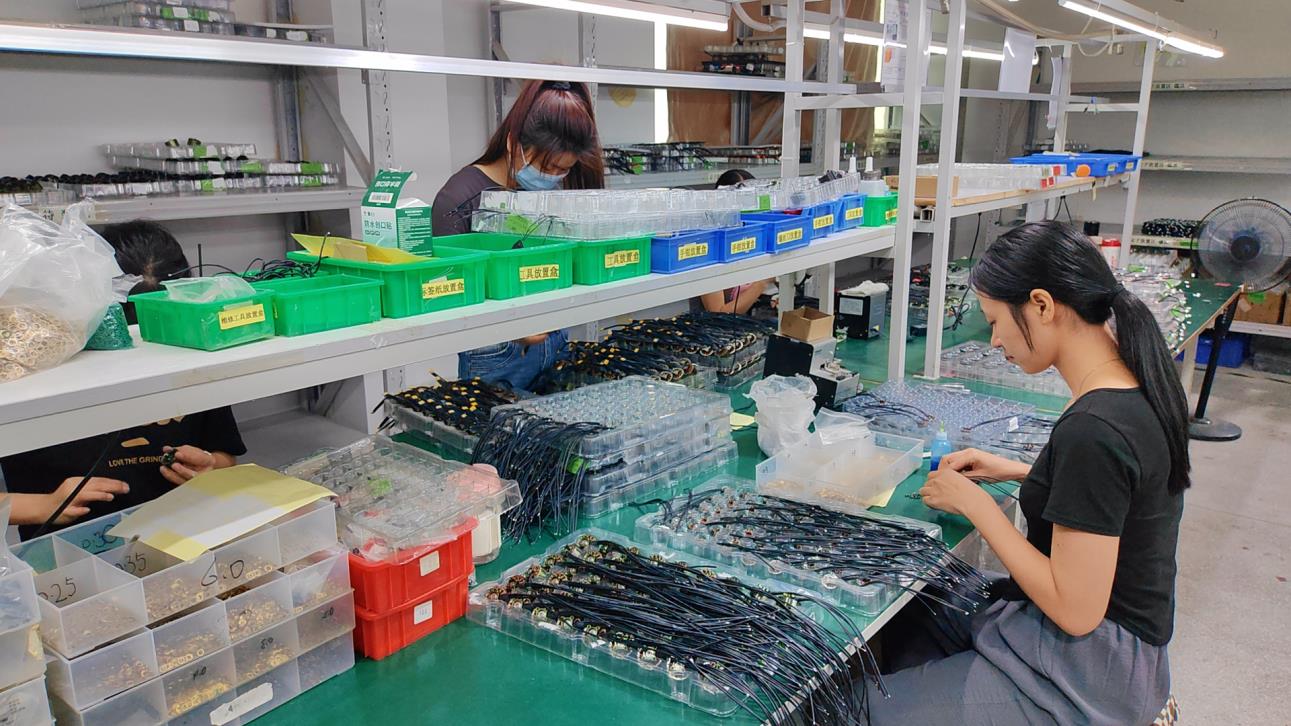
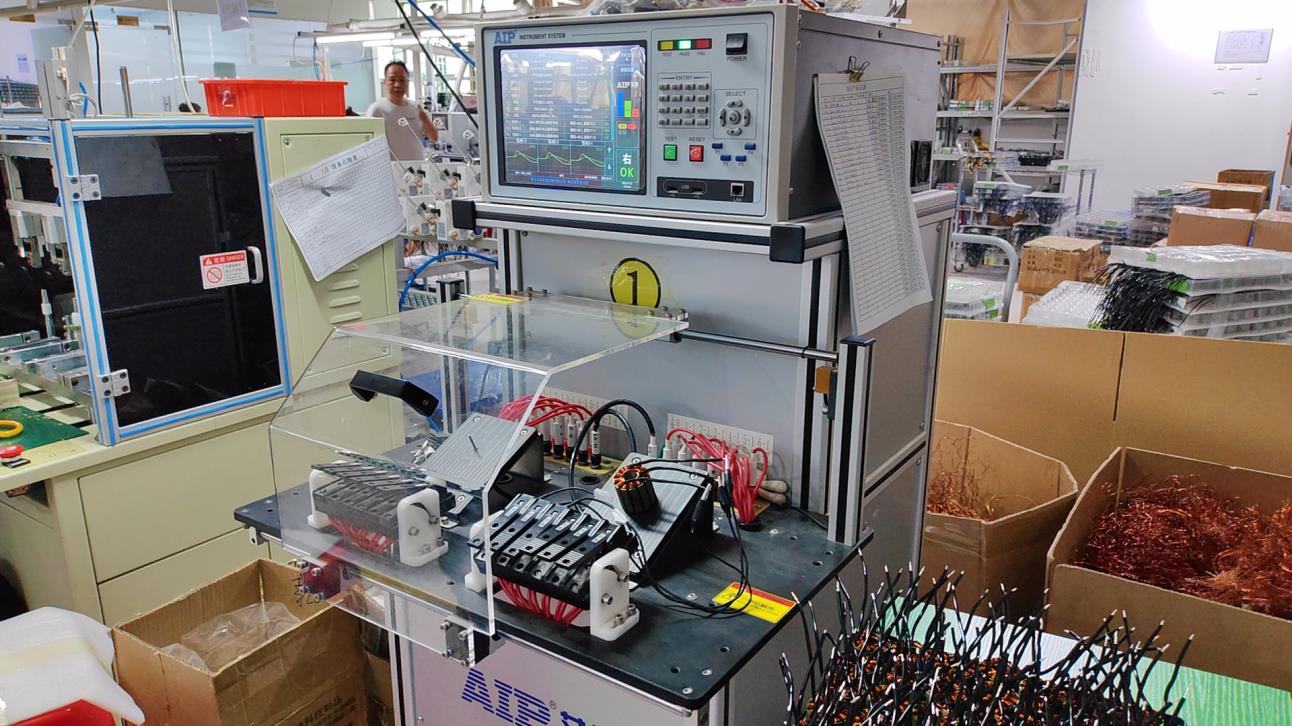
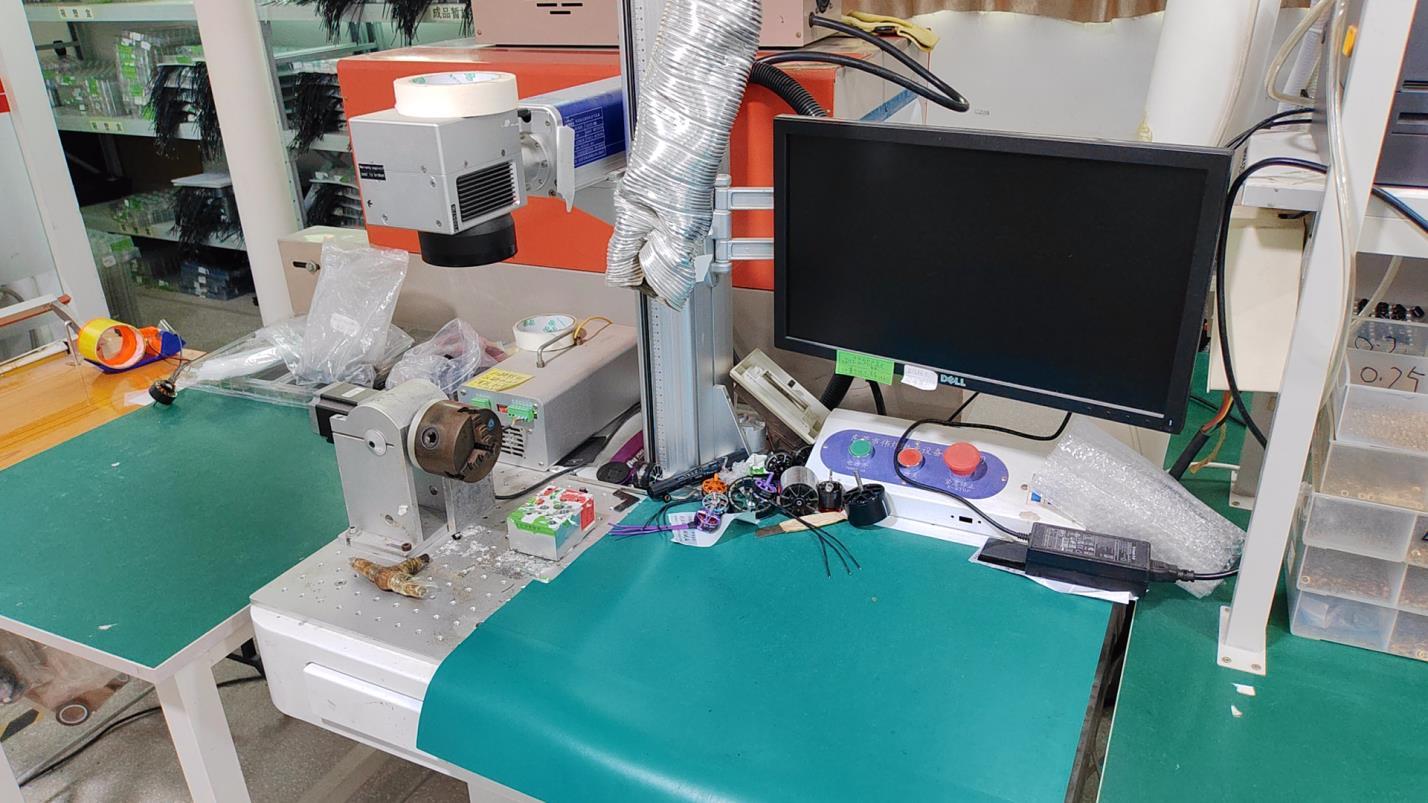
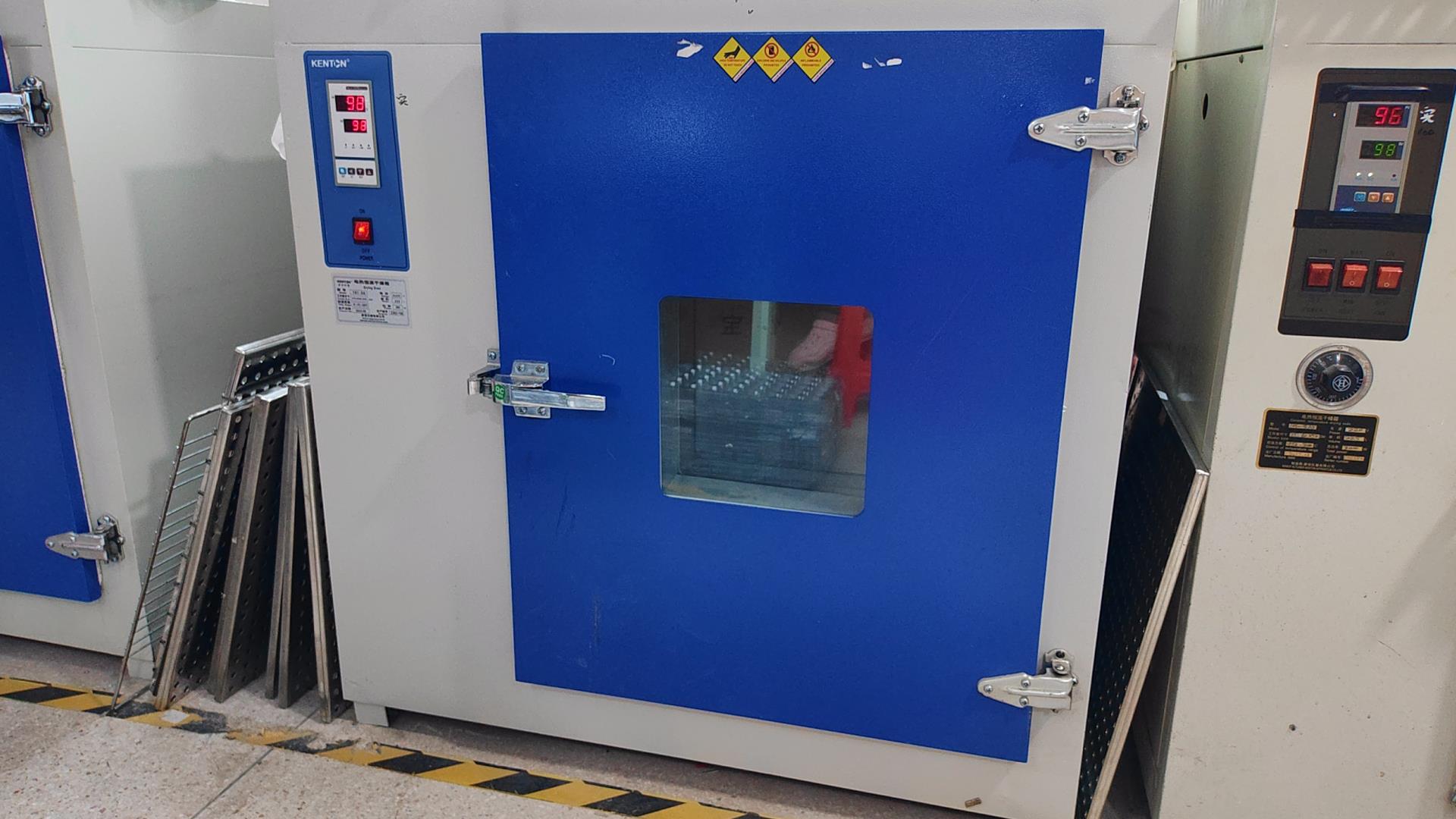

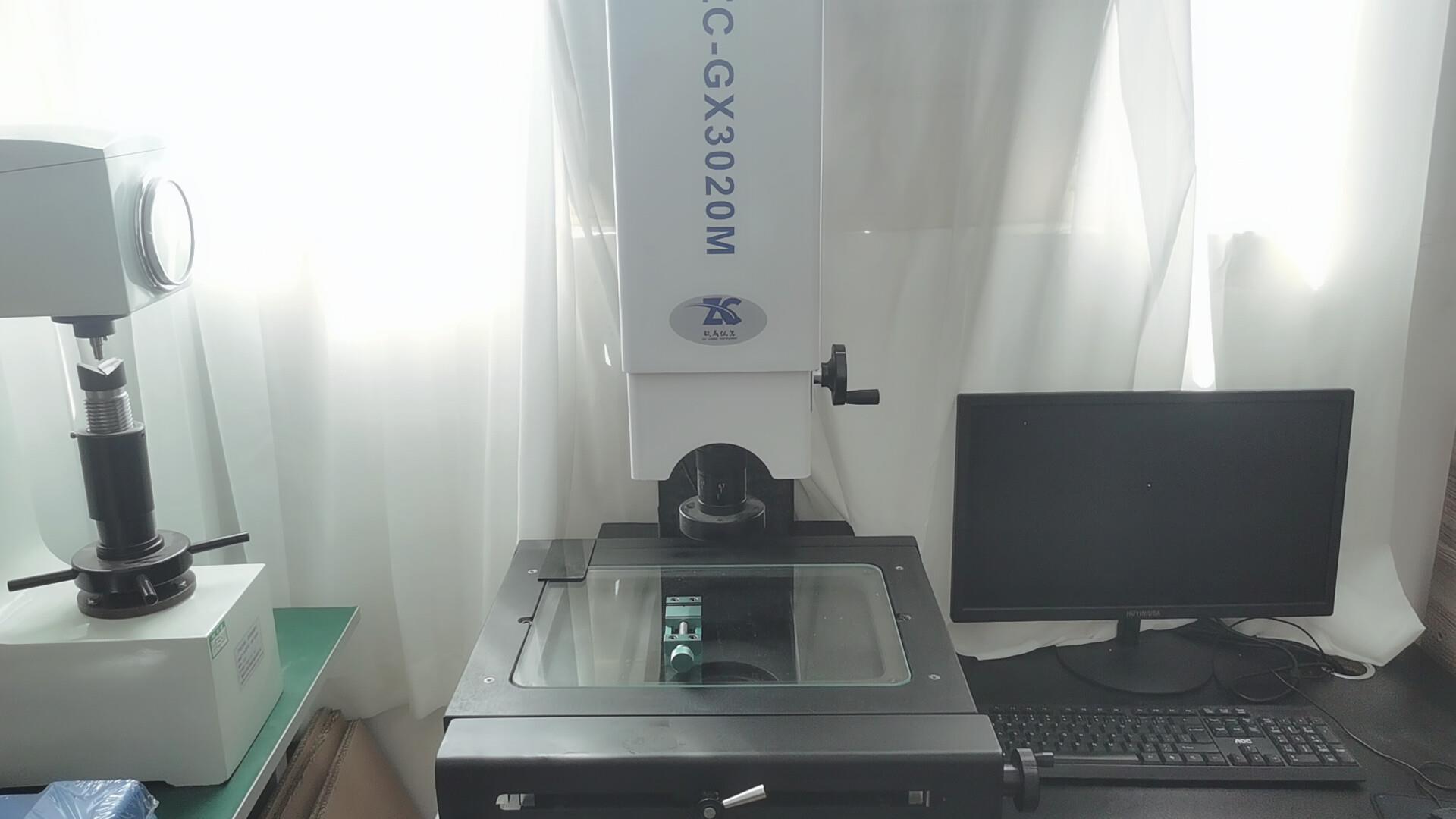
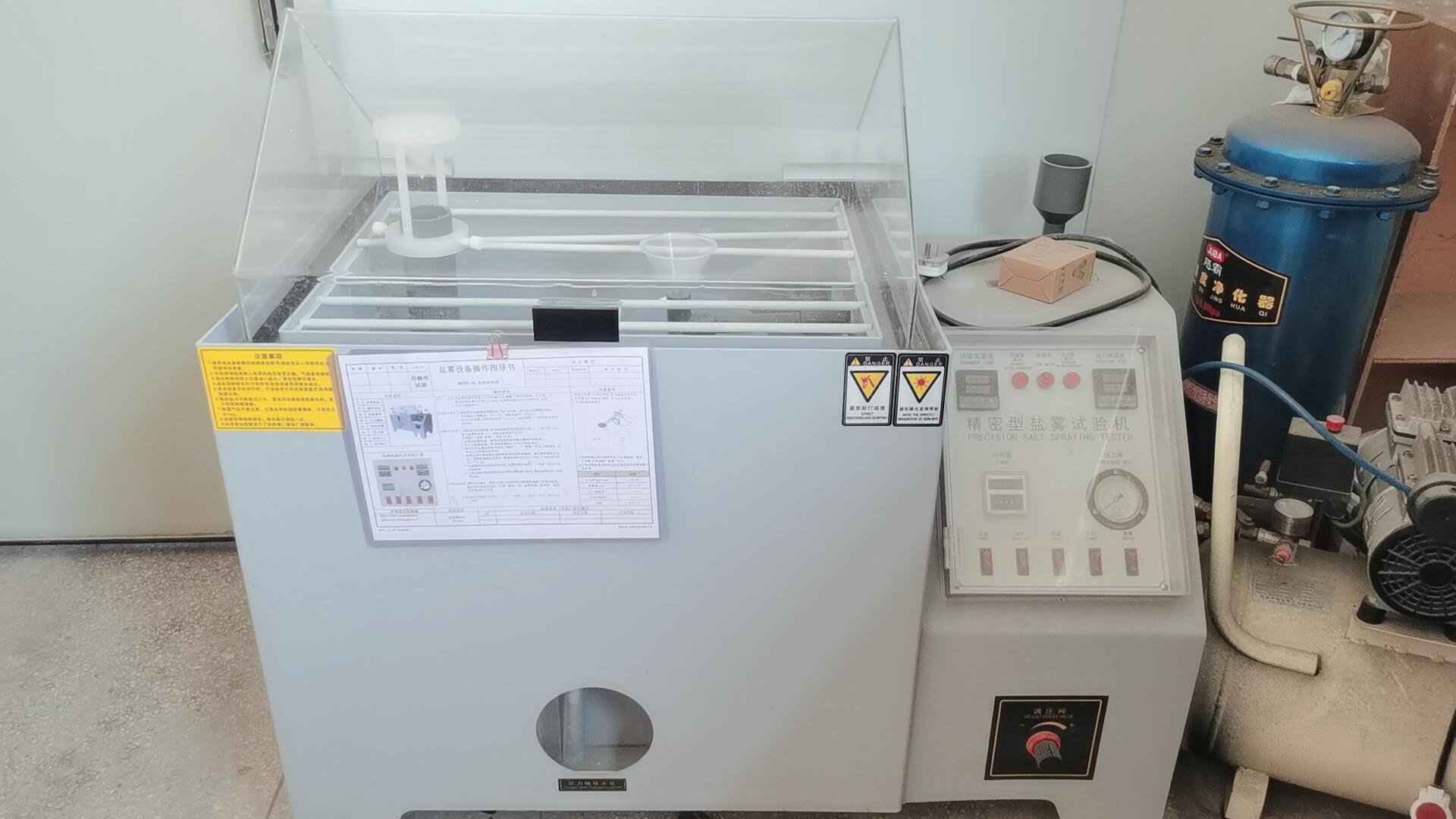
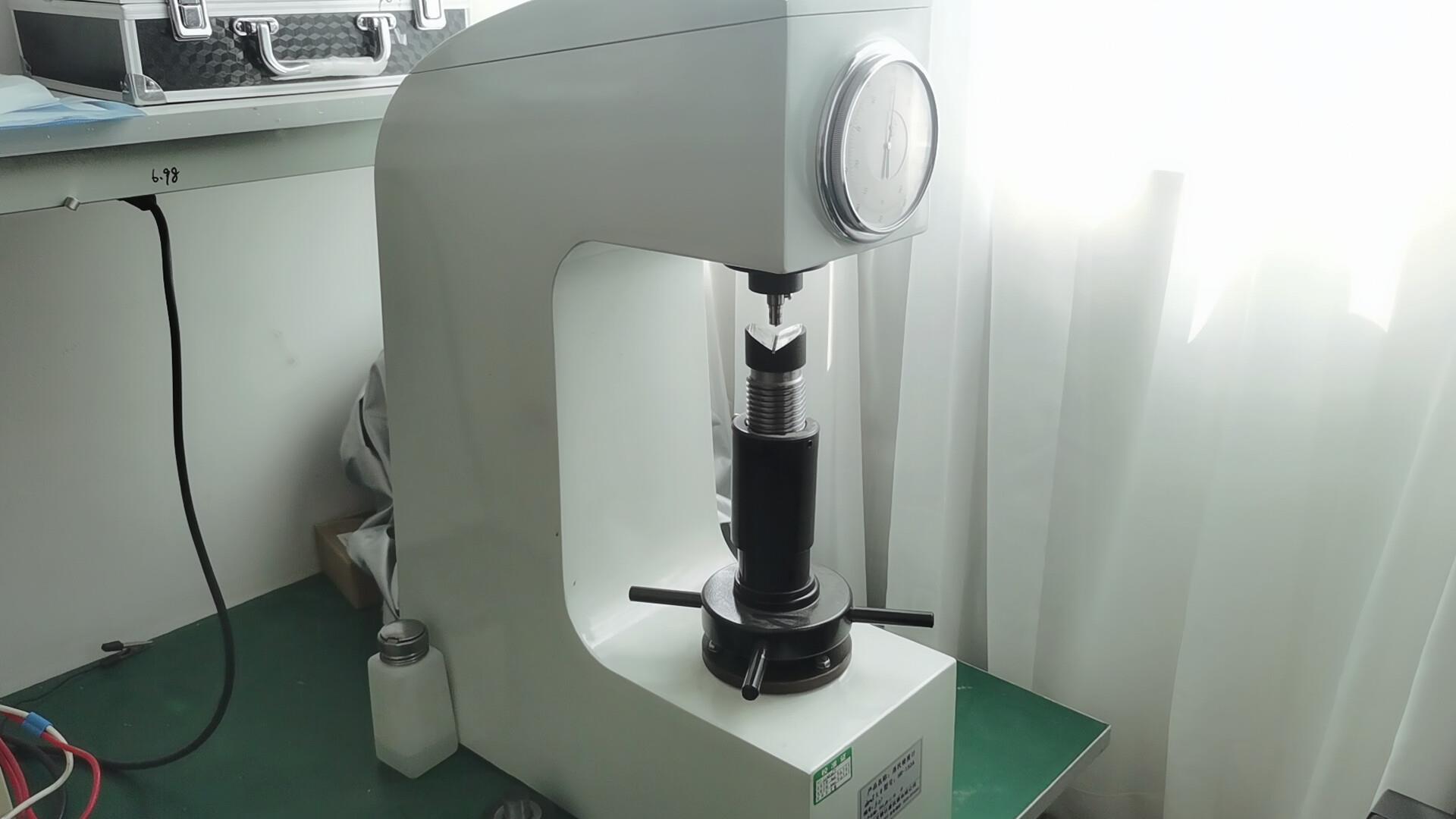
Every electronic control system, ESC board, and BMS unit undergoes extensive verification using advanced lab equipment to ensure absolute field reliability:
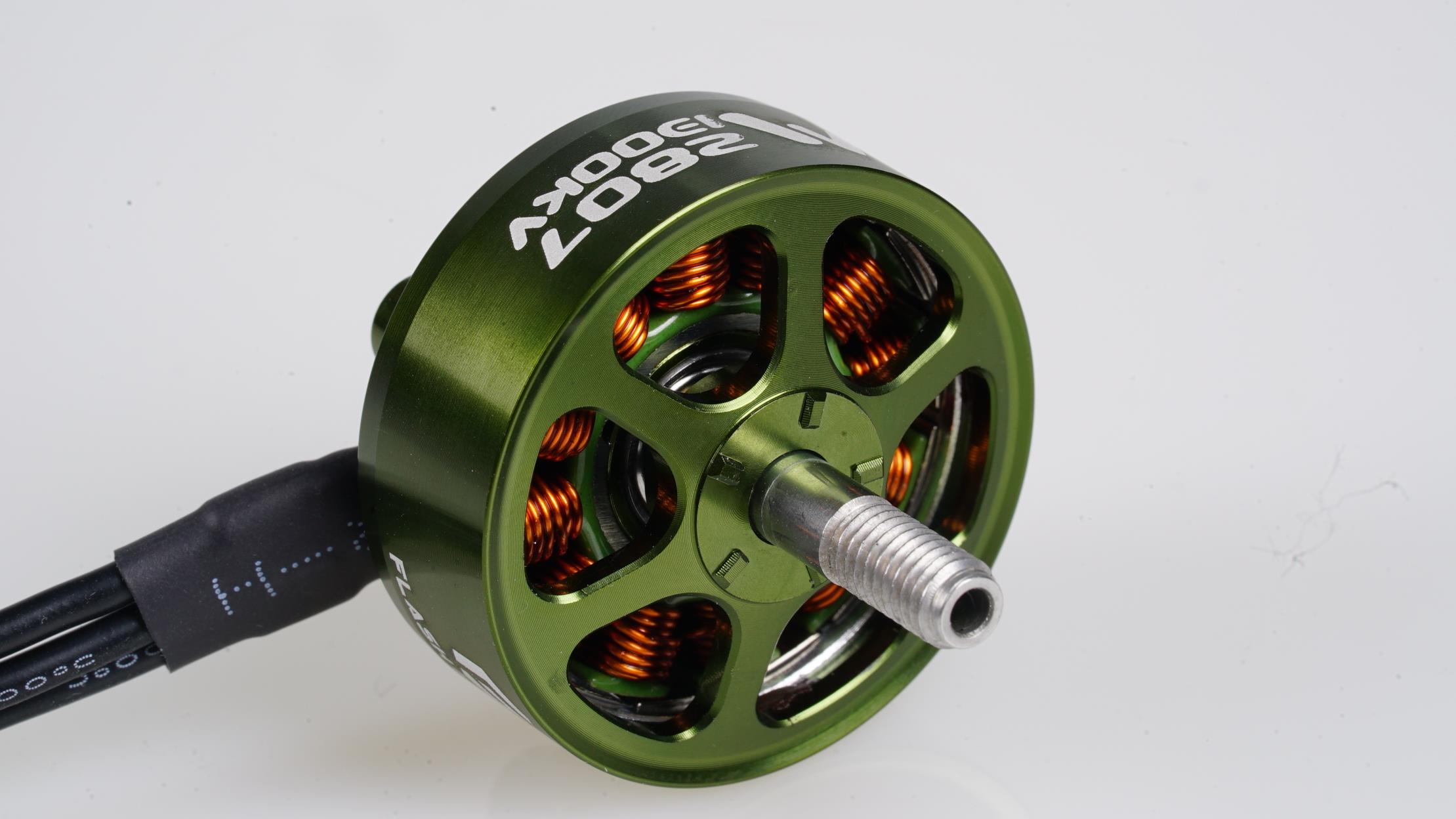
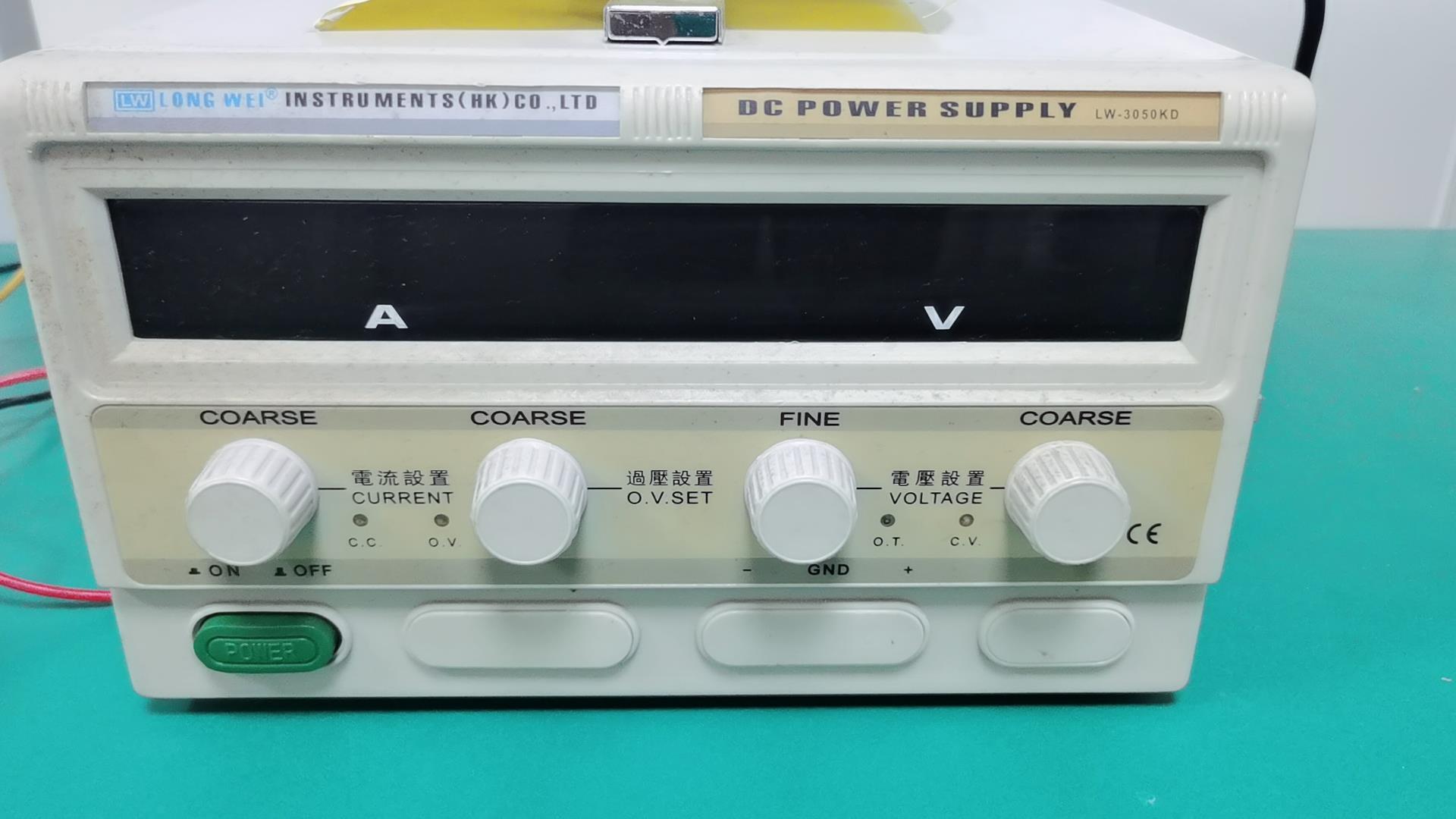
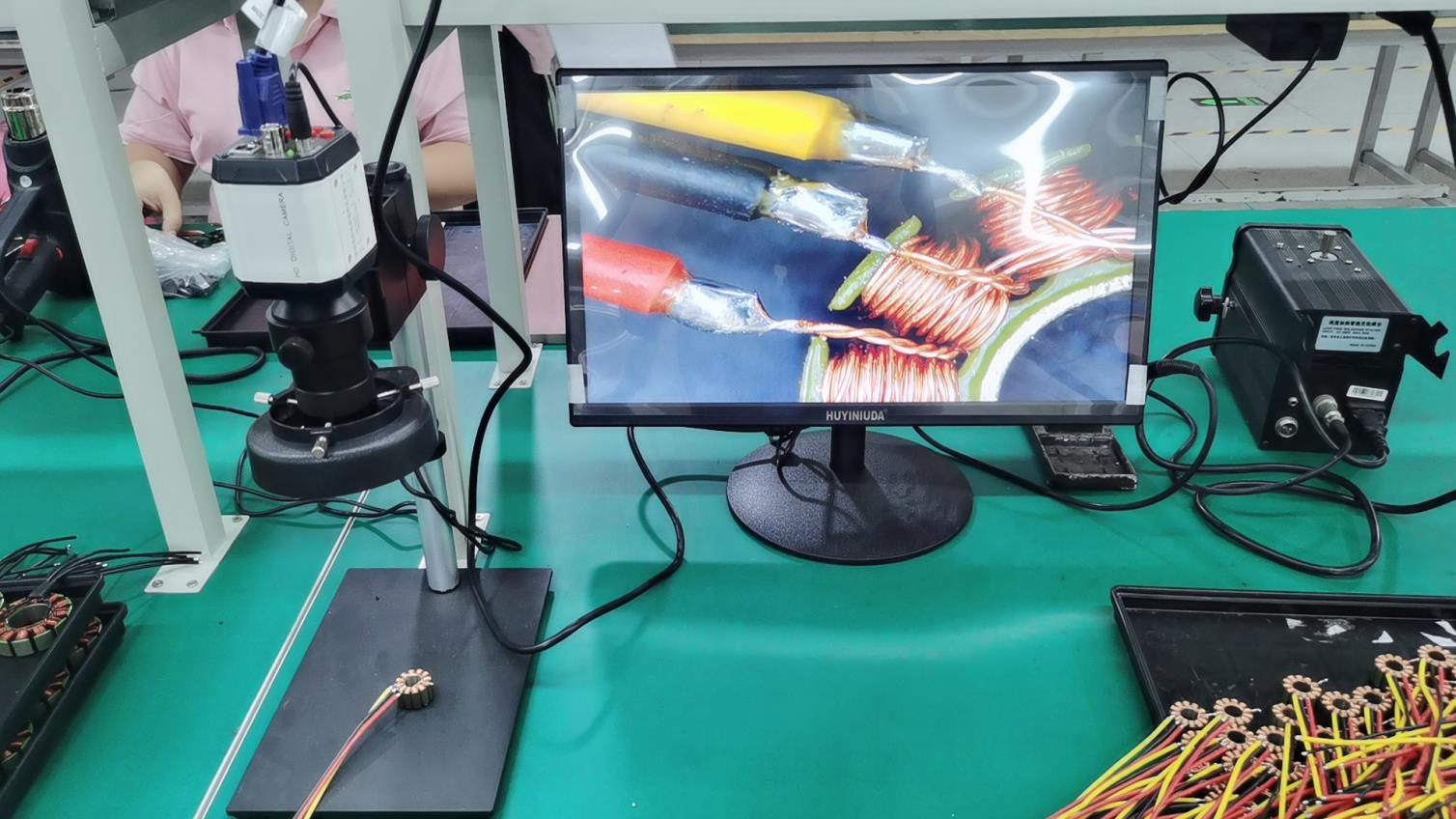
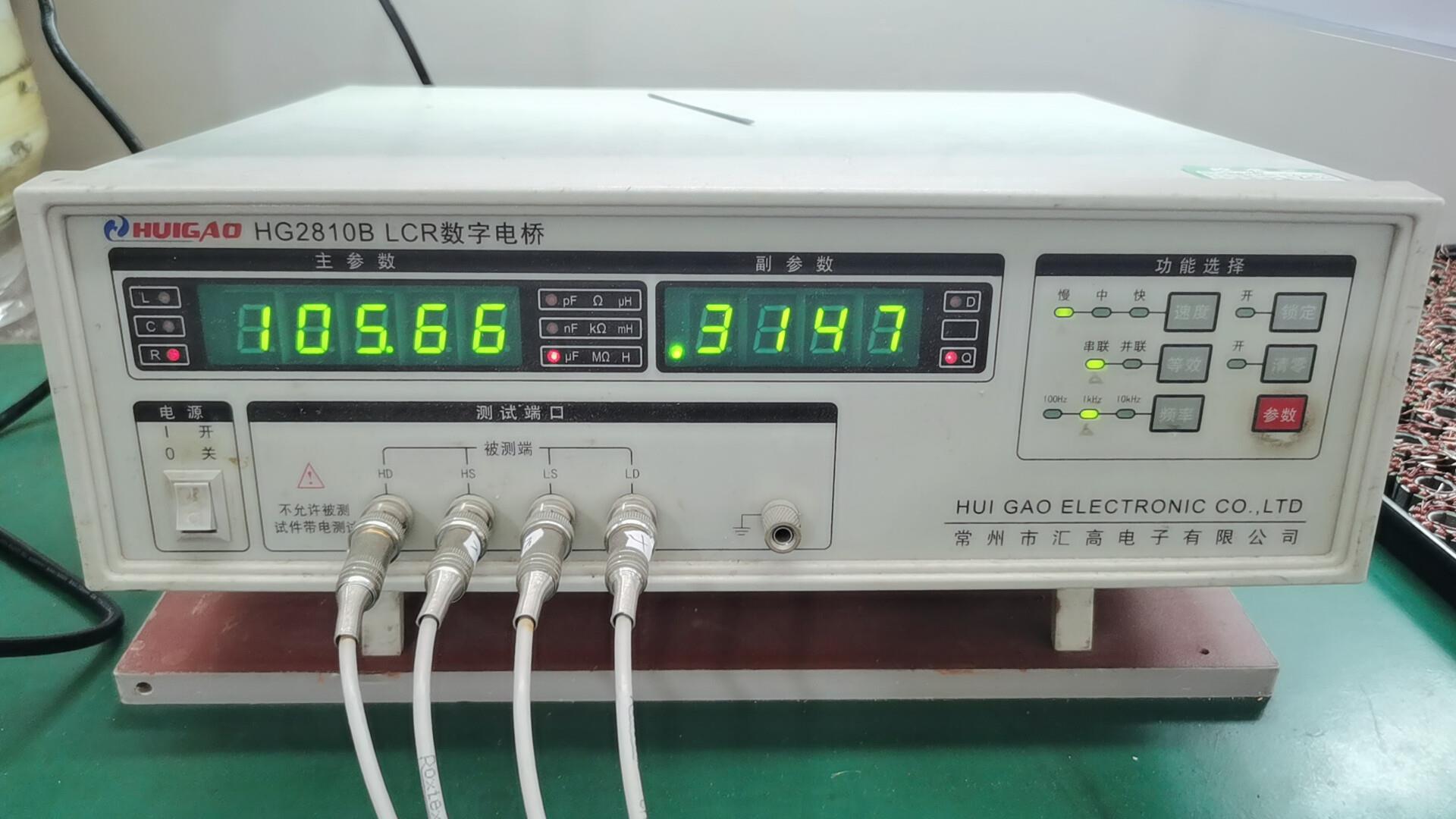
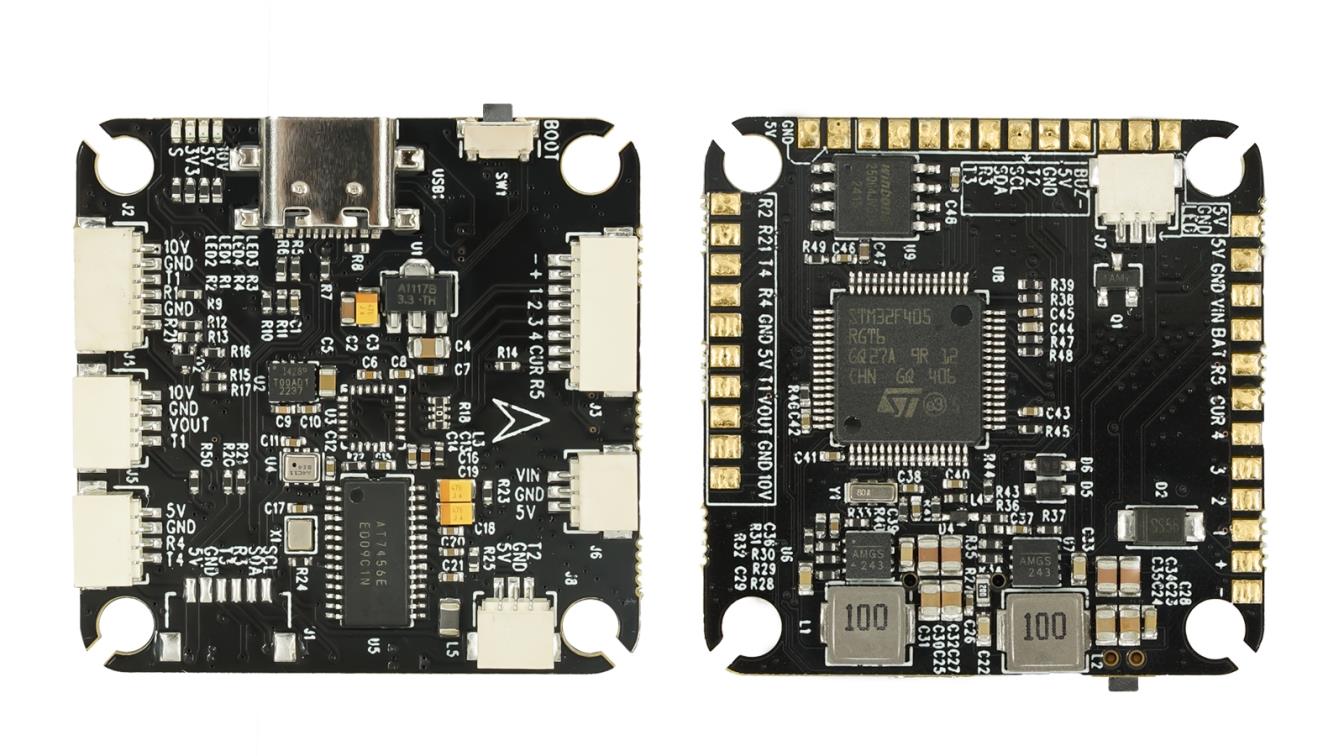
Different industrial operational environments place unique electromechanical stresses on battery management sub-assemblies. Customizing protection parameters prevents catastrophic thermal degradation and optimizes life expectancy.
Grid storage applications require multi-layer isolated master-slave controllers managing up to 1500V DC stacks. Critical features include RS485/Modbus RTU integration with energy management software (EMS) and millivolt-level cell balance precision.
High-burst discharge environments (e.g., FPV freestyle racing, heavy payload agricultural spraying) require high continuous C-rate monitoring, BLHeli 32-bit integration, real-time current shunt tracking, and ultra-compact light PCB footprints.
Automotive and material handling applications demand ISO 26262 functional safety, regenerative braking energy absorption protection, mechanical vibration resistance, and robust CAN 2.0B automotive bus protocol compliance.
| Risk Factor | Electrochemical Consequence | BMS Hardware Countermeasure | Response Time |
|---|---|---|---|
| Overcharge Voltage Spike | Lithium plating, electrolyte degradation, fire hazard | Solid-state back-to-back MOSFET cutoff & secondary fuse blow trip | < 100 microseconds |
| Deep Over-discharge | Copper dissolution, internal short-circuit upon recharge | Low-power sleep state disconnect with voltage sensing wake-up | < 1 millisecond |
| Thermal Runaway propagation | Cell rupture, exothermic cascading fire | Multi-point NTC thermistor array + pyrofuse trigger line | Instantaneous isolation |
| Cell Imbalance drift | Usable pack capacity reduction, premature pack death | Inductive/Capacitive dynamic active balancing circuit | Continuous operation |
When evaluating BMS manufacturers and overseas exporters, engineering procurement leaders must look beyond the initial Non-Recurring Engineering (NRE) fees and component BOM costs. Evaluating lifetime field reliability, software maintenance, and dynamic scaling yields significant long-term savings.
Sourcing BMS units and matched motion control hardware (ESC, BLDC motors, smart servos) from single-source manufacturing partners such as Huizhou Yaftech dramatically reduces integration latency. By aligning motor inductance, thermal dissipation profiles, and battery protection cutoffs under one engineering roof, OEMs achieve faster time-to-market and lower warranty replacement ratios.
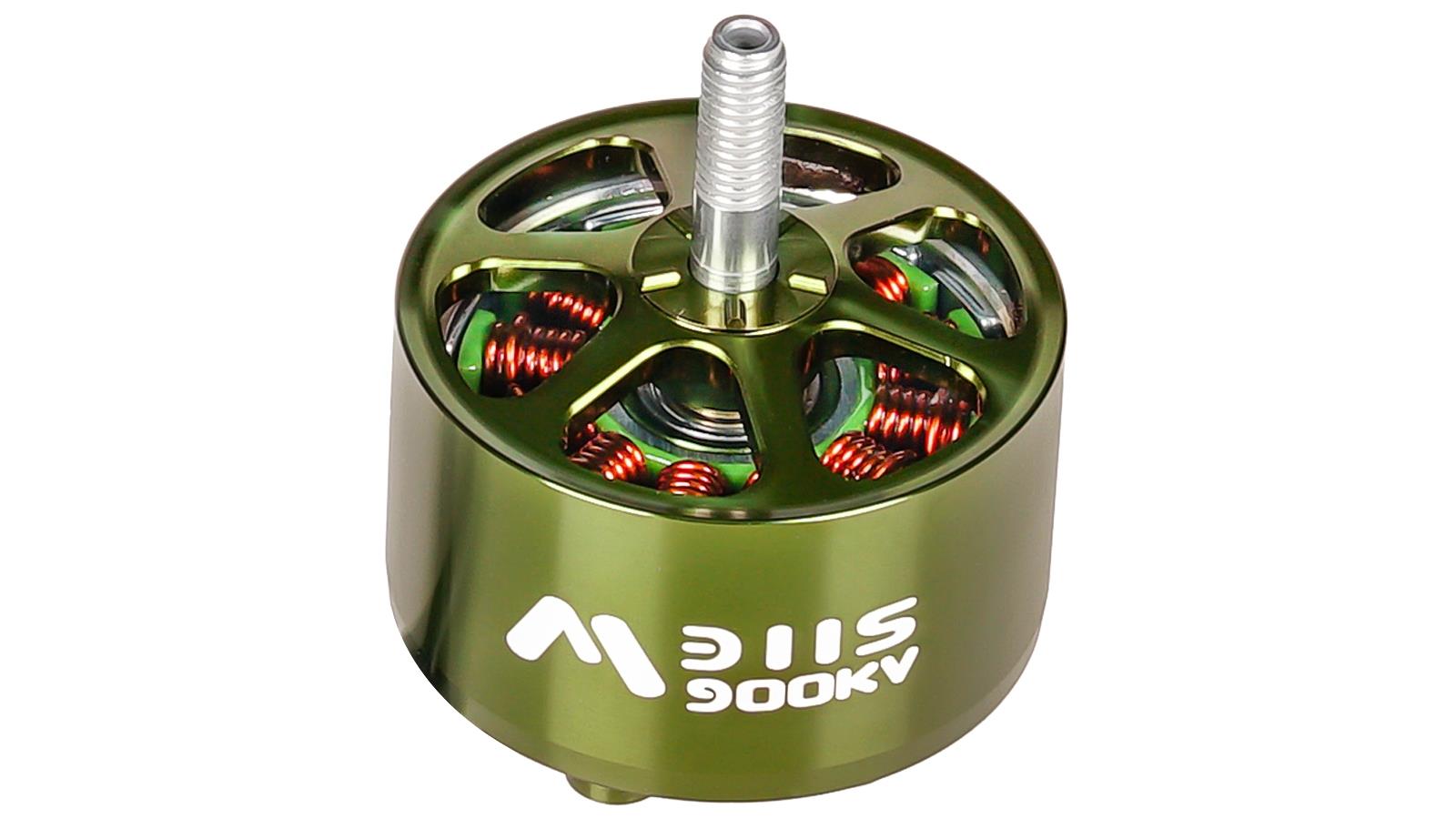
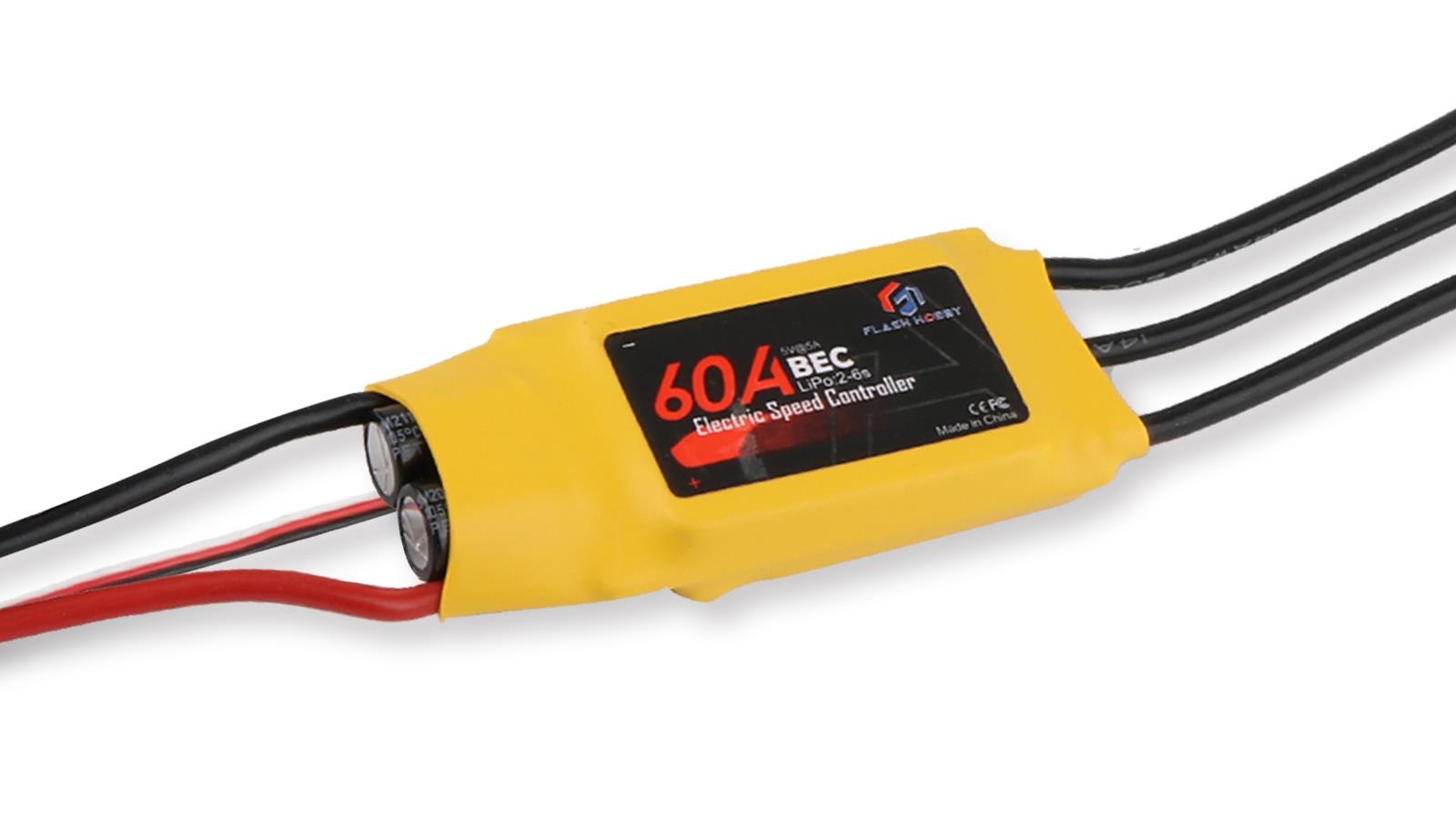
Complementary brushless drive systems, BLDC motors, and coreless digital servos designed for high-density lithium power packs.




Passive balancing bleeds off excess charge from higher-voltage battery cells as heat through discharge resistors during the end of charge cycles. Active balancing physically transfers energy from high-voltage cells to low-voltage cells using inductive or capacitive energy storage circuits. Active balancing generates far less heat, preserves energy, and allows fuller utilization of total battery pack capacity.
Modern BMS architecture combines Open Circuit Voltage (OCV) lookup tables with Coulomb Counting (integrating current over time via precision shunt resistors). Advanced industrial units utilize the Extended Kalman Filter (EKF) or Neural Network algorithms to dynamic account for temperature variation, cell internal resistance aging, and hysteresis.
China (specifically regional ecosystems such as Huizhou and Shenzhen) possesses complete vertical integration—from rare-earth magnet processing for motors to high-density SMT PCB manufacturing, direct access to lithium raw material suppliers, and specialized engineering workforces. Facilities like Huizhou Yaftech Motor Co., Ltd. offer short R&D iteration loops, ISO-certified testing labs, and scalable production cost advantages.
For global export, BMS units must comply with UN 38.3 (transport safety testing), UL 1973 (stationary battery energy storage systems), IEC 62619 (industrial lithium battery safety), and CE/FCC EMC directives. Electric vehicle applications require ISO 26262 ASIL functional safety compliance.
The BMS and Electronic Speed Controllers (ESCs) communicate across a shared CANbus or UART network line. If the BMS detects an imminent cell over-discharge, over-current, or thermal spike, it transmits dynamic throttle-derating commands to the ESC to reduce motor draw smoothly before triggering a hard relay circuit disconnect.
 Yaftech Motor