High-frequency, low-latency, and thermally optimized motor controller units engineered for demanding Japanese industrial applications.
An engineering deep dive into switching frequencies, phase commutation, and Field-Oriented Control (FOC) vector drive topologies.
At the center of modern industrial automation and electro-mobility lies the Electronic Speed Controller (ESC). Acting as the brain of Brushless DC (BLDC) and Permanent Magnet Synchronous Motors (PMSM), an ESC executes high-frequency commutation algorithms that dictate the speed, torque, and positional accuracy of the motor rotor. By converting DC battery power or rectified AC lines into three-phase alternating current, these controllers regulate electromagnetic stator fields to synchronize perfectly with permanent magnet rotors.
Unlike simple brushed motor controllers that vary average voltage via pulse-width modulation (PWM), modern brushless ESCs use advanced microcontrollers (such as 32-bit ARM Cortex processors) to compute complex mathematical transformations. These algorithms run at execution speeds of up to 48kHz, dynamically adjusting the gate-drive voltages of power MOSFETs (Metal-Oxide-Semiconductor Field-Effect Transistors) arranged in a three-phase bridge topology. The resulting efficiency gains are crucial for thermal management and runtime longevity in aerospace, automotive, and consumer appliances alike.
Understanding the specific technological needs and supply chain standards of Japan’s leading industrial cluster.
Nagoya, situated at the heart of Japan’s Chubu region (Aichi Prefecture), is globally recognized as the country's manufacturing powerhouse. Accounting for a major share of Japan’s automotive, aerospace, and machine tool production, the Nagoya industrial cluster demands strict reliability and precision. With automotive giants like Toyota Motor Corporation and global Tier 1 suppliers like Denso and Aisin headquartered nearby, Nagoya has cultivated a manufacturing philosophy (Monozukuri) that leaves no room for product defects.
In recent years, the rapid shift towards vehicle electrification (EVs), collaborative robotics (Cobots), and industrial drone operations has transformed the regional demand for motor control hardware. Heavy manufacturing facilities, automated logistics terminals, and precision machinery plants across Nagoya require highly customized Electronic Speed Controllers that can operate reliably under harsh electromagnetic interference (EMI), high vibration, and fluctuating thermal loads. This industrial shift necessitates partner suppliers that offer both technical depth and highly agile manufacturing capabilities.
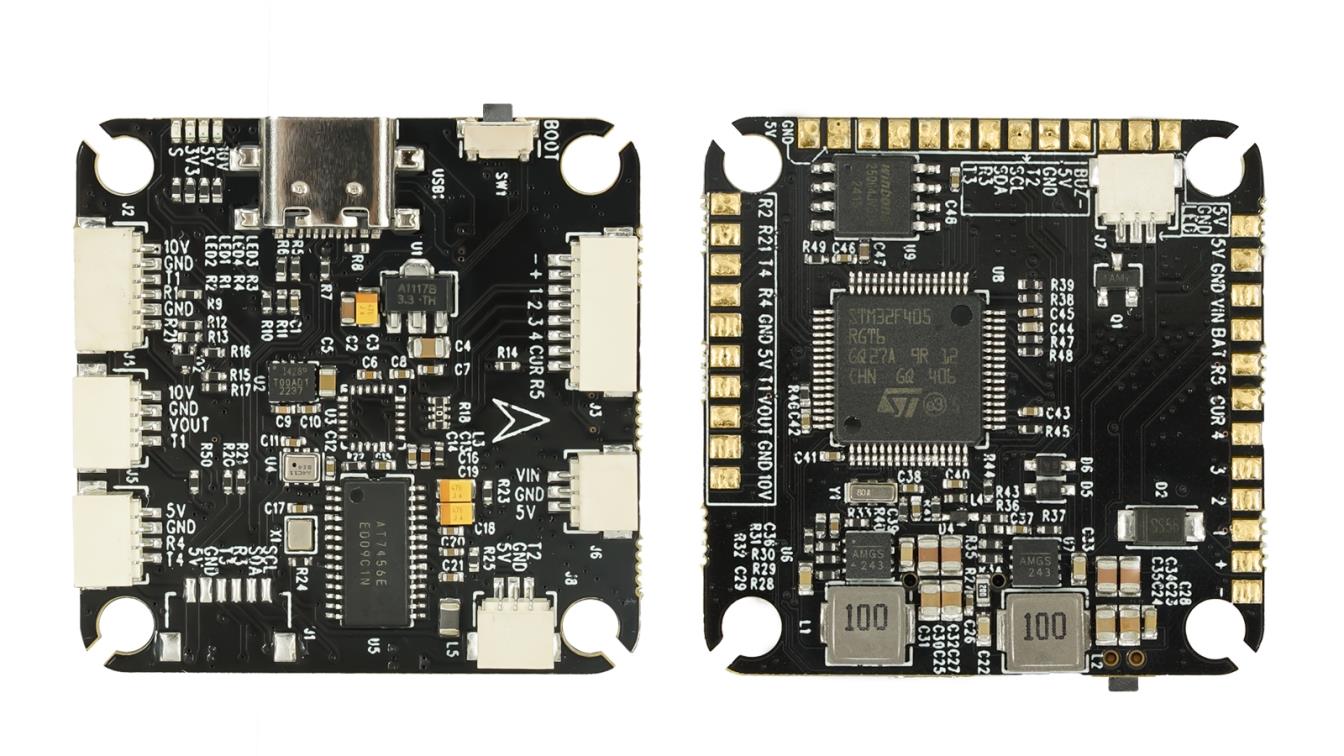
Our controllers are built with Japanese-grade capacitors, high-density PCB layouts, and military-grade MOSFETs. This ensures compatibility with the stringent noise suppression standards (CISPR 25 Class 5) and environmental tolerances demanded by Chubu-based automotive testing divisions and robotic integrators.
How our speed controllers are deployed to solve specific physical challenges across Aichi's factories and ports.
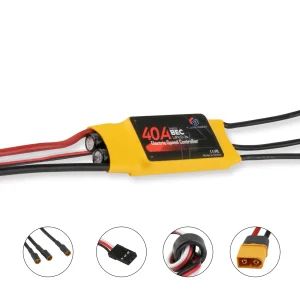
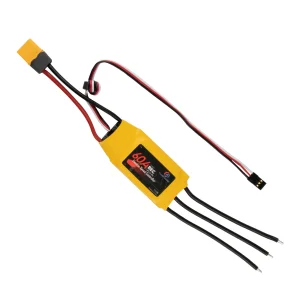
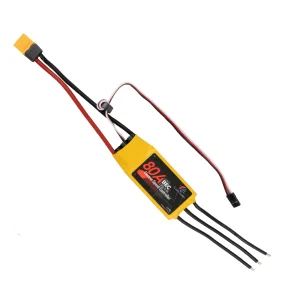
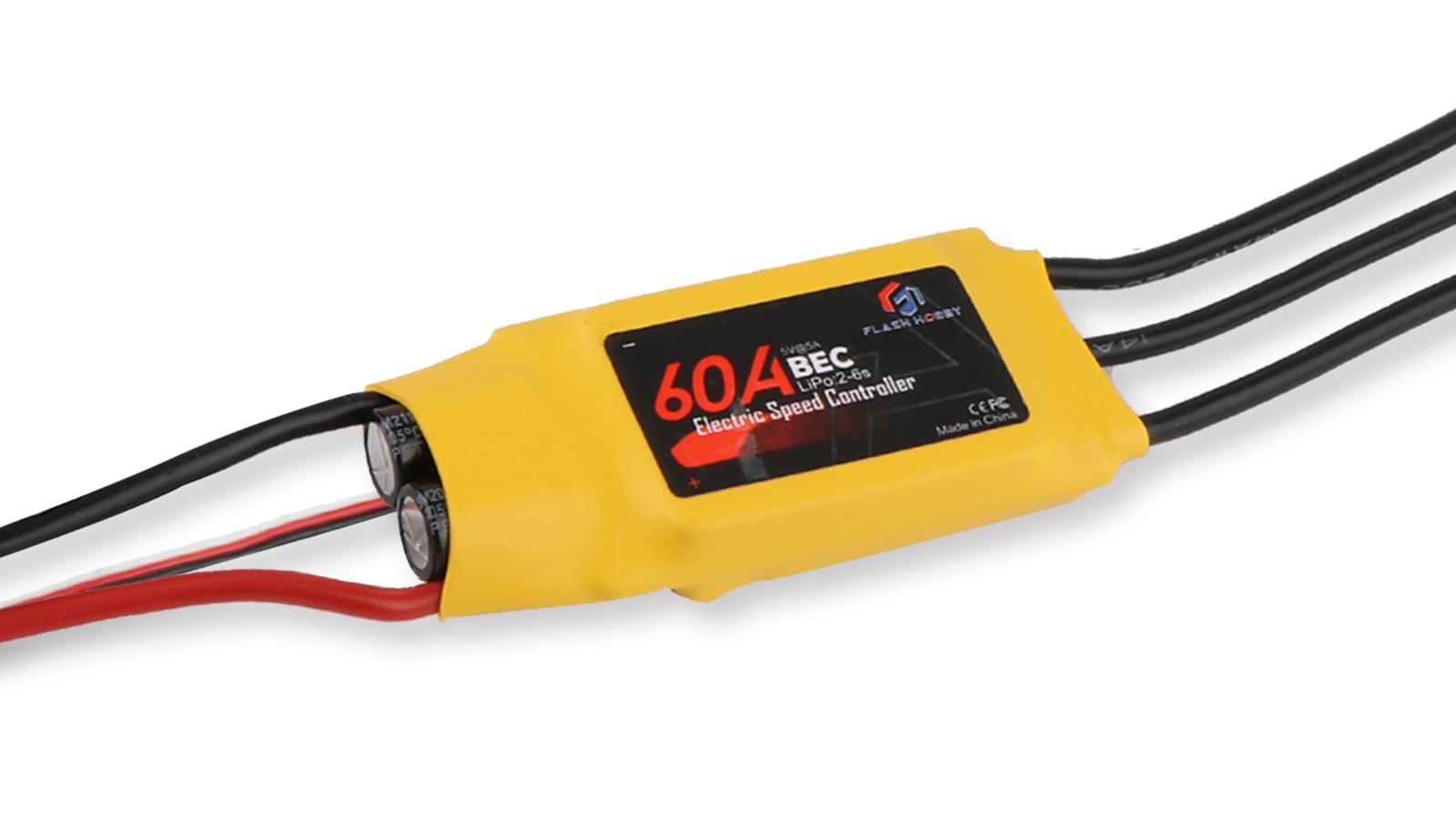
Automated Guided Vehicles navigating Toyota-affiliated assembly plants utilize our 40A and 60A ESCs. These units provide smooth start-up torque, precise low-RPM velocity regulation, and regenerative braking to extend vehicle battery life.
UAVs inspecting regional infrastructure and coastal wind farms out of the Port of Nagoya use our waterproof outrunner BLDC setups. They offer telemetry feedback (voltage, current, temperature, RPM) over DShot protocols to prevent failure mid-flight.
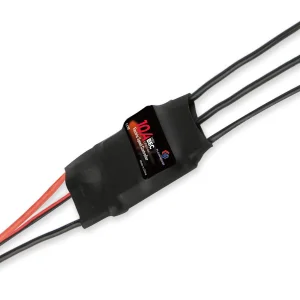
Precision climate chambers and research laboratories in Nagoya rely on our Spaceman series ESCs to drive environmental control fans, maintaining strict temperature ranges while keeping electromagnetic noise down.
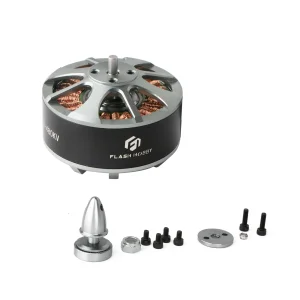
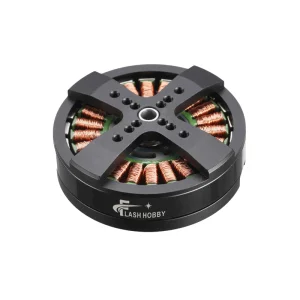
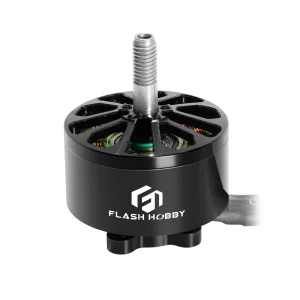
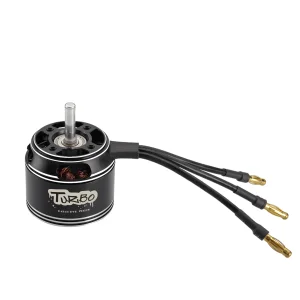
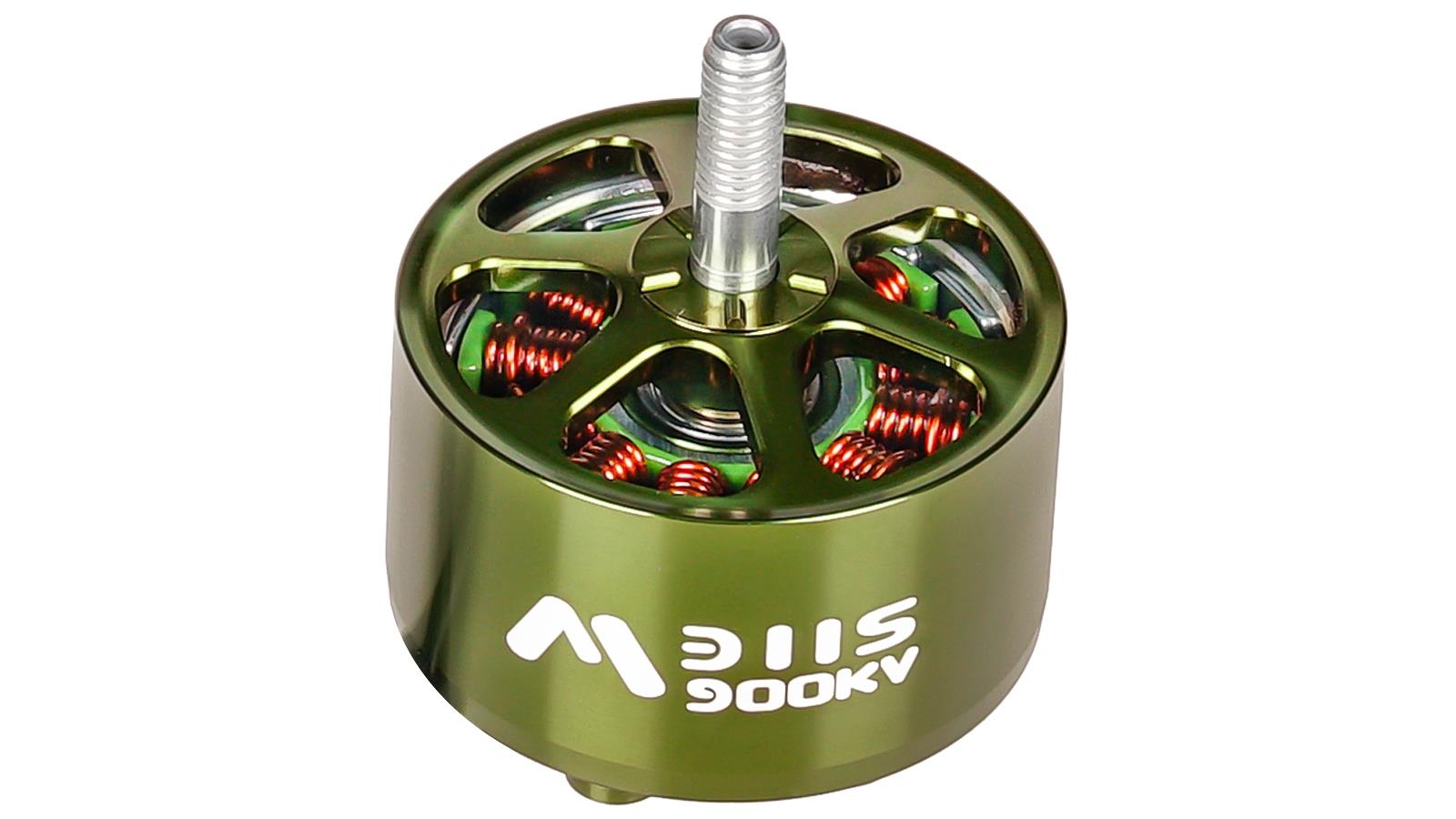
High-torque outrunners and low-noise stabilizers designed to match our ESC controller profiles.
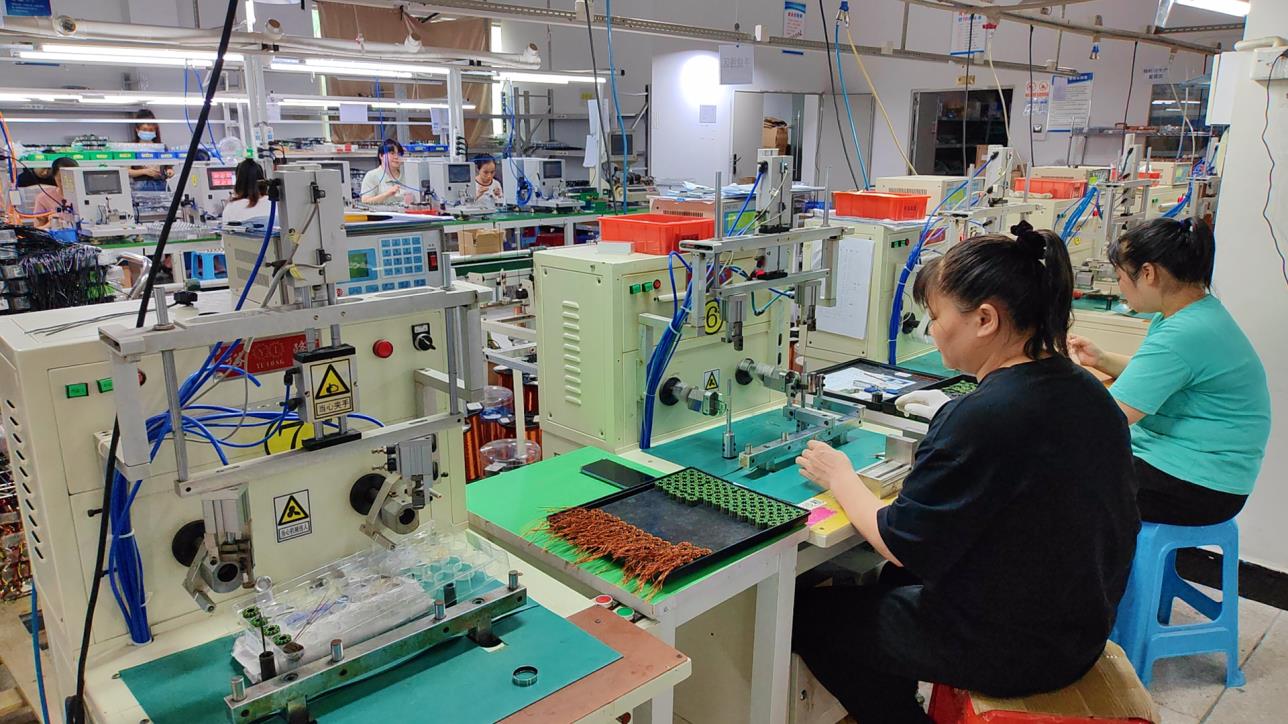
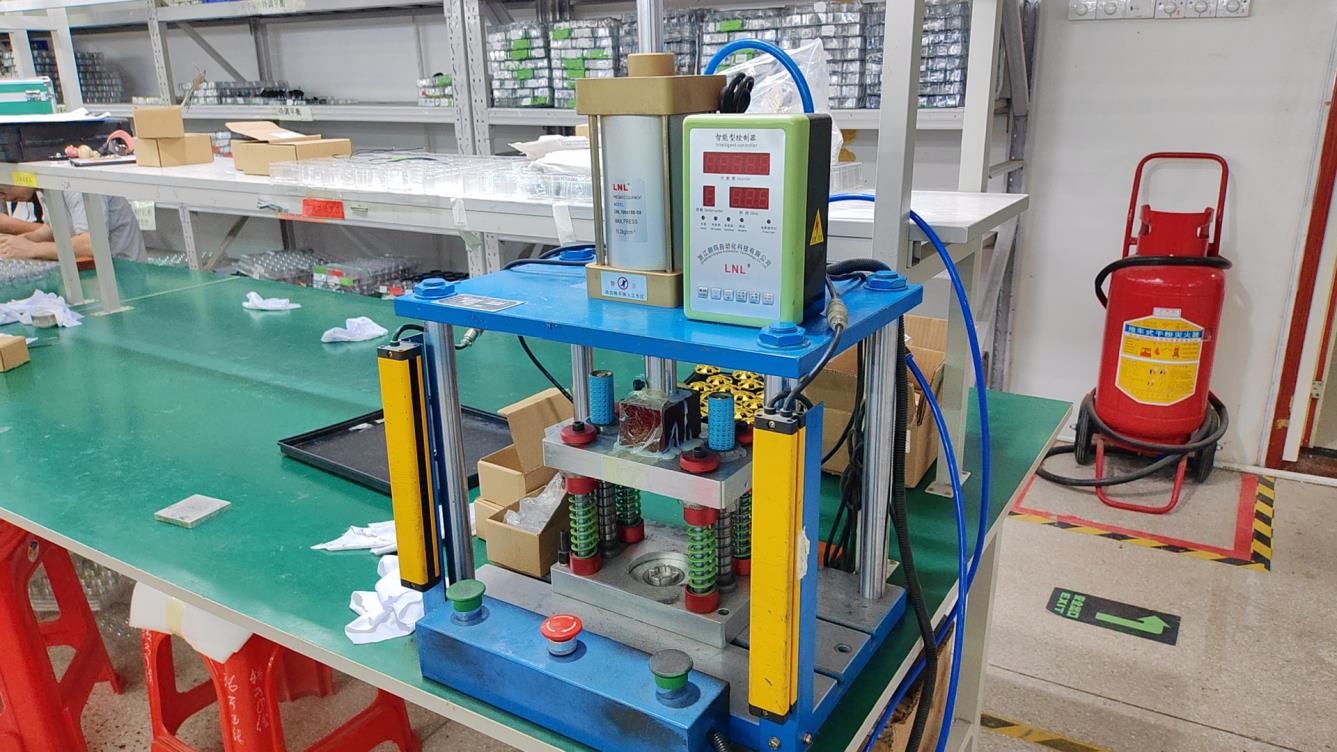
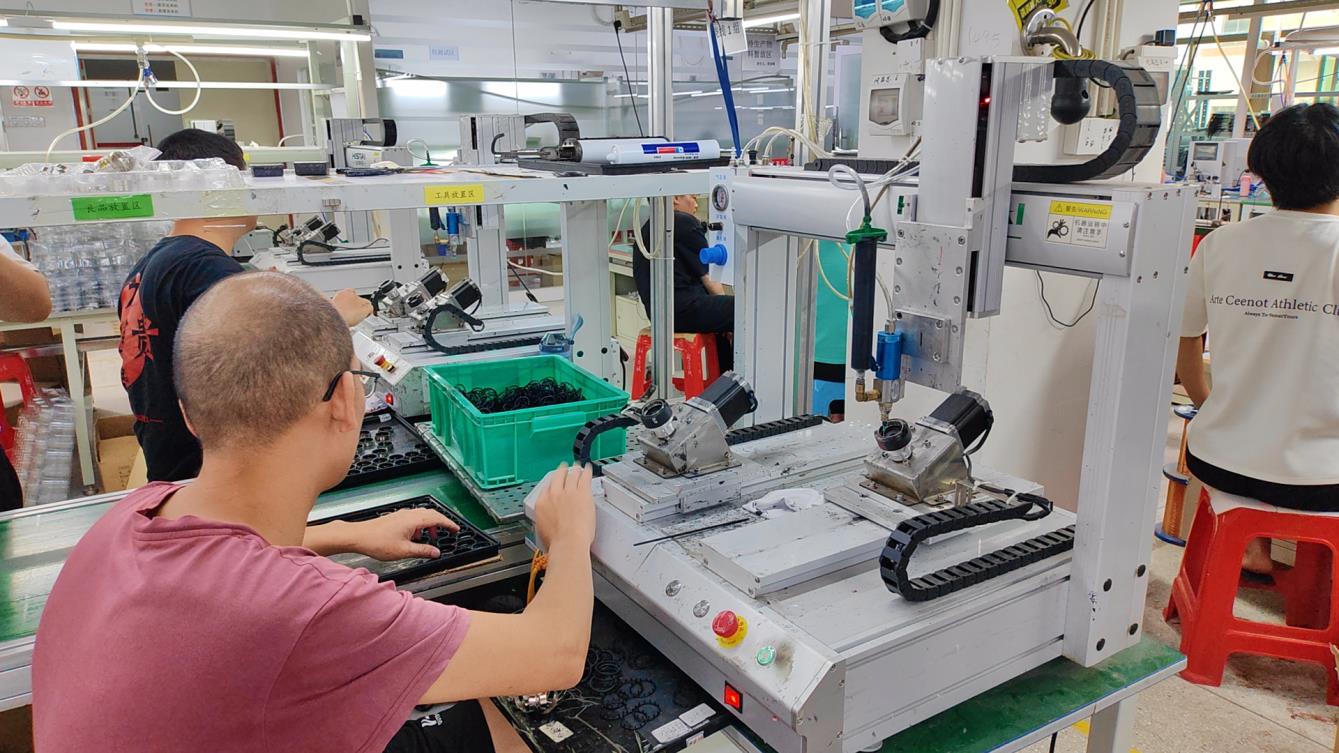
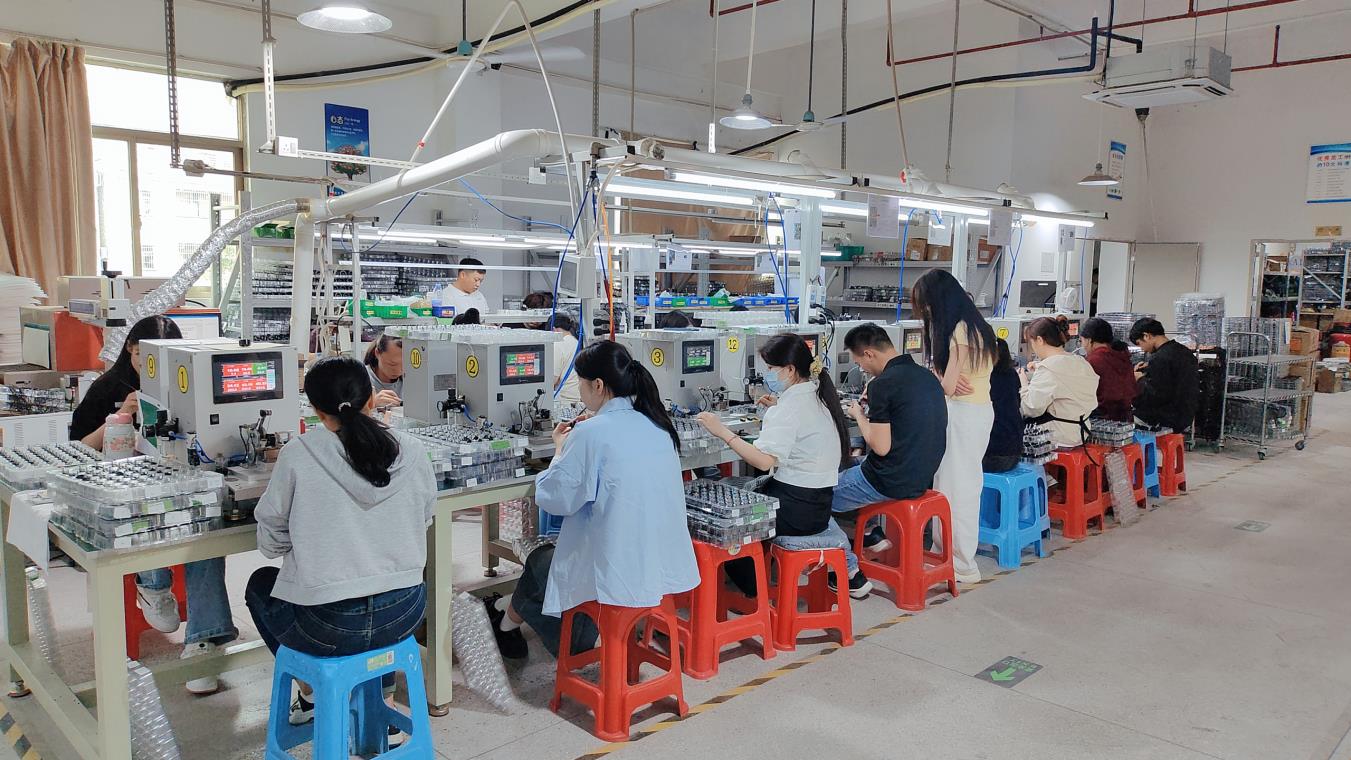
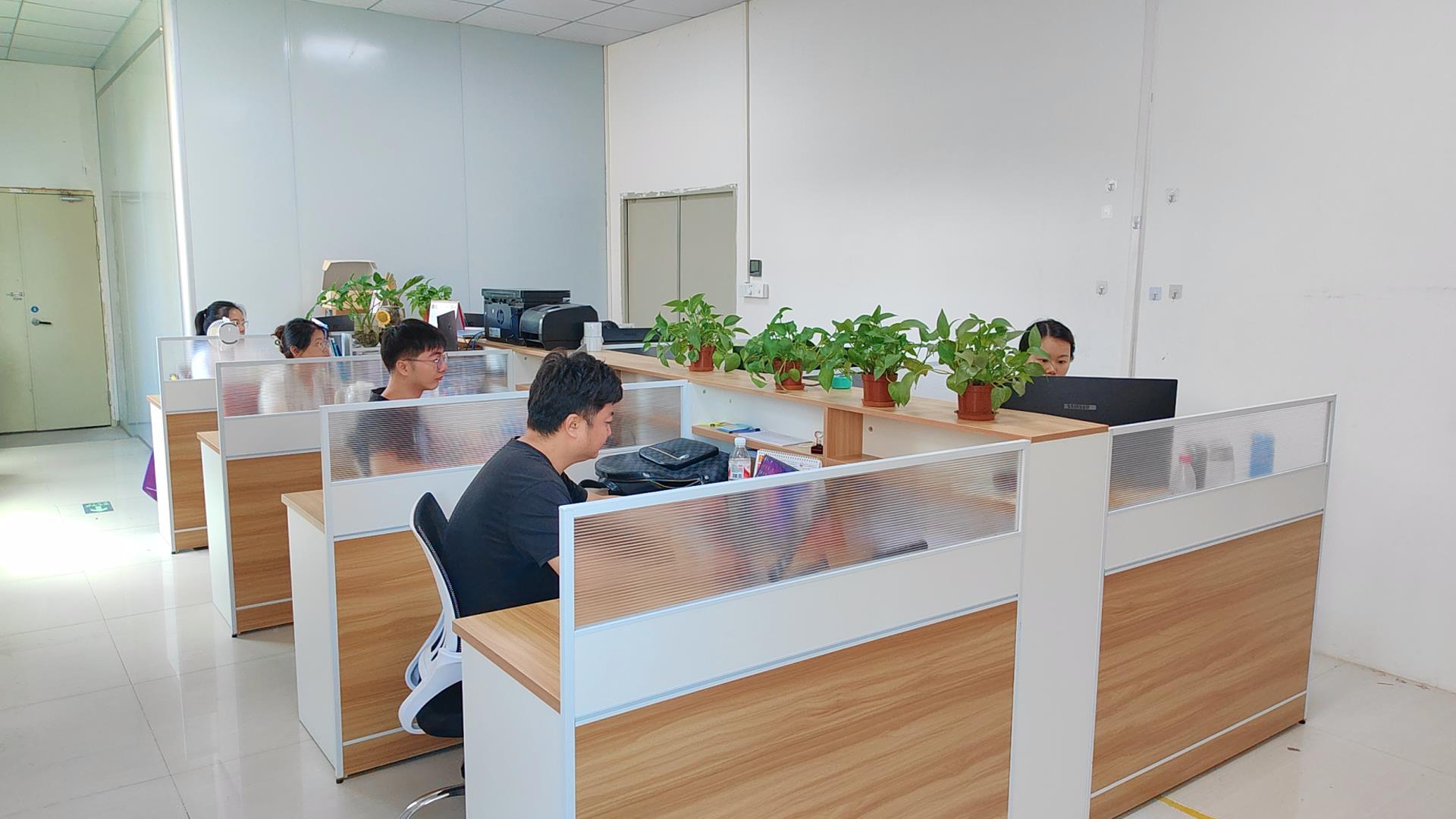
Inside our state-of-the-art facility where reliability is manufactured through strict ISO standards.
At Huizhou Yaftech Motor Co., Ltd., we believe that the heart of every great machine is a reliable motor and drive controller. As a premier China DC motor manufacturer, we have spent over 10 years specializing in the design, customization, and mass production of high-performance DC and brushless motor solutions for global industries.
From our manufacturing facility in China, we control the entire lifecycle of production—from initial R&D and rapid prototyping to strict ISO-certified quality testing and high-volume delivery. We partner with OEM buyers, engineers, and supply chain managers worldwide to solve complex motion control challenges with cost-efficient, industrial-grade reliability.
Below is the detailed visual map of our production steps, highlighting our commitment to quality, starting from the inspection of raw electrical steel and neodymium magnets, through precise winding and dynamic balancing, to final packaging.
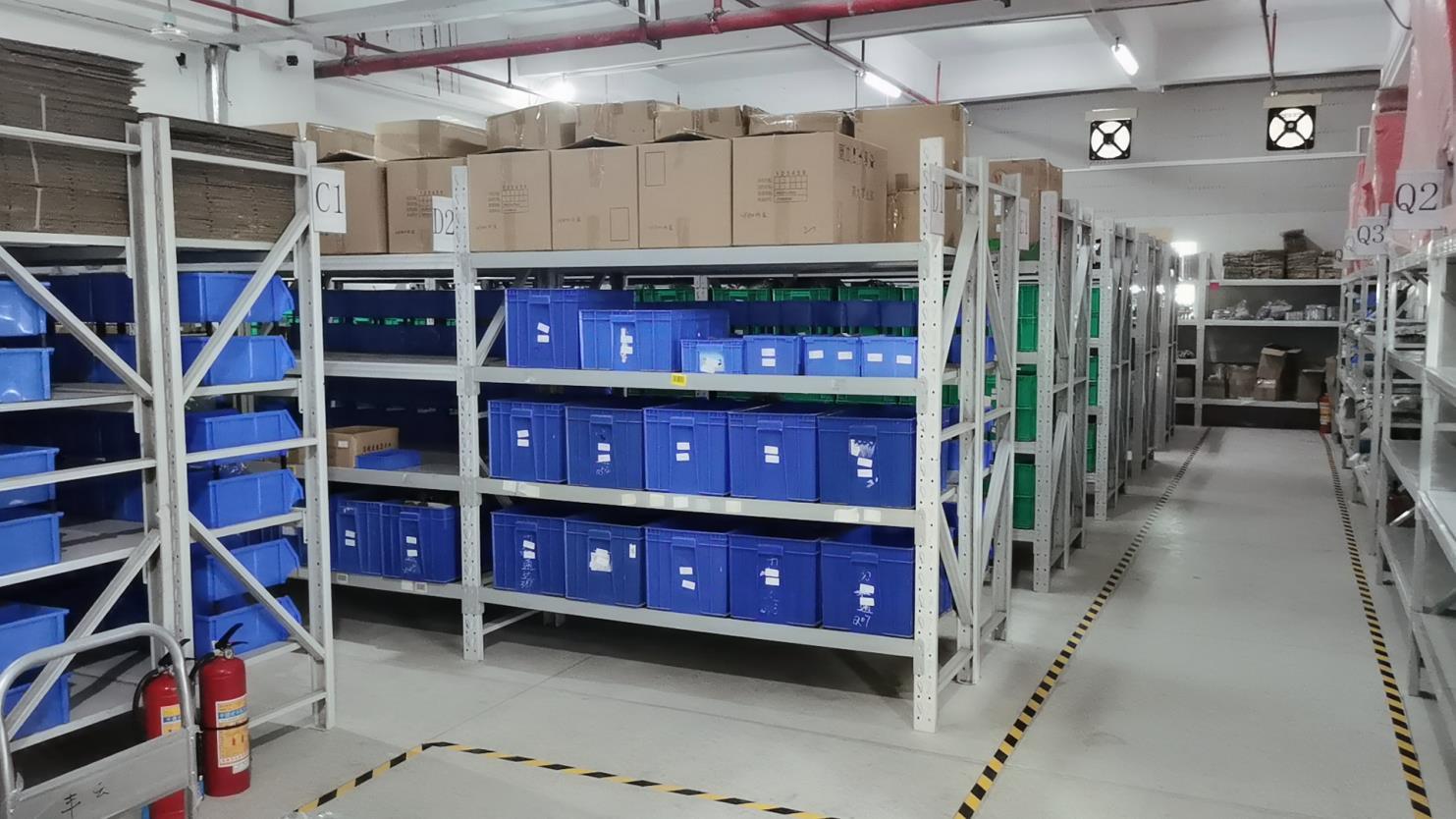
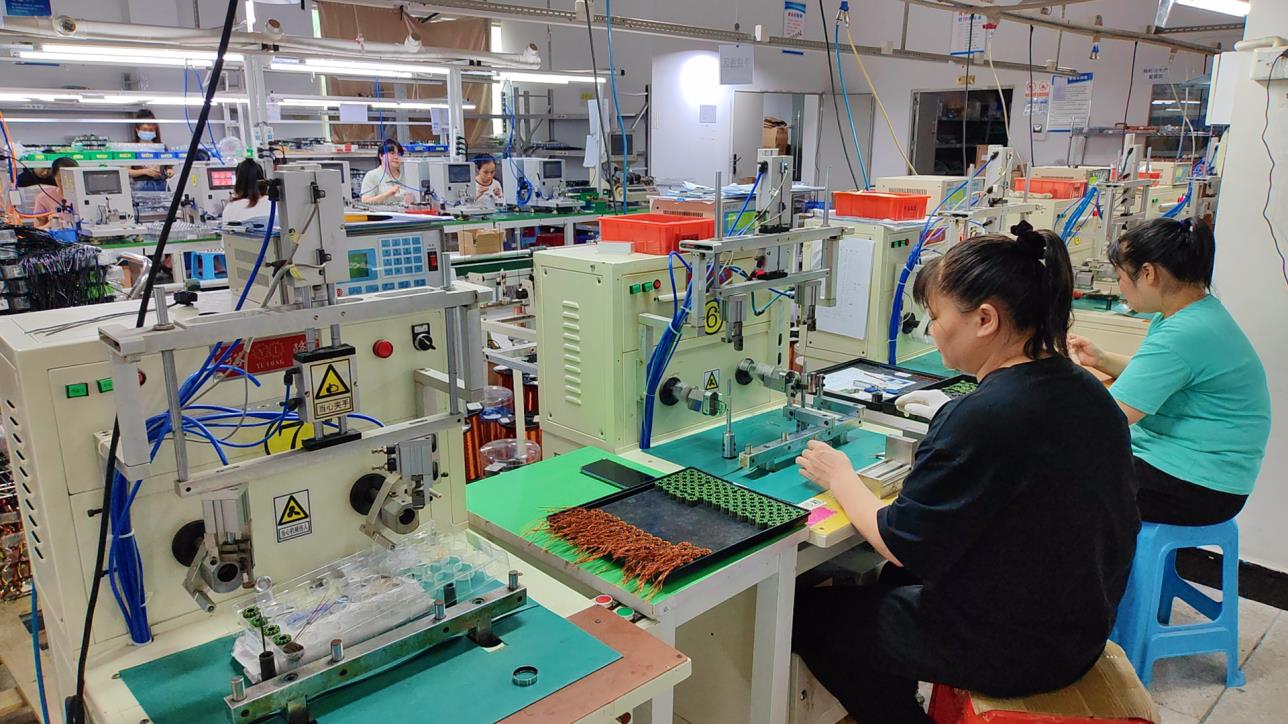
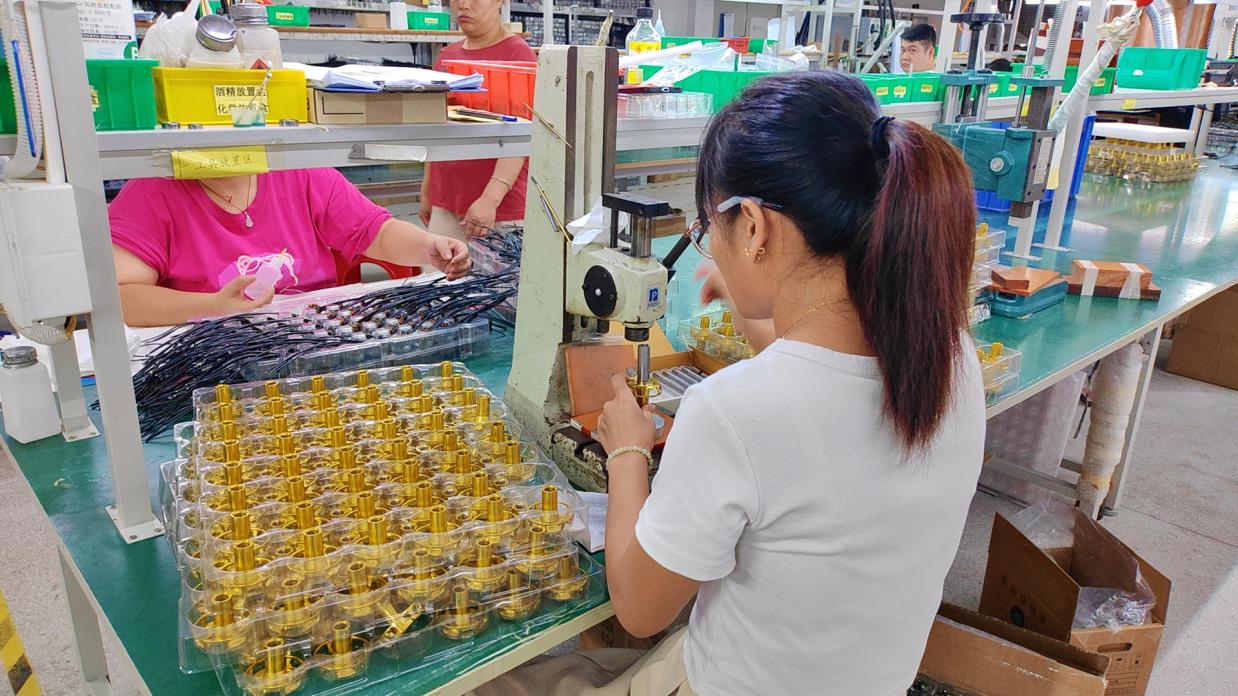
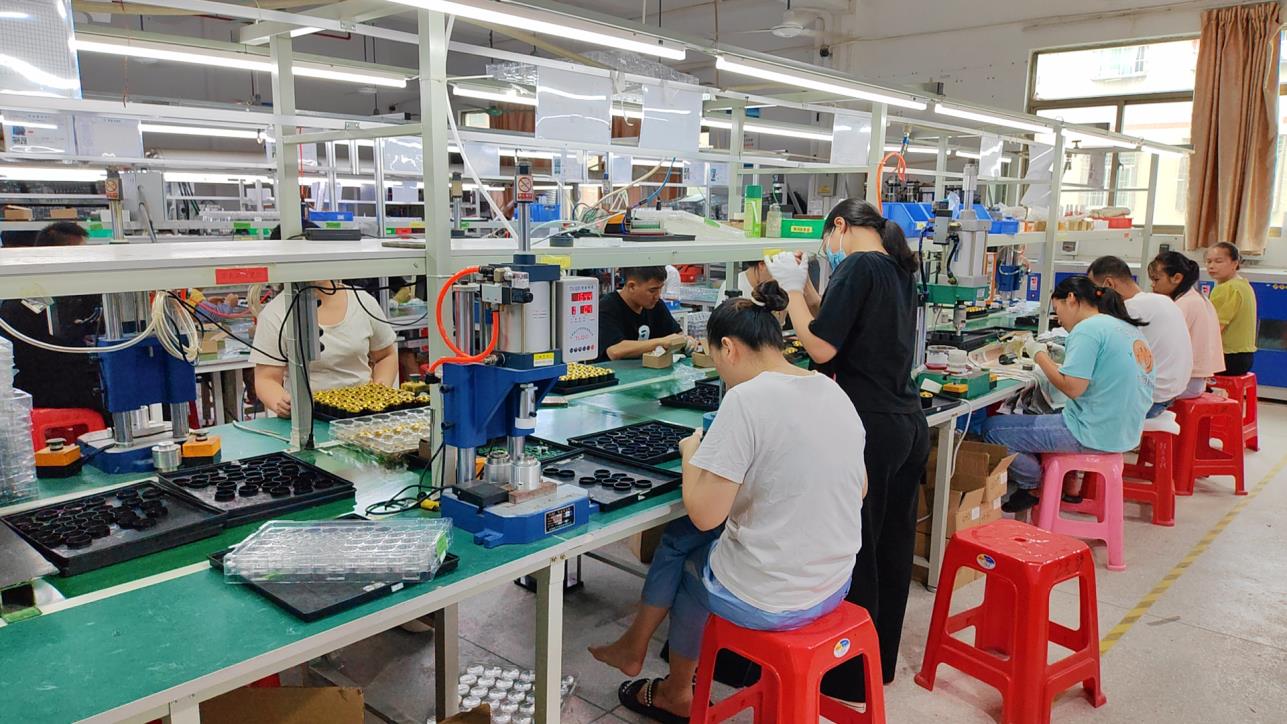
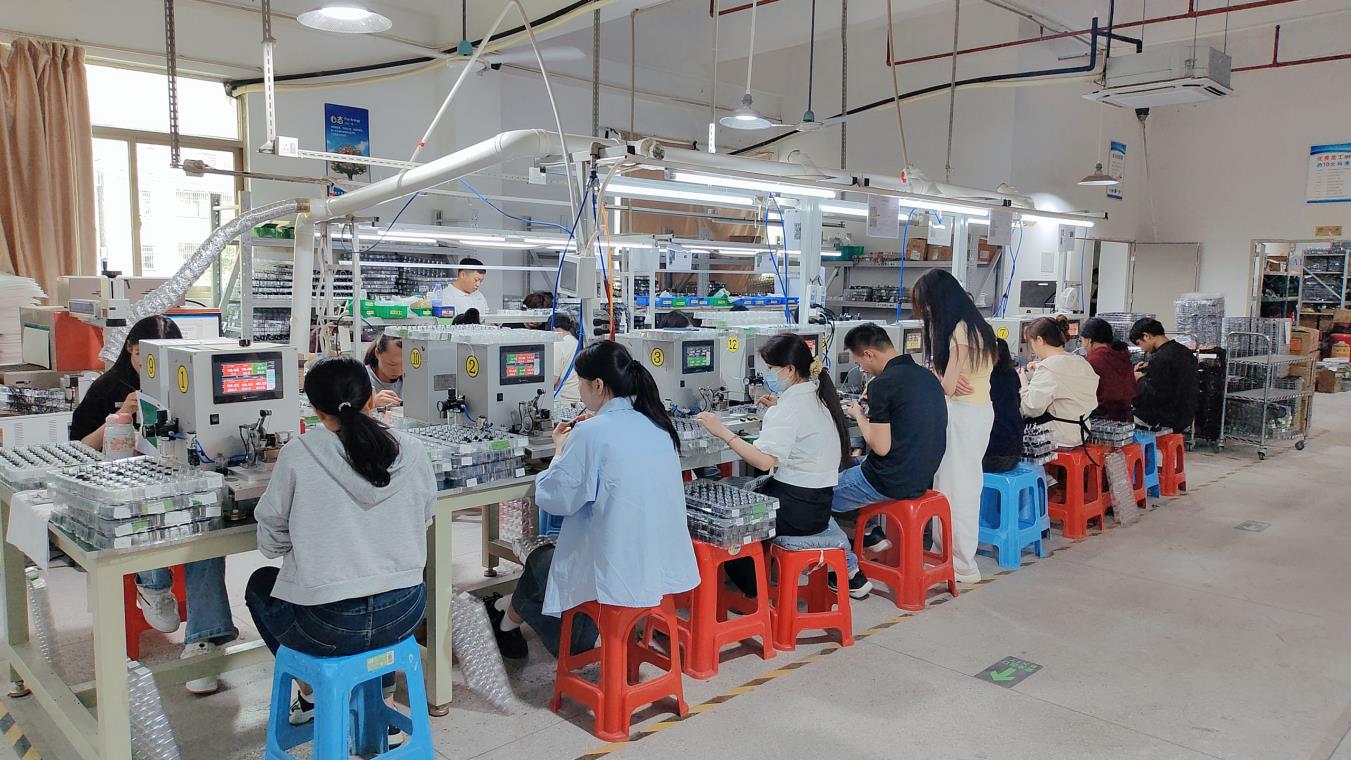
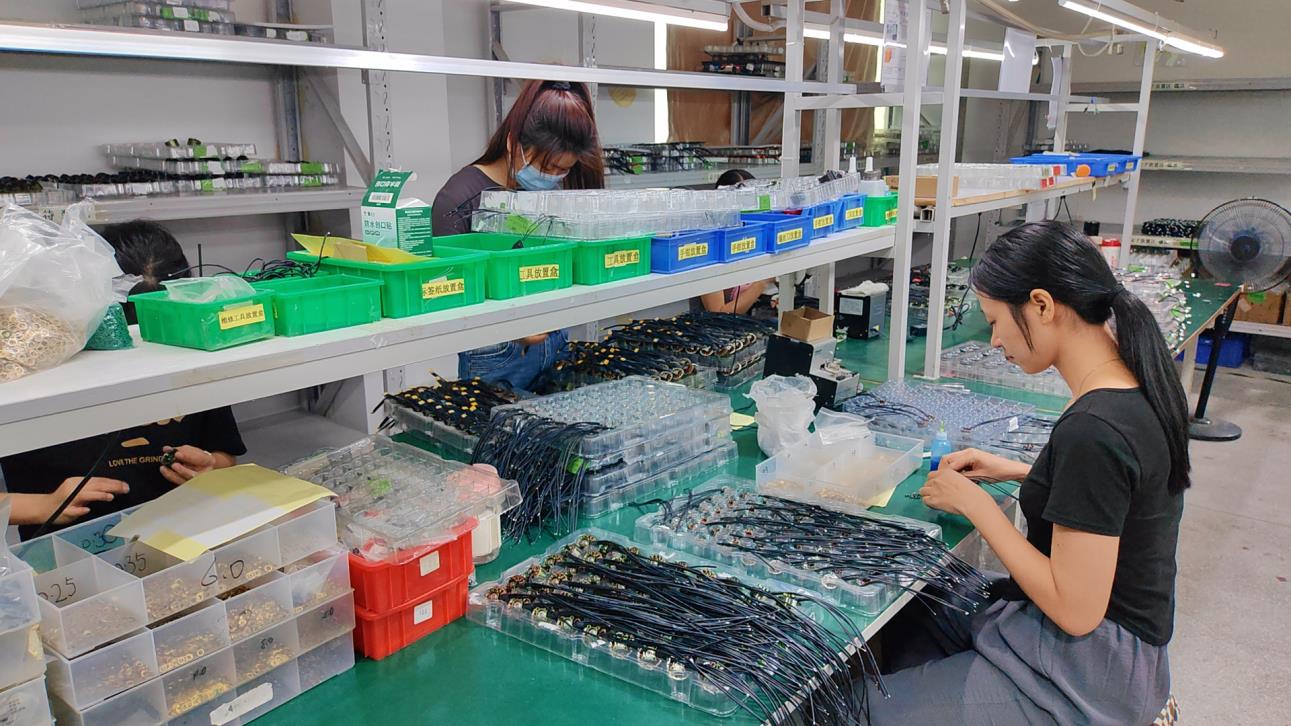
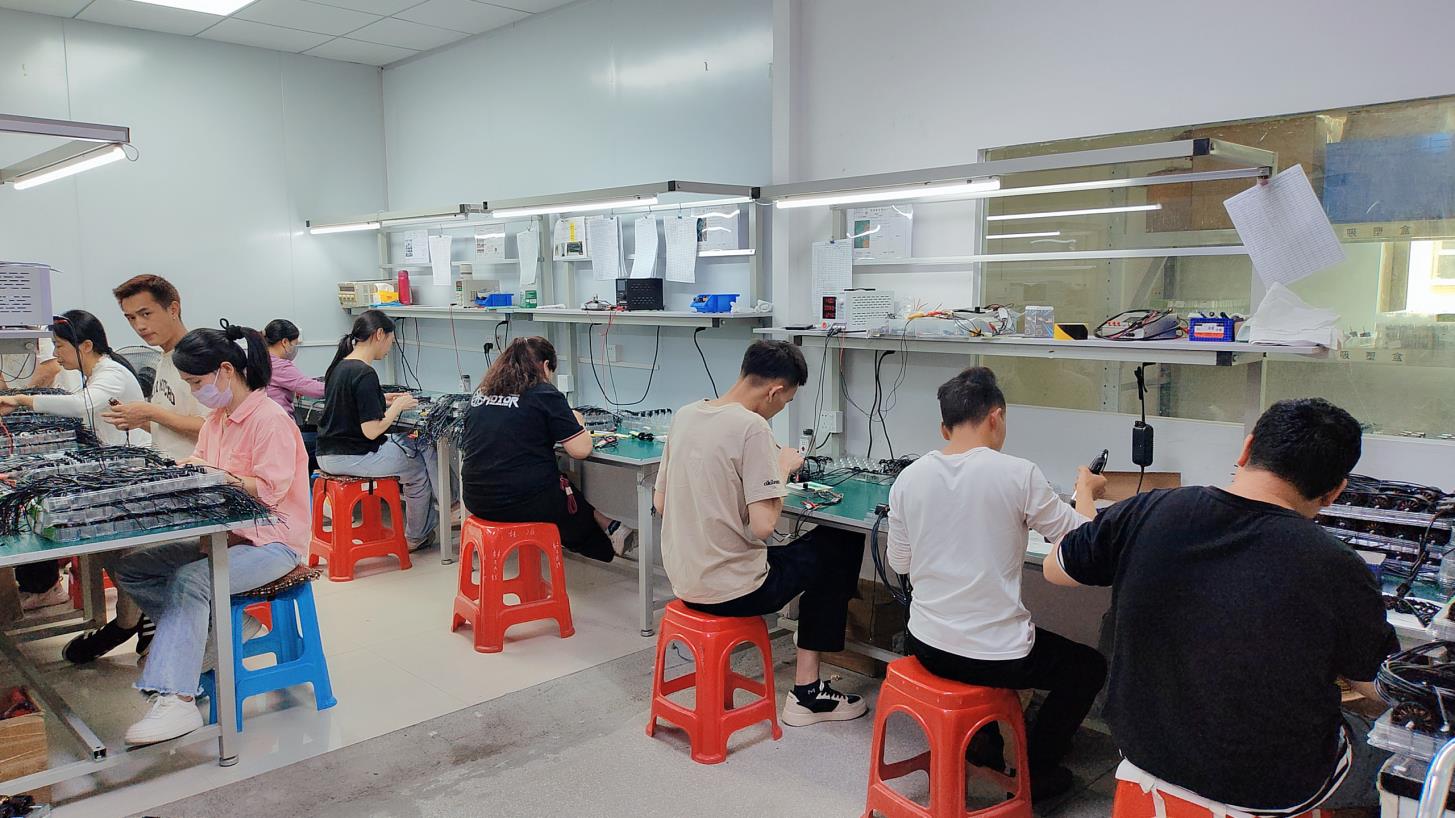
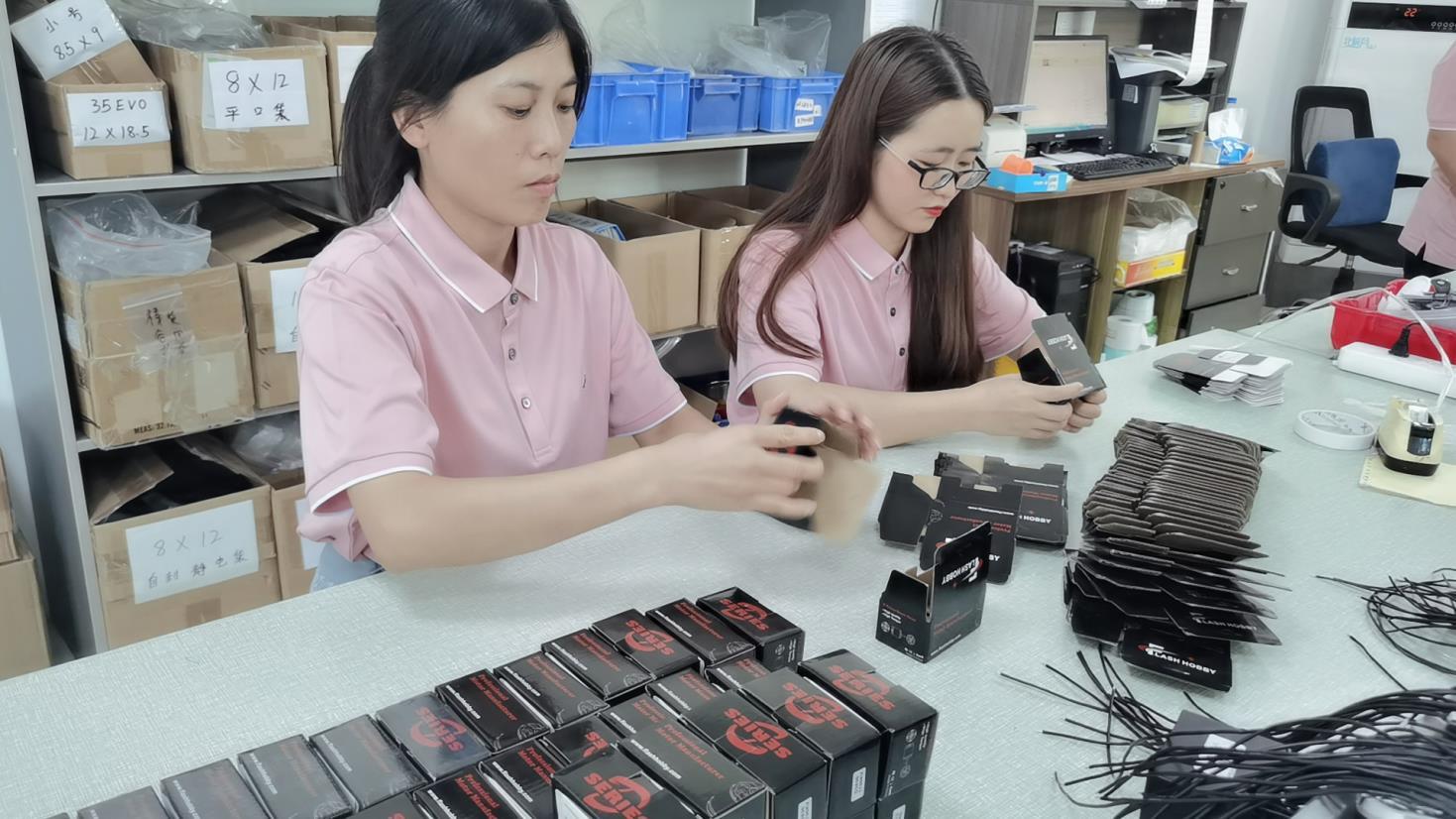
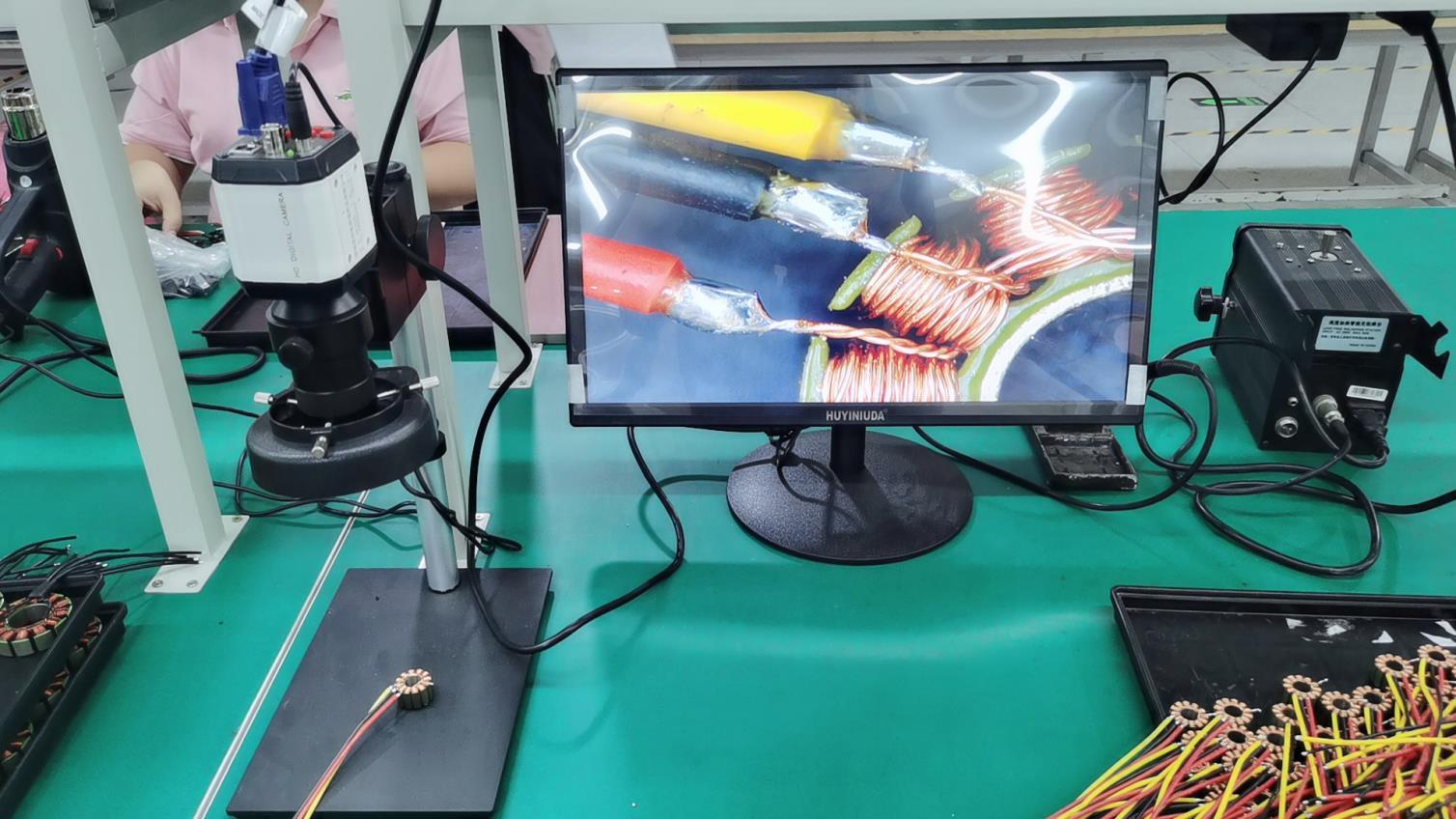
Our workshop is equipped with advanced pneumatic presses, automated dispensing systems, and precision dynamic balancers to ensure consistency and minimize human error across production runs.
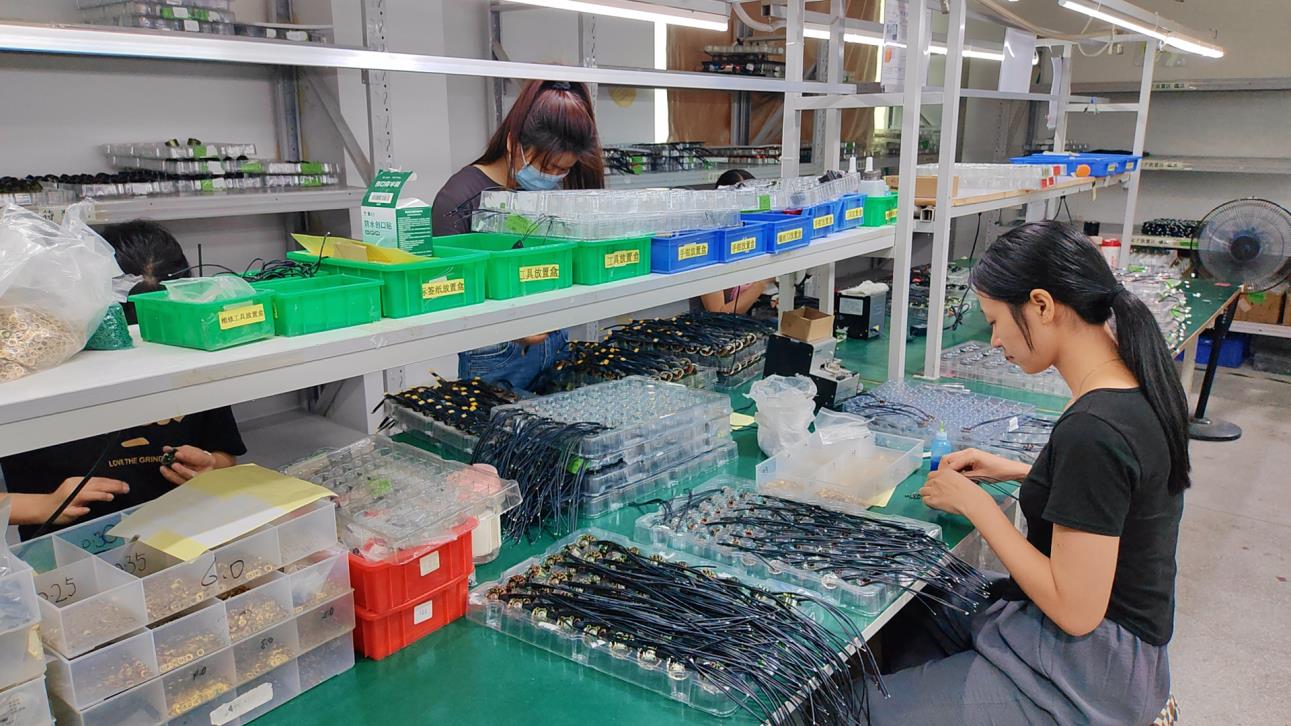
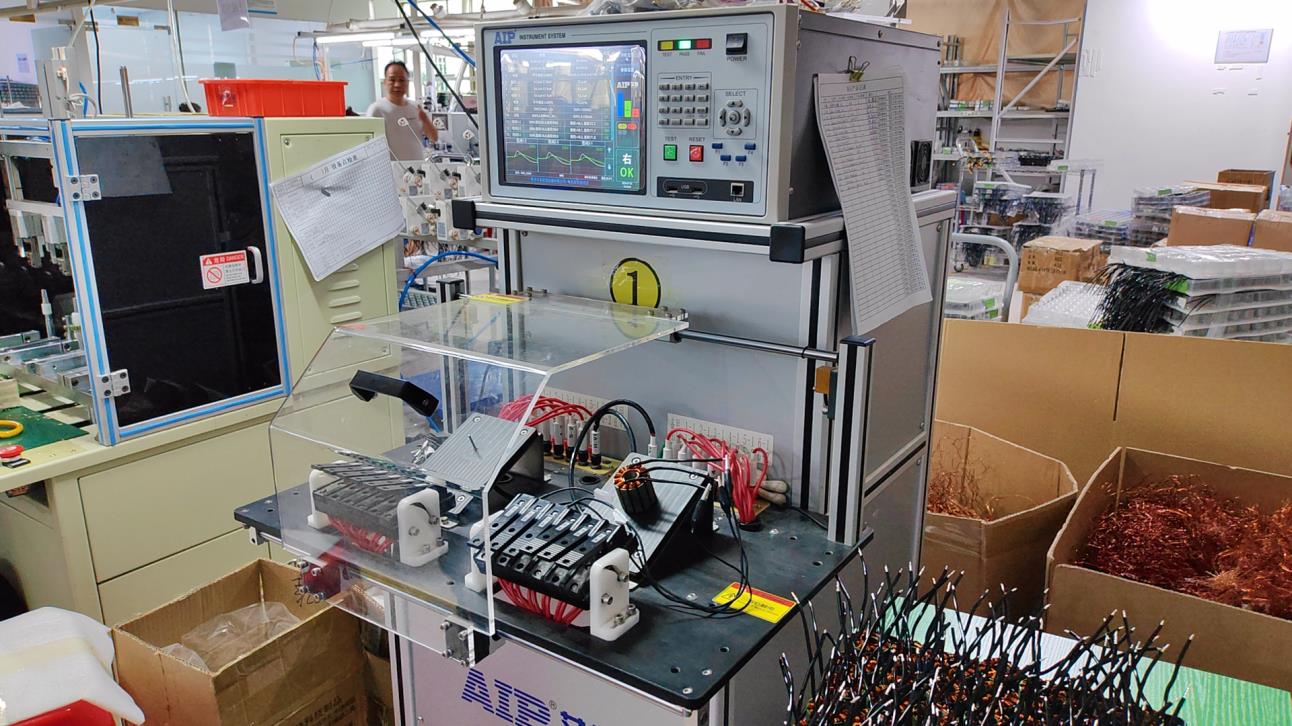
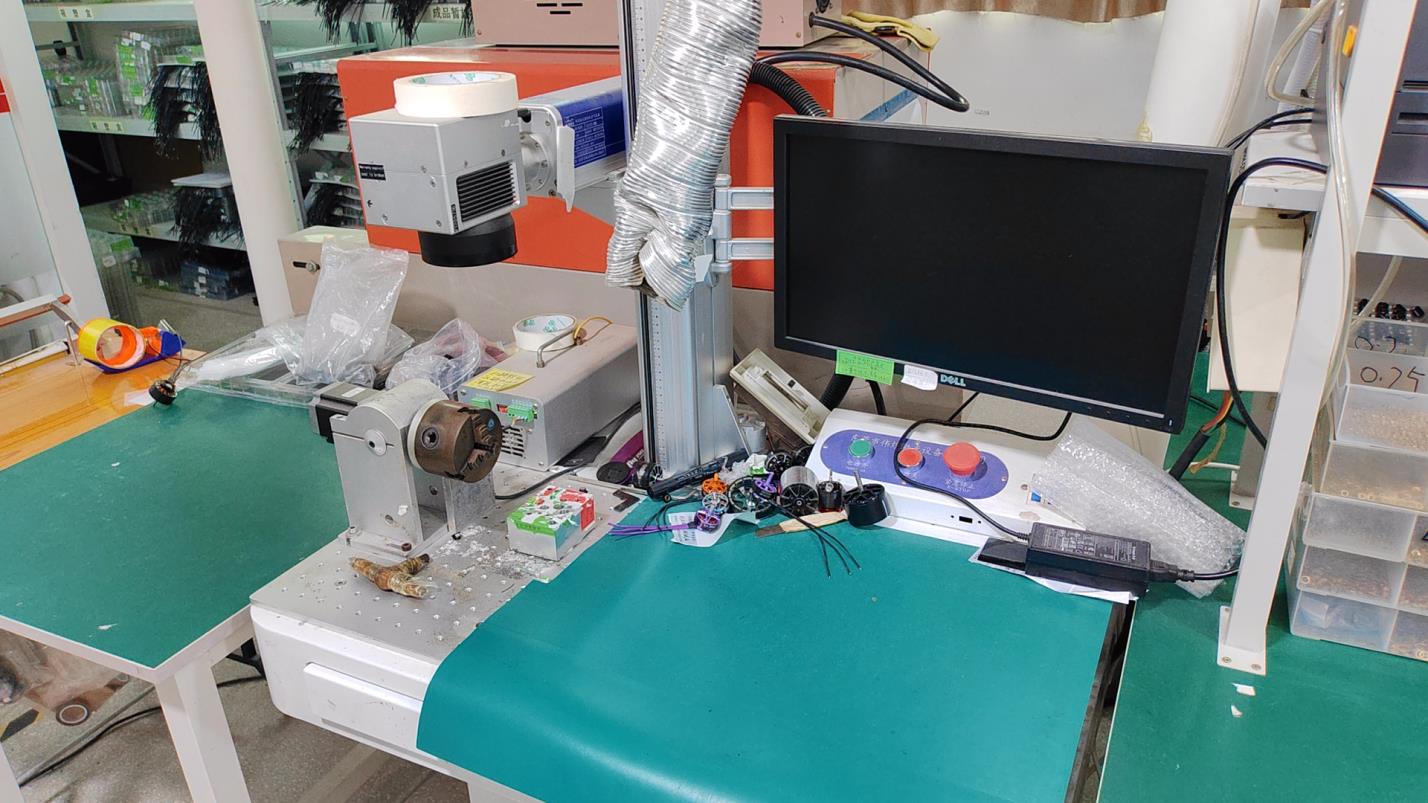
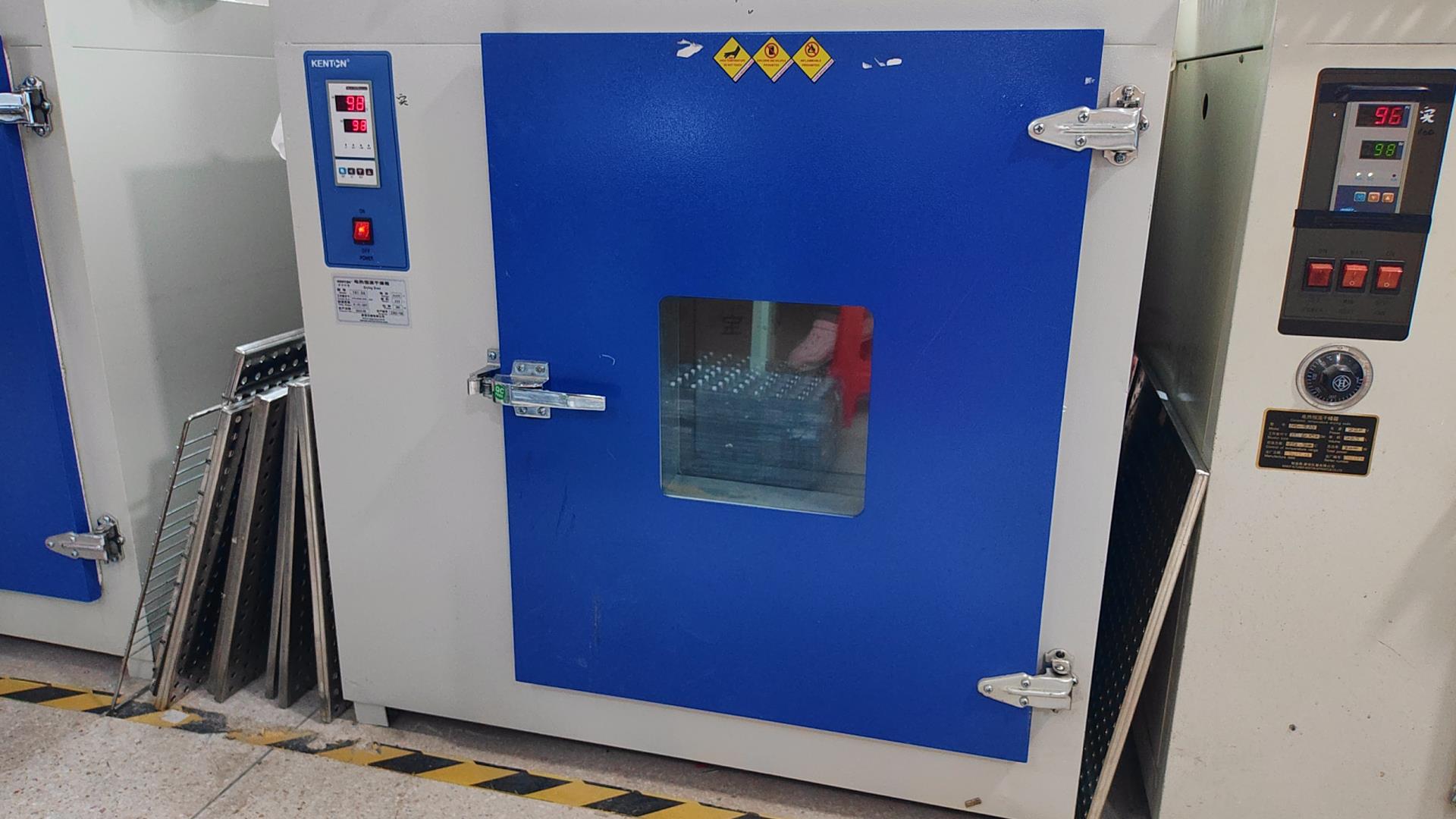
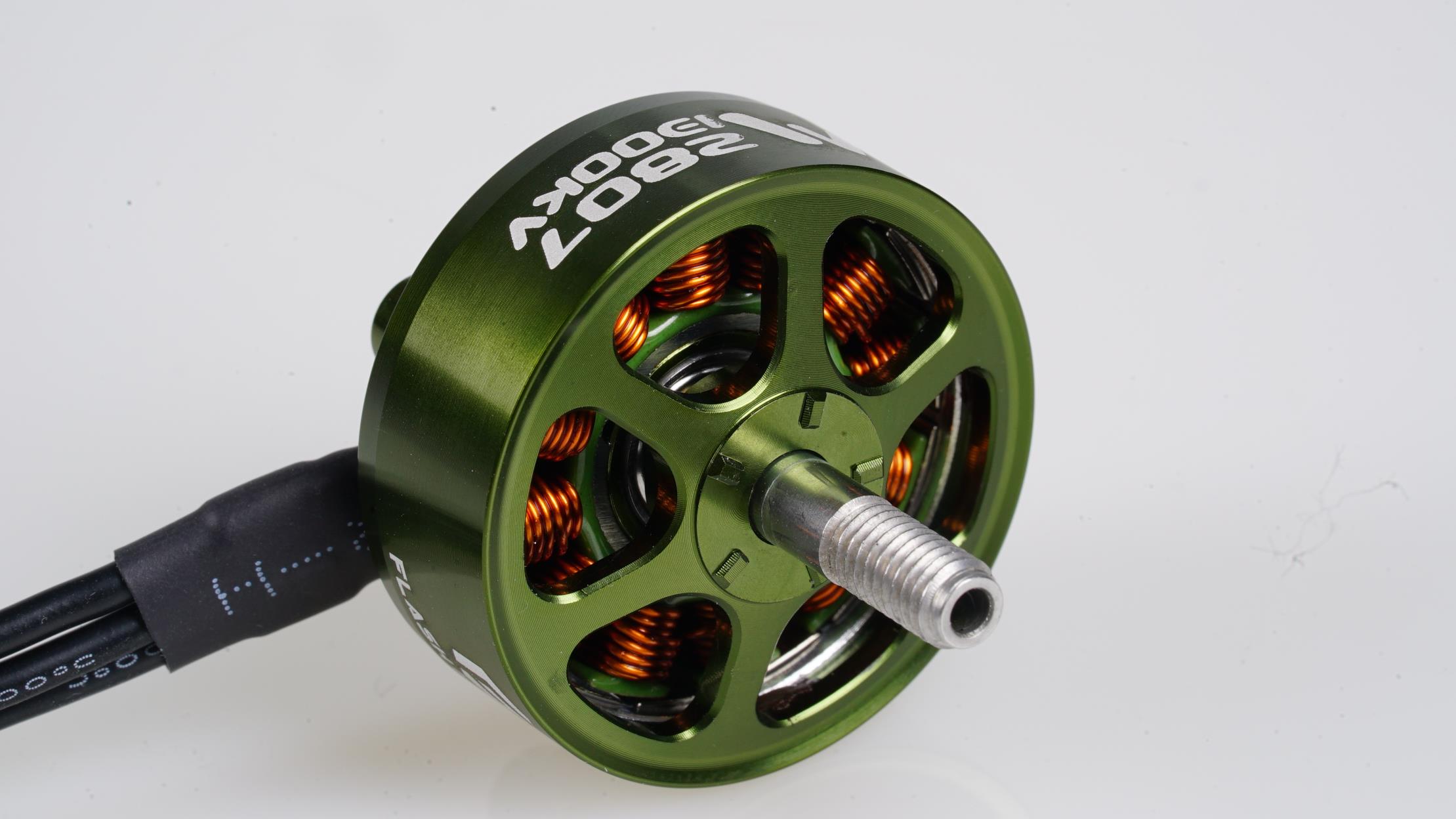
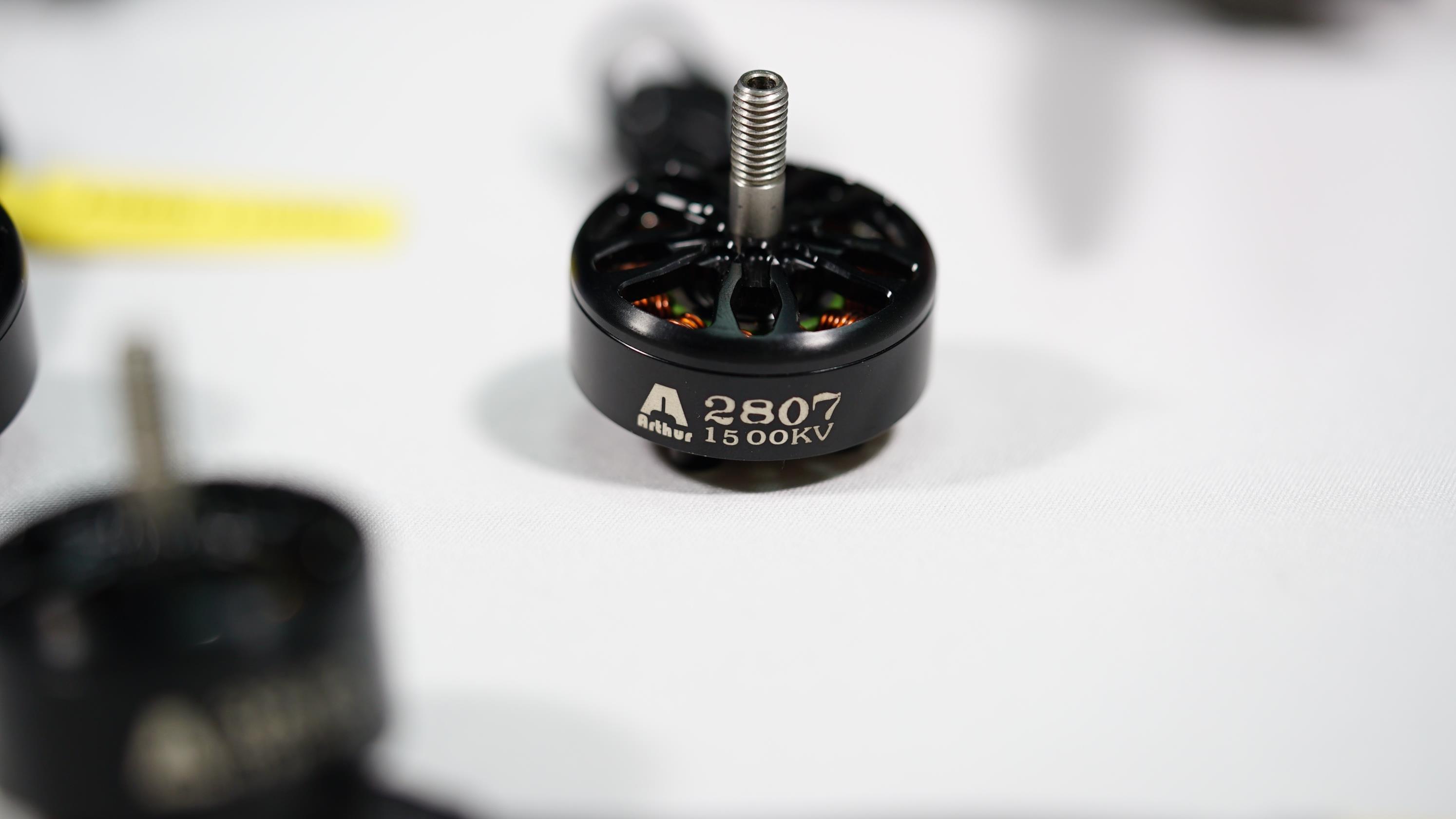
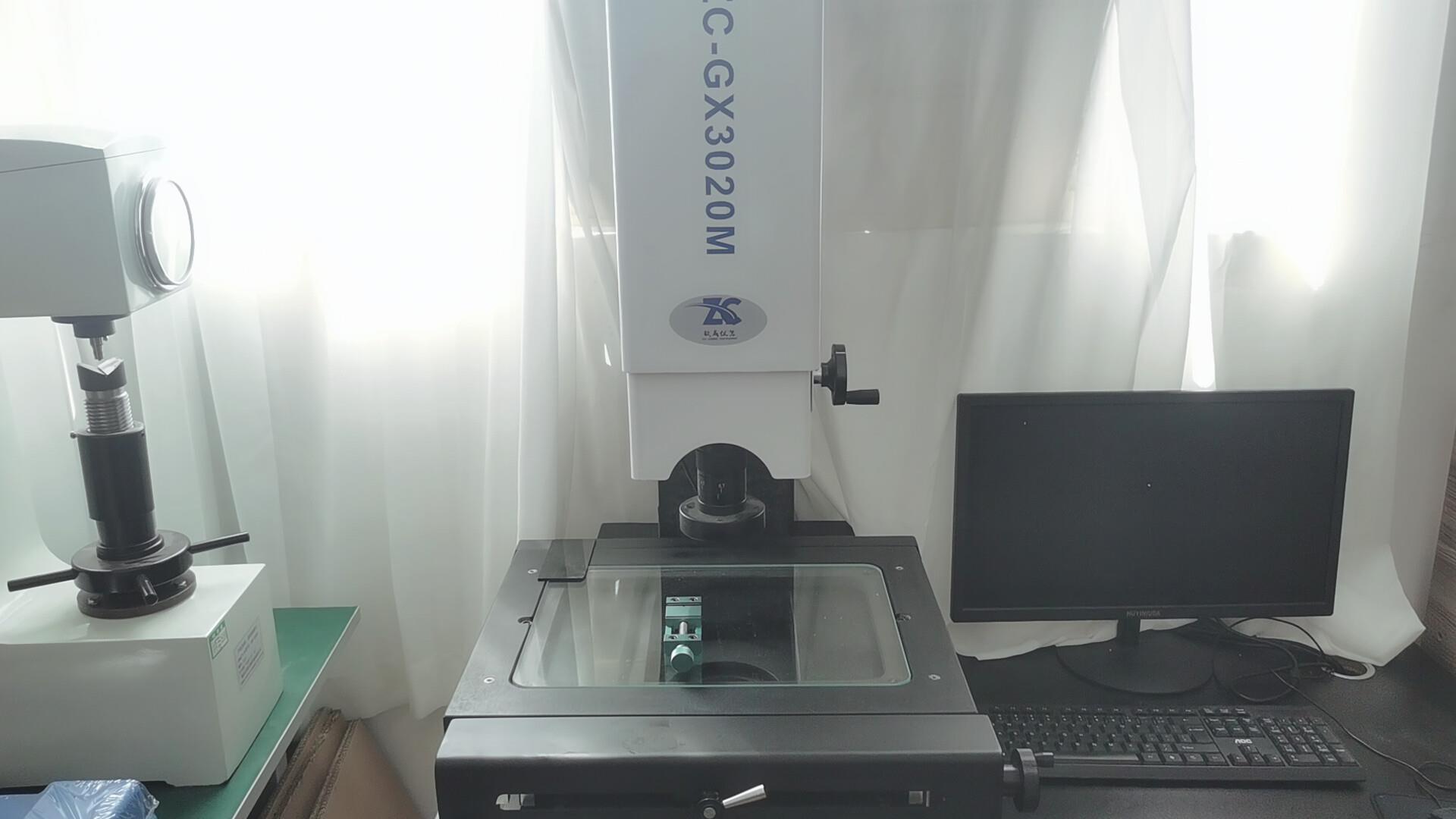
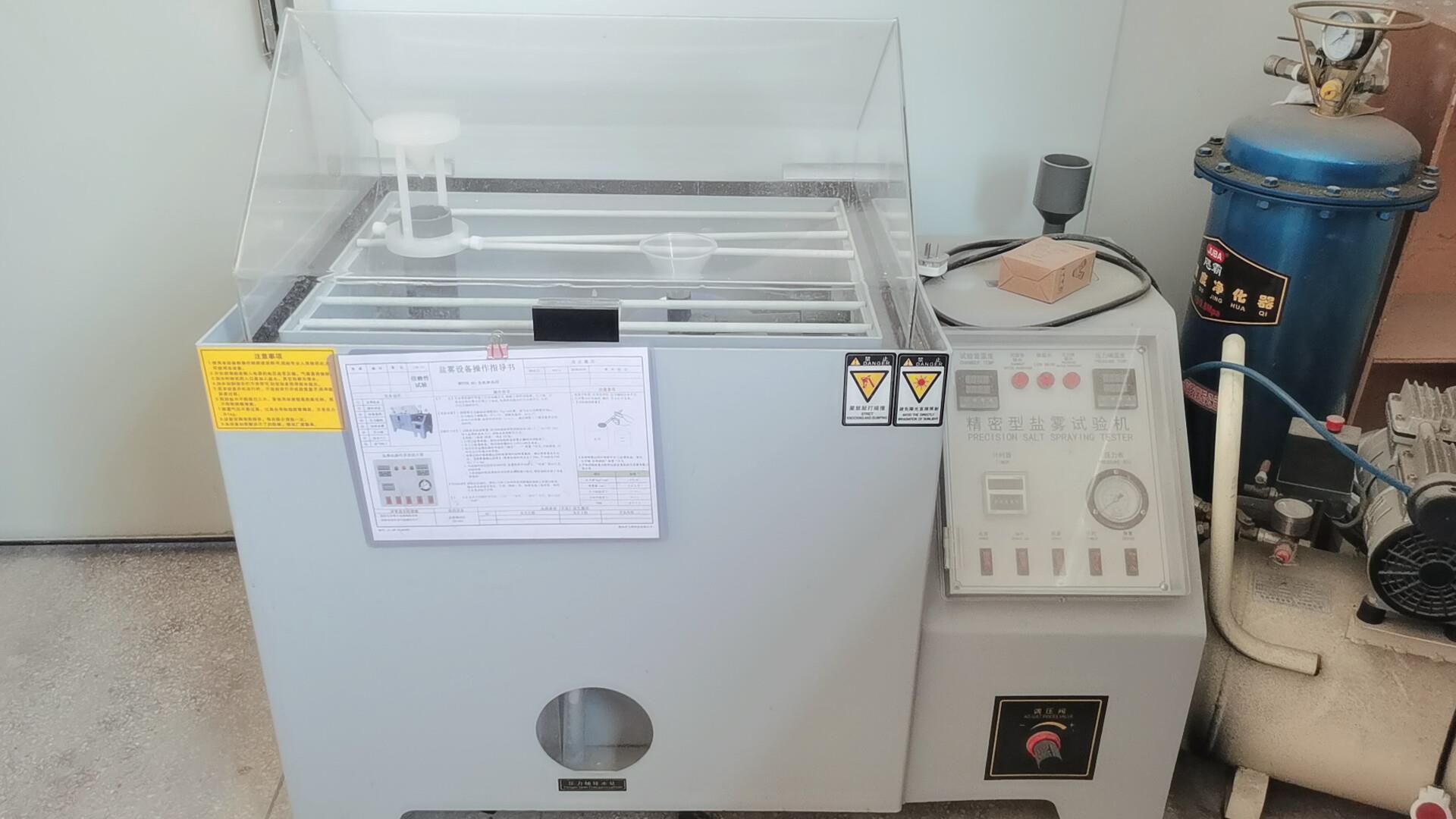
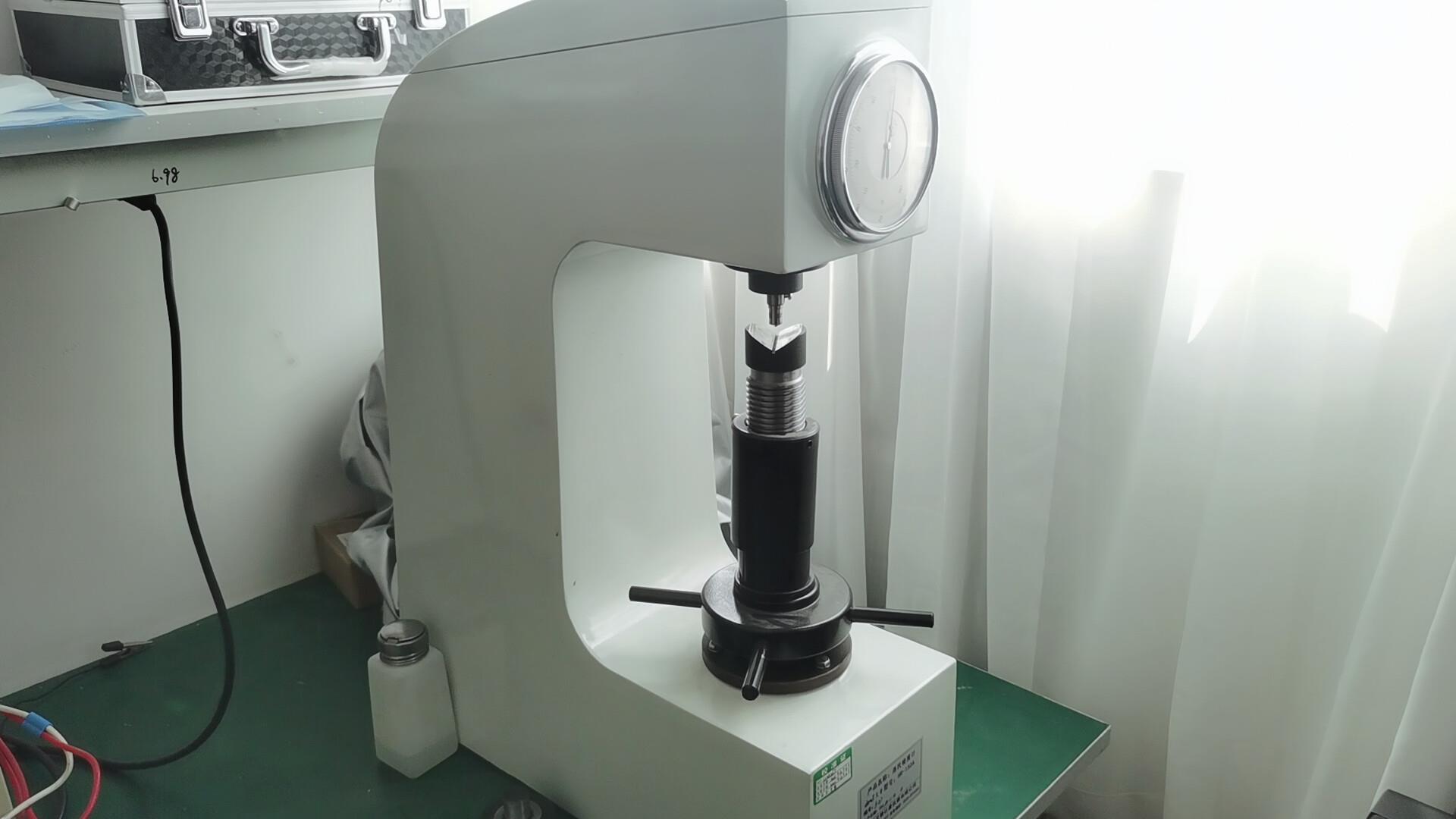
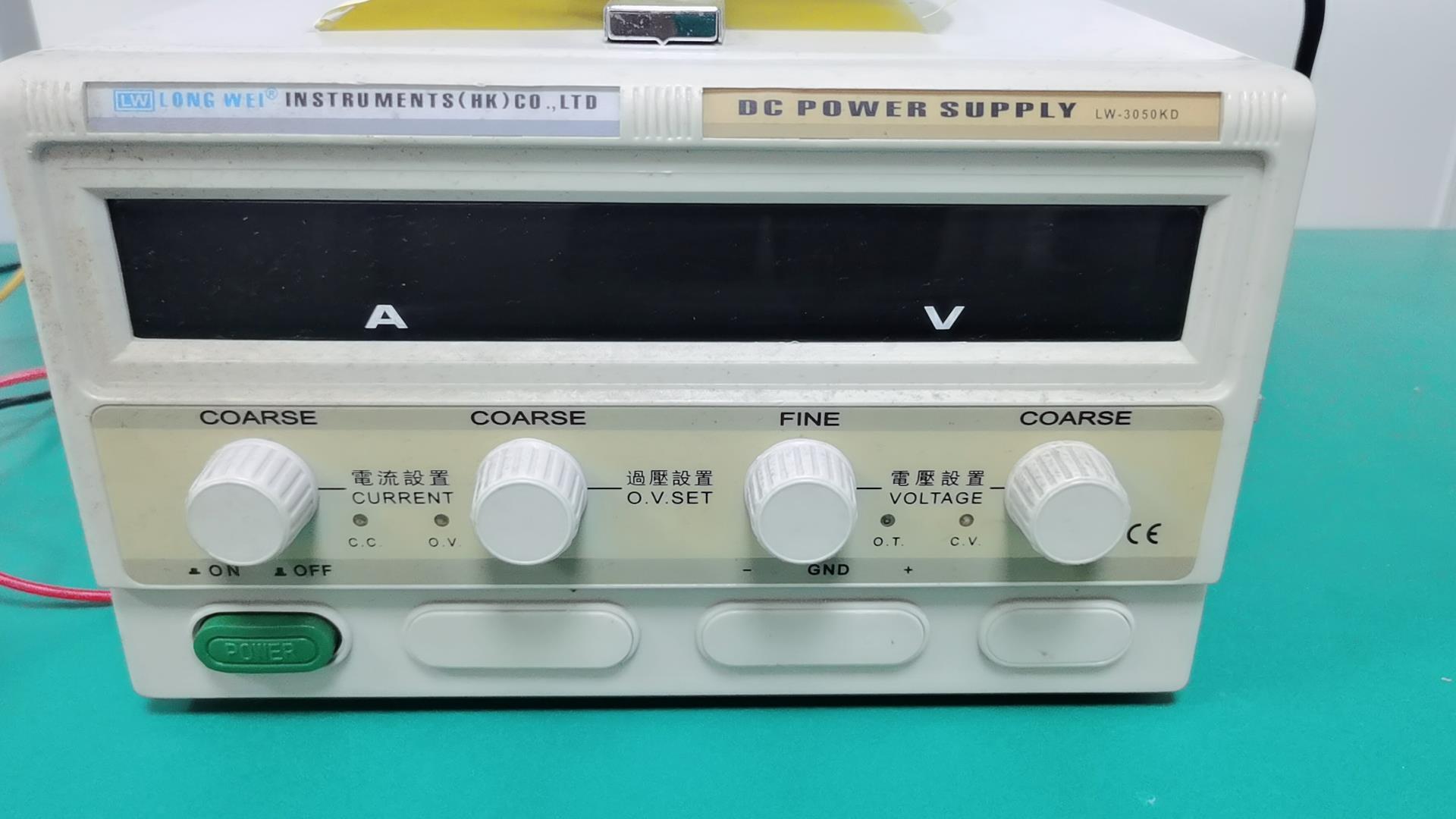
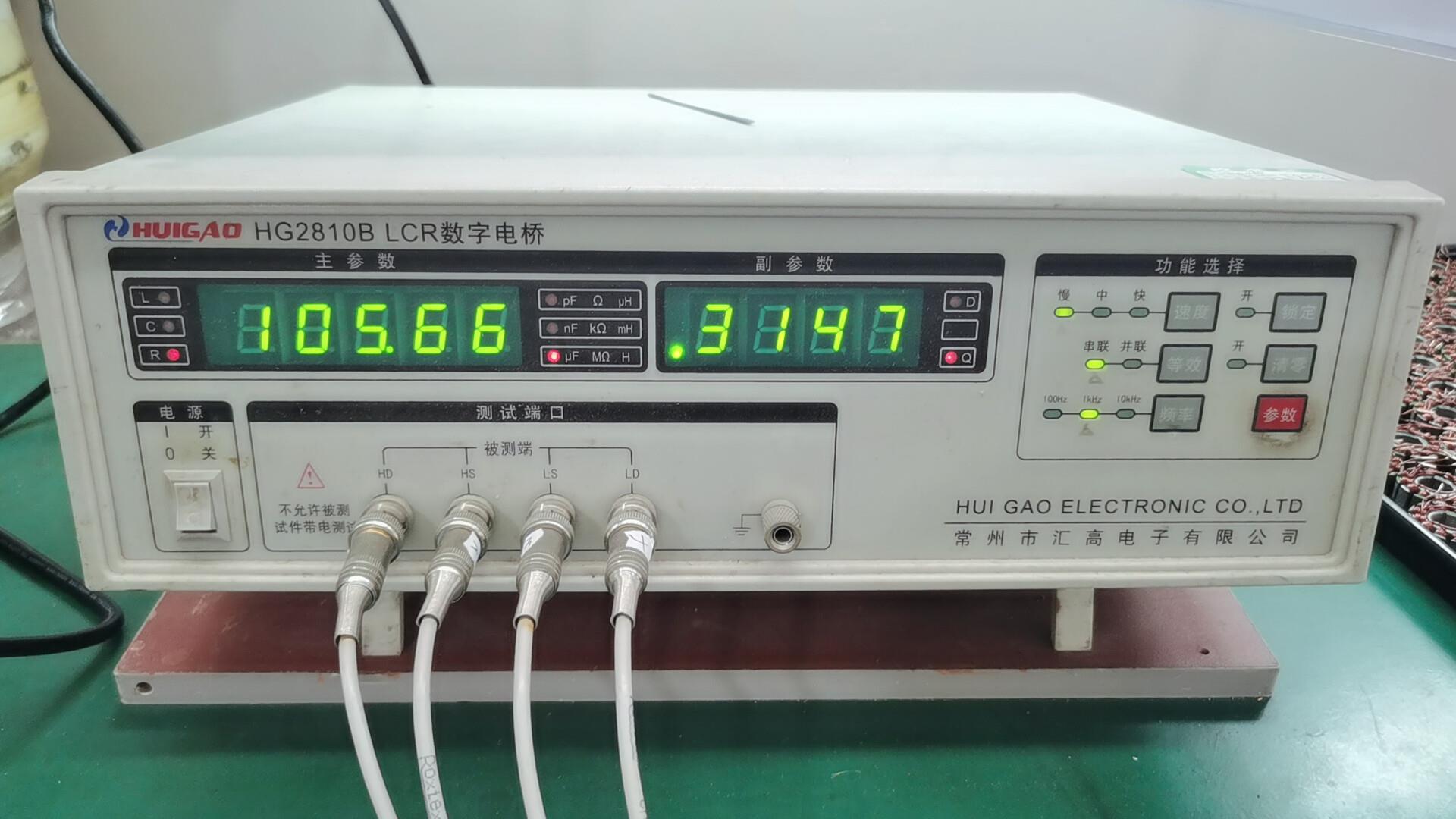
Our quality verification processes utilize specialized lab testing equipment. Every production batch is subjected to dimensional analysis, environmental simulation, and electrical load checks.
Exploring the next generation of motor drive technologies, Wide-Bandgap semiconductors, and IoT diagnostic capabilities.
The technical landscape of electronic speed controllers is evolving rapidly, driven by developments in semiconductor chemistry and digital control algorithms. As industrial automation systems demand higher power densities in smaller enclosures, traditional Silicon MOSFETs are reaching their theoretical limits. This is prompting a shift toward Wide-Bandgap (WBG) materials, specifically Gallium Nitride (GaN) and Silicon Carbide (SiC).
GaN and SiC transistors exhibit lower on-state resistance (R_DS(on)) and lower gate charge characteristics, allowing the ESC to switch currents at frequencies exceeding 100kHz without generating prohibitive switching losses. This allows for smaller passive filter components, resulting in lighter controllers suitable for aerospace and compact collaborative robot joints.
Concurrently, the integration of Edge Intelligence is transforming speed controllers from passive execution units into active diagnostic nodes. Future ESC designs will monitor phase currents and back-EMF waveforms in real-time, executing predictive maintenance algorithms to identify bearing failures, stator insulation degradation, or rotor imbalances before catastrophic failure occurs. These diagnostics are communicated via industrial Ethernet protocols (such as EtherCAT and Profinet) directly to central control systems.
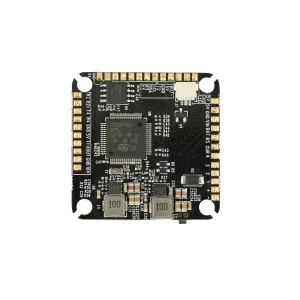
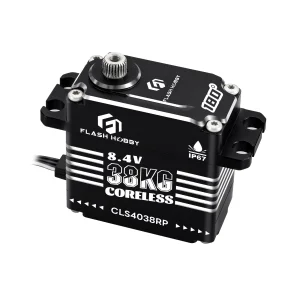
Our complete range of industrial-grade ESC stacks, high-torque outrunners, and digital servos ready for Nagoya's supply chains.
Ensuring seamless import processes, regulatory compliance, and localized engineering assistance.
Importing electronic hardware into Japan requires strict adherence to regional safety and environmental standards. Our motor controllers and brushless DC motors are designed and tested to conform to Japanese and international standards, including PSE (Product Safety Electrical Appliance & Materials), CE, and RoHS directives. This eliminates regulatory bottlenecks during customs clearance at the Port of Nagoya and ensures that your final products comply with Japanese national law.
Our collaboration extends beyond hardware delivery. We offer localized technical integration support to help Japanese system designers integrate our speed controllers with legacy industrial PLCs or custom flight controllers. Our engineering team provides FOC parameter tuning, EMI mitigation recommendations, and customized firmware builds to align with your specific torque curves and load profiles, minimizing development cycles and time-to-market.
Answers to common technical questions raised by industrial buyers and engineering integrators in the Nagoya region.
Discuss your custom ESC firmware requirements, batch pricing, and shipment logistics with our engineering and export team.
Send Inquiry Now Yaftech Motor