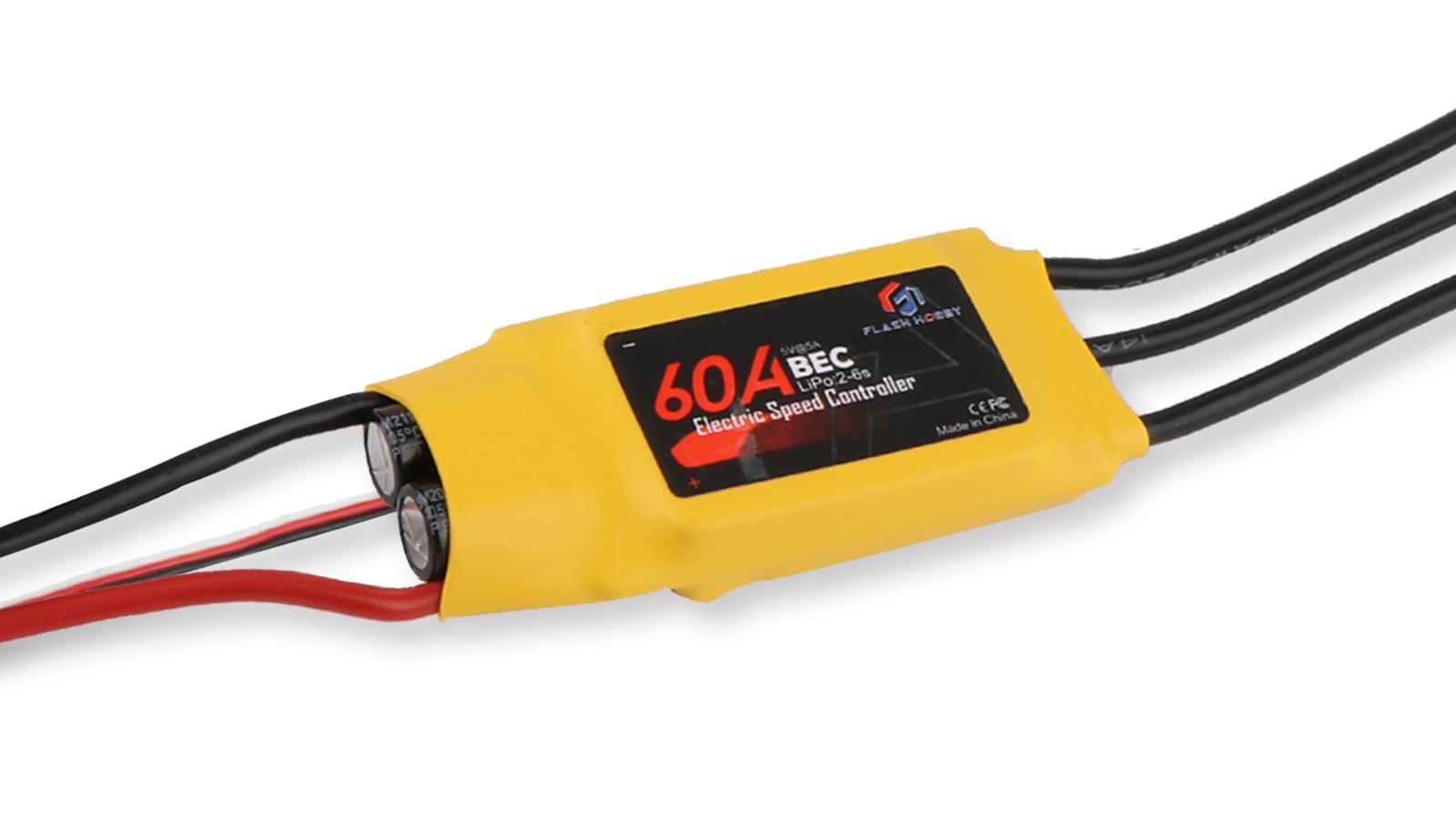
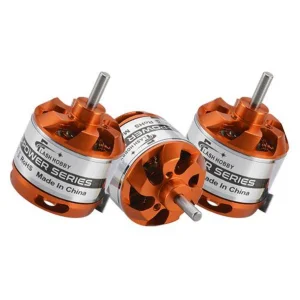
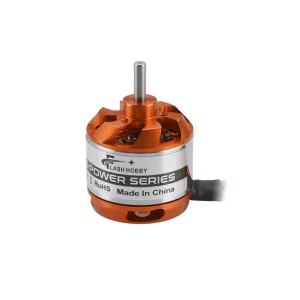
Explore our flagship brushless outrunners, waterproof motors, and digital servos engineered for drones, marine applications, and home appliances.
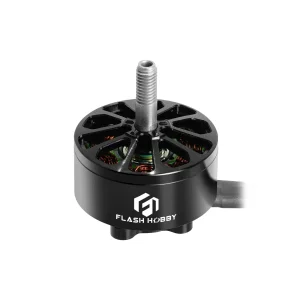
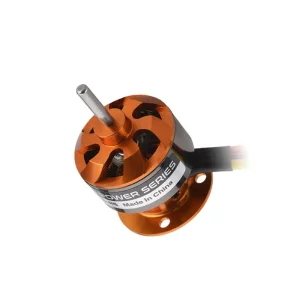
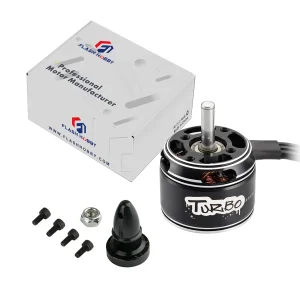
How Integrated Inverter Technology and Precision Core Electronics Drive Modern Global Industries
In the modern era of electrification, the division between kinetic hardware and power electronics has vanished. An inverter is the intelligence system of any brushless DC (BLDC) motor, acting as the dynamic translator between DC chemical batteries and multi-phase AC synchronous mechanical force. Without an advanced inverter employing Field-Oriented Control (FOC) or high-frequency Space Vector Pulse Width Modulation (SVPWM), high-torque hardware cannot realize its potential.
As a leading supplier of motion control hardware, Huizhou Yaftech Motor Co., Ltd. bridges this gap. By offering optimized, low-impedance motor designs that pair seamlessly with intelligent ESCs (Electronic Speed Controllers) and sine-wave inverters, we maximize electrical efficiency, eliminate harmonic heating, and deliver predictable torque outputs across wide-ranging thermal windows.
At Huizhou Yaftech Motor Co., Ltd., we believe that the heart of every great machine is a reliable motor. As a premier China DC motor manufacturer, we have spent over 10 years specializing in the design, customization, and mass production of high-performance DC and brushless motor solutions for global industries.
From our state-of-the-art manufacturing facility in China, we control the entire lifecycle of production—from initial R&D and rapid prototyping to strict ISO-certified quality testing and high-volume delivery. We don’t just supply hardware; we partner with OEM buyers, engineers, and supply chain managers worldwide to solve complex motion control challenges with cost-efficient, industrial-grade reliability.
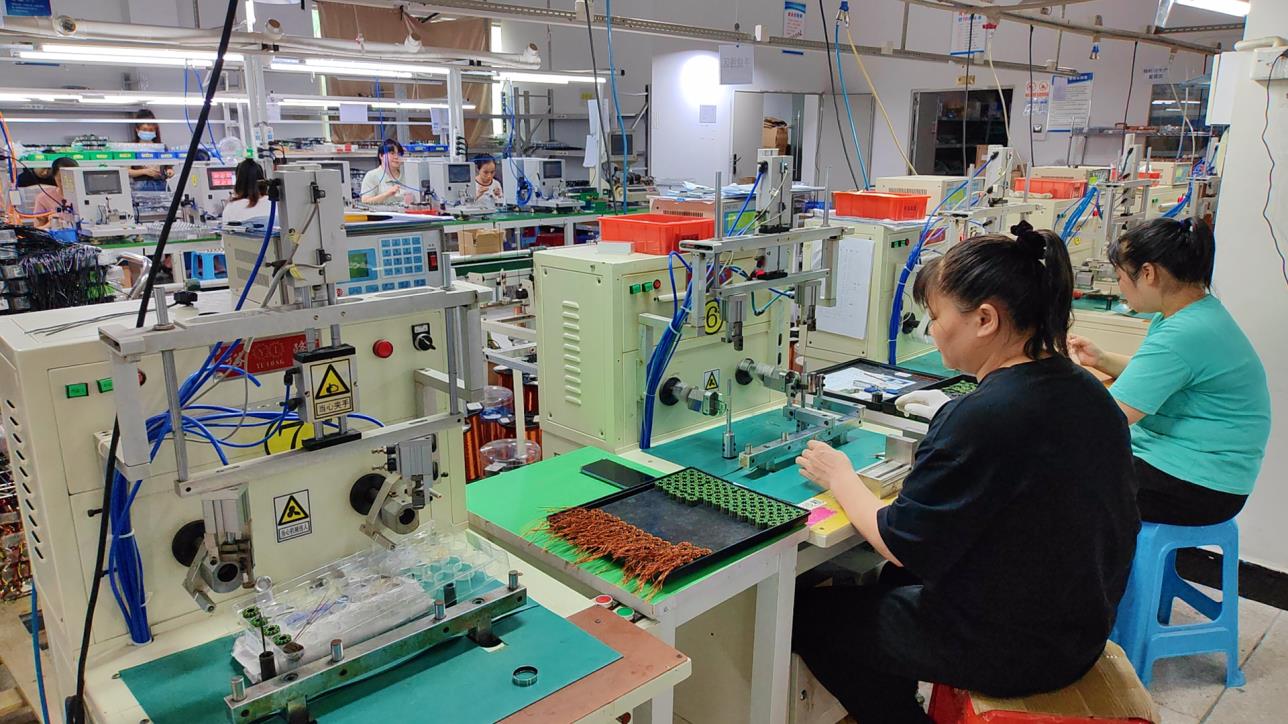
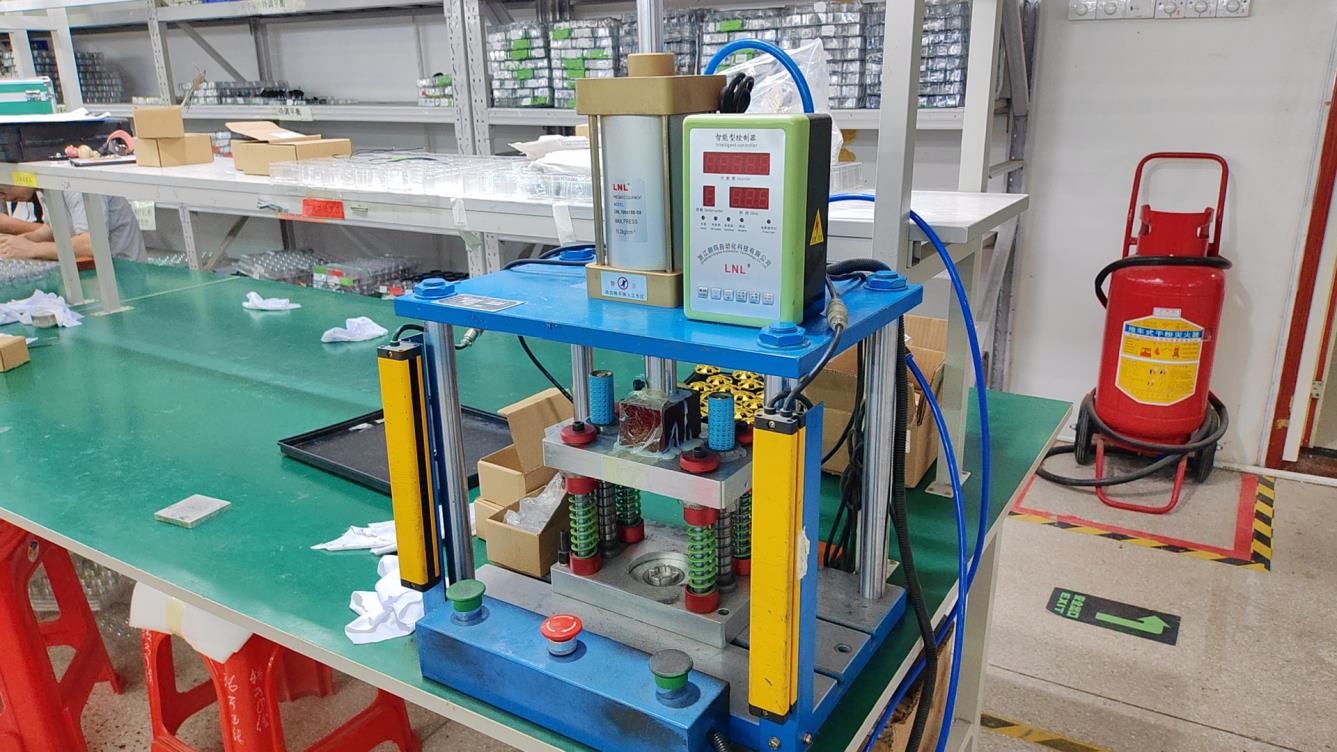
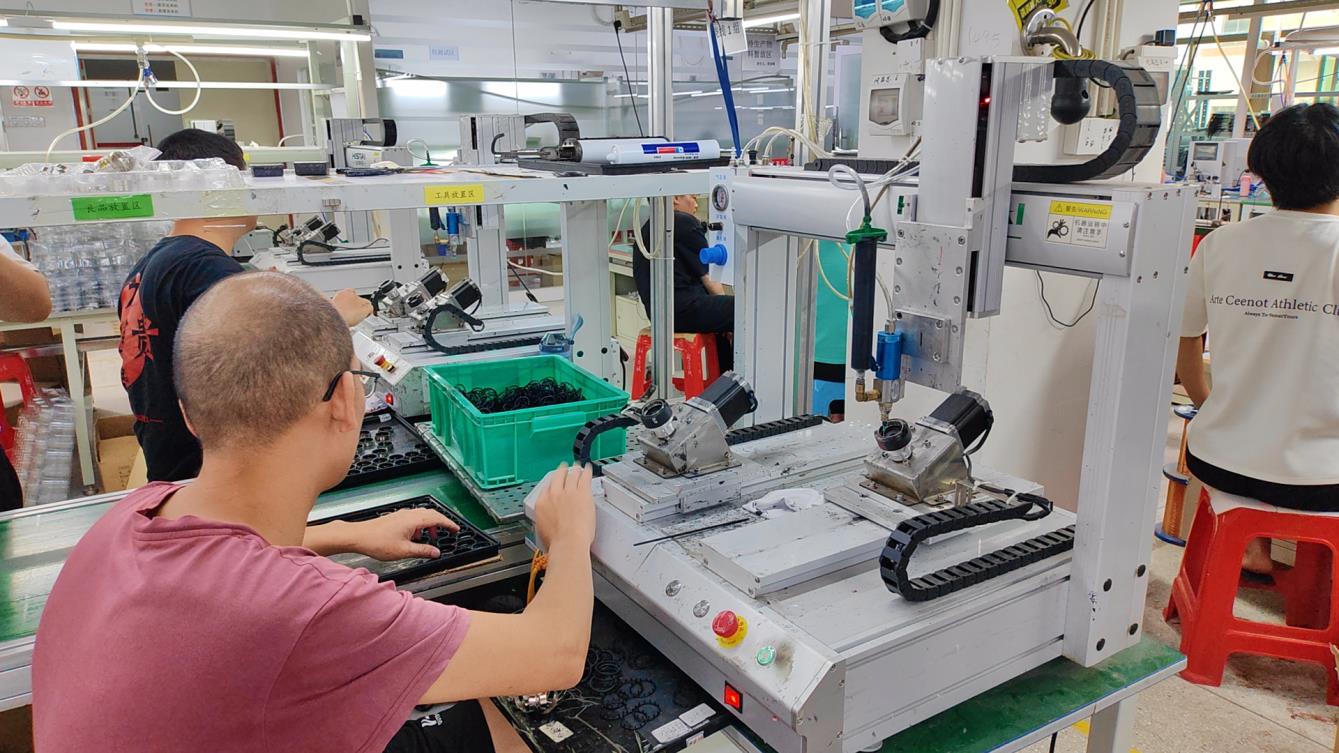
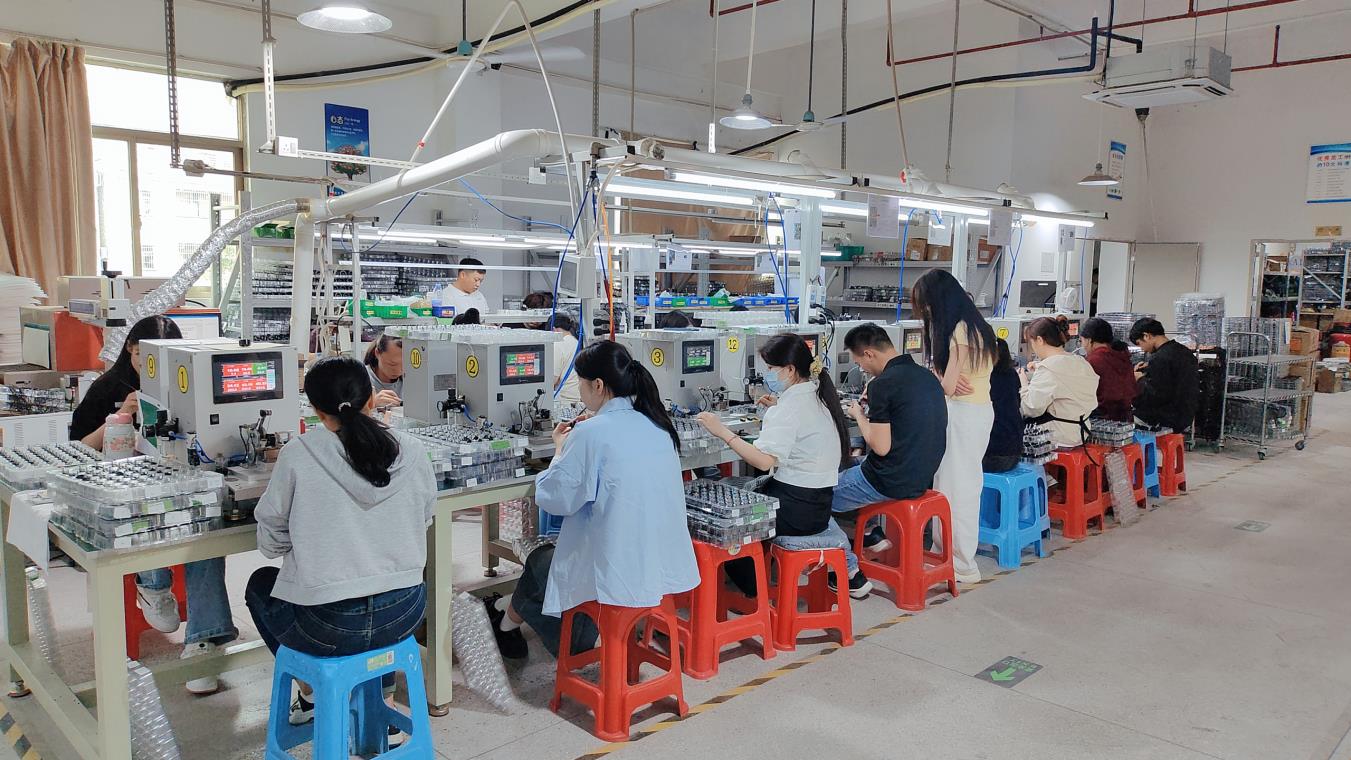
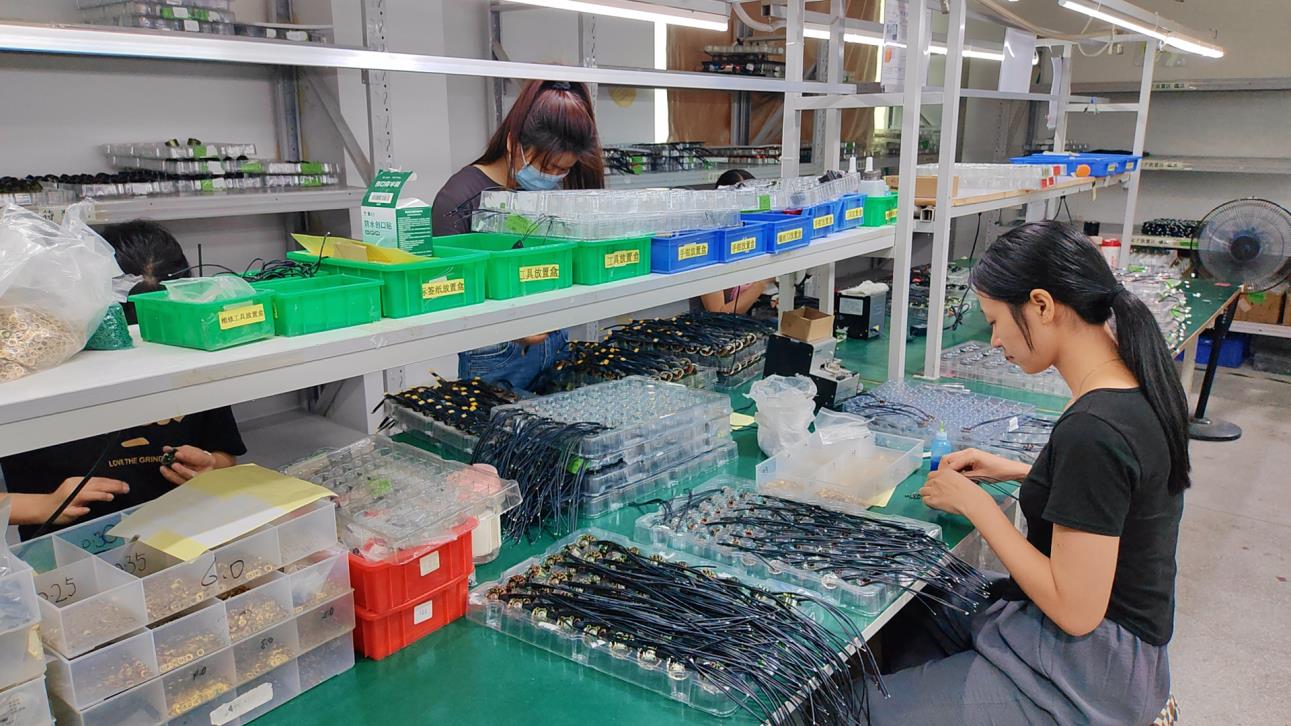
From premium raw materials to automated winding and testing, observe how we maintain quality control at scale.
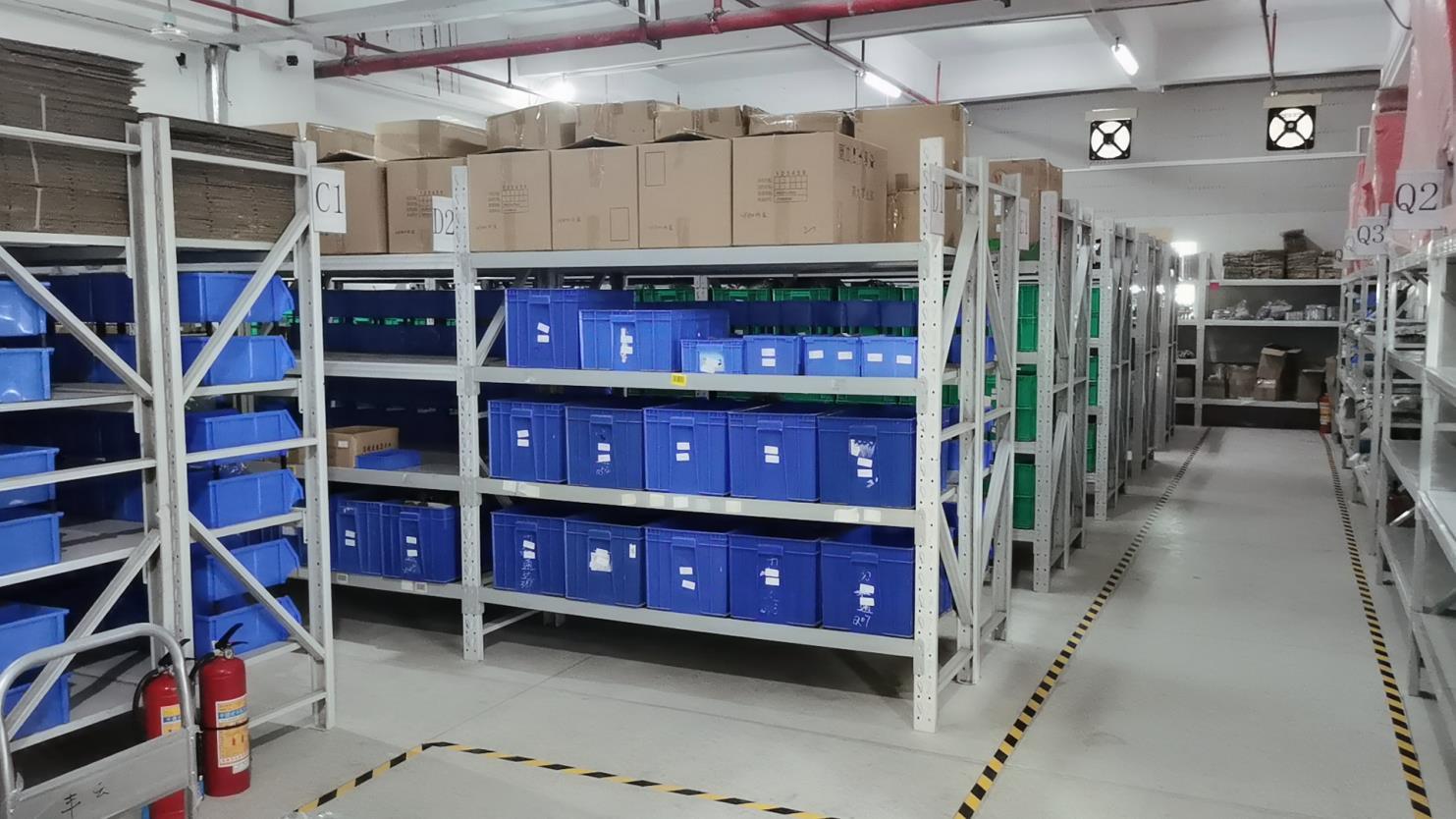
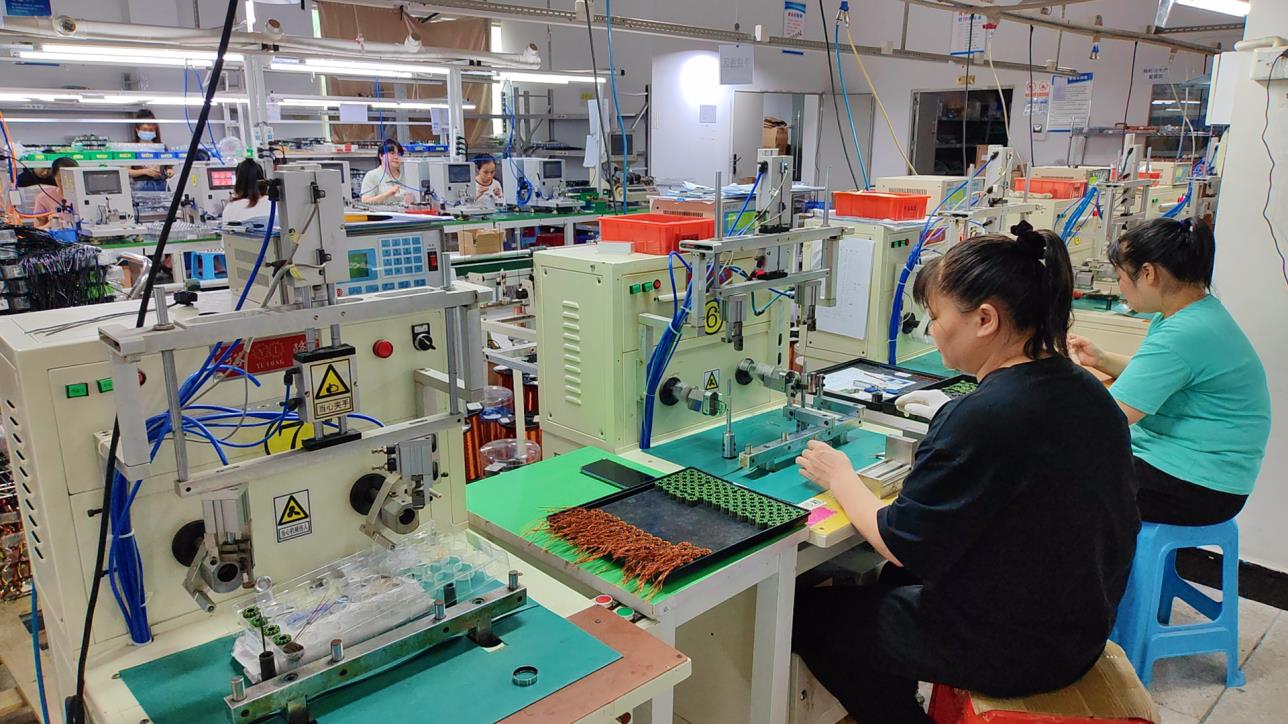
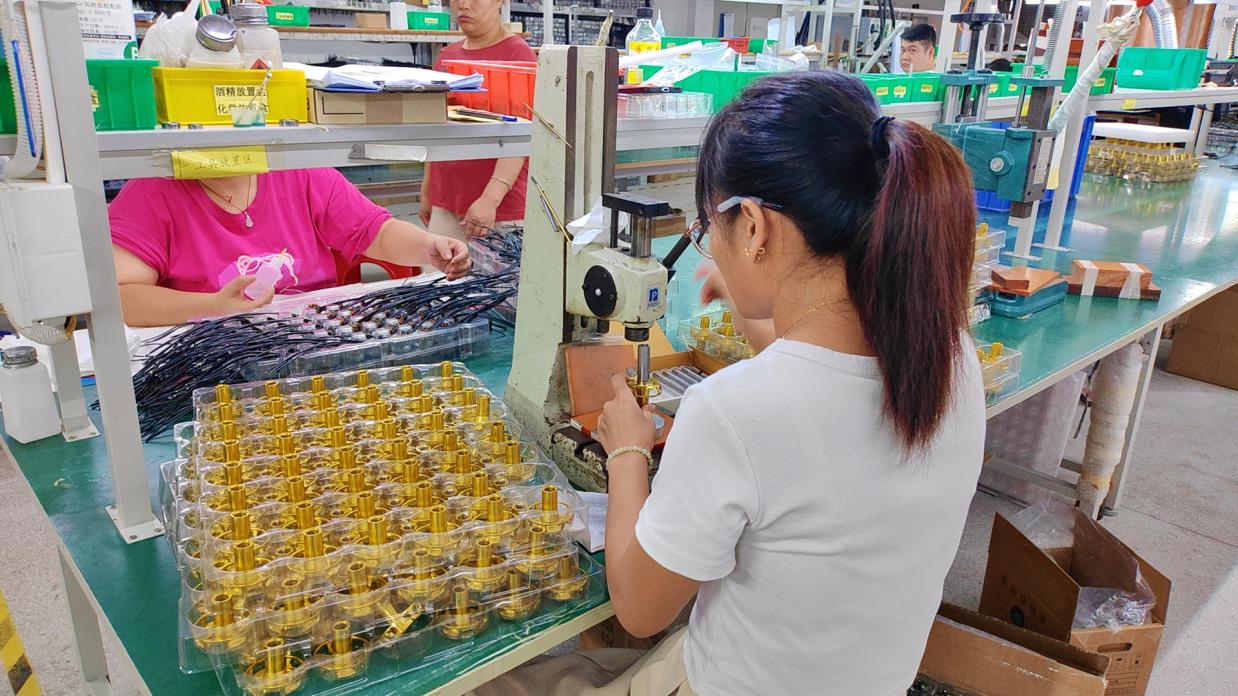
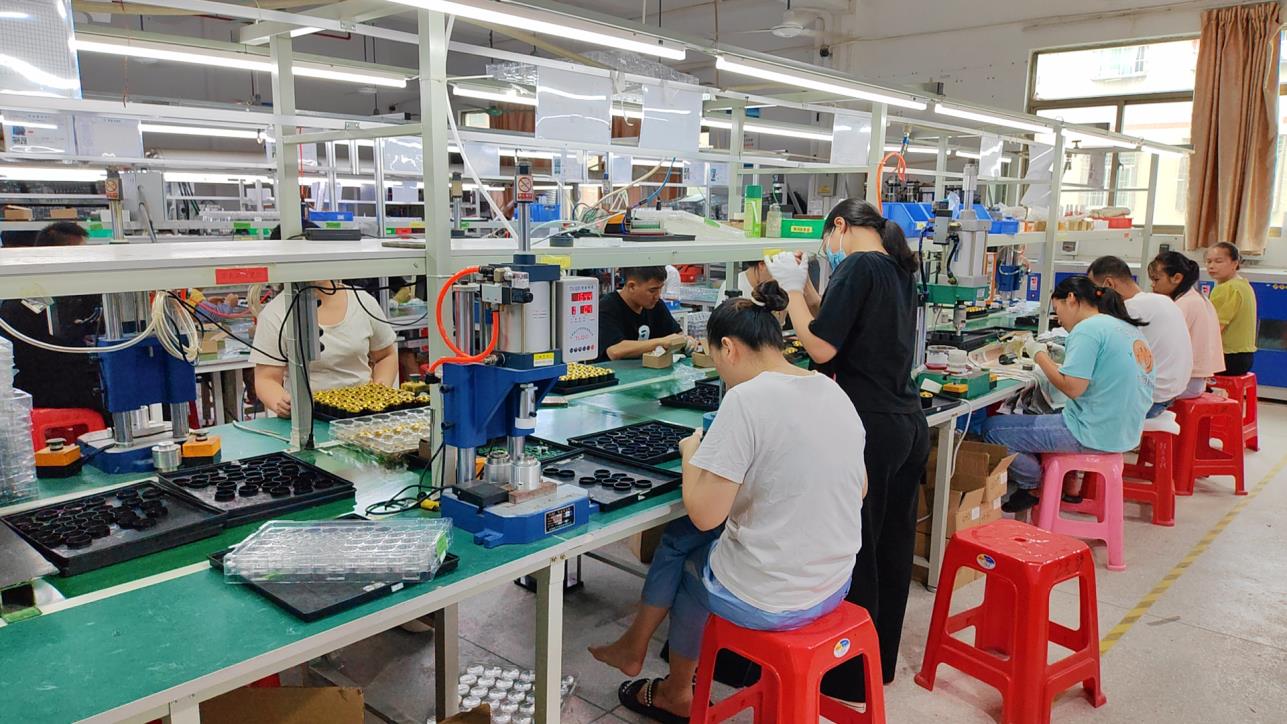
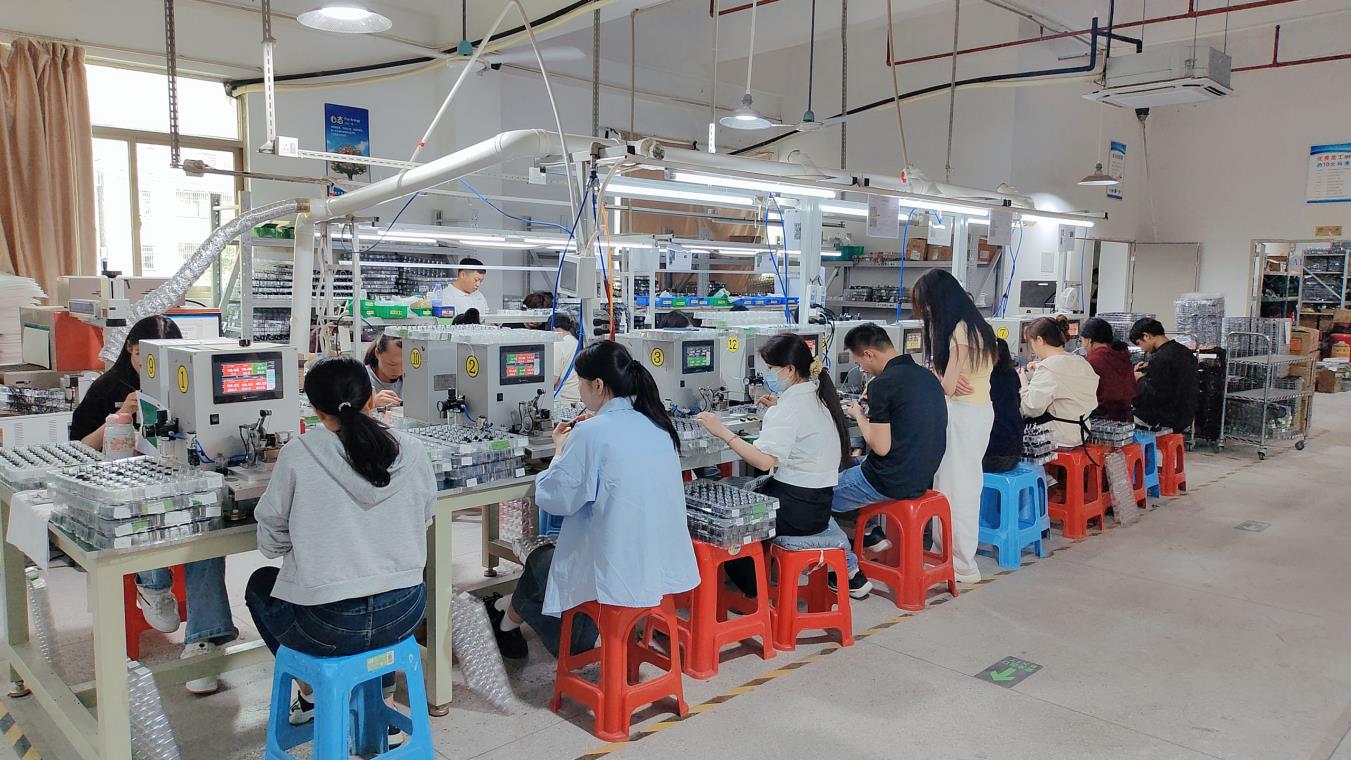
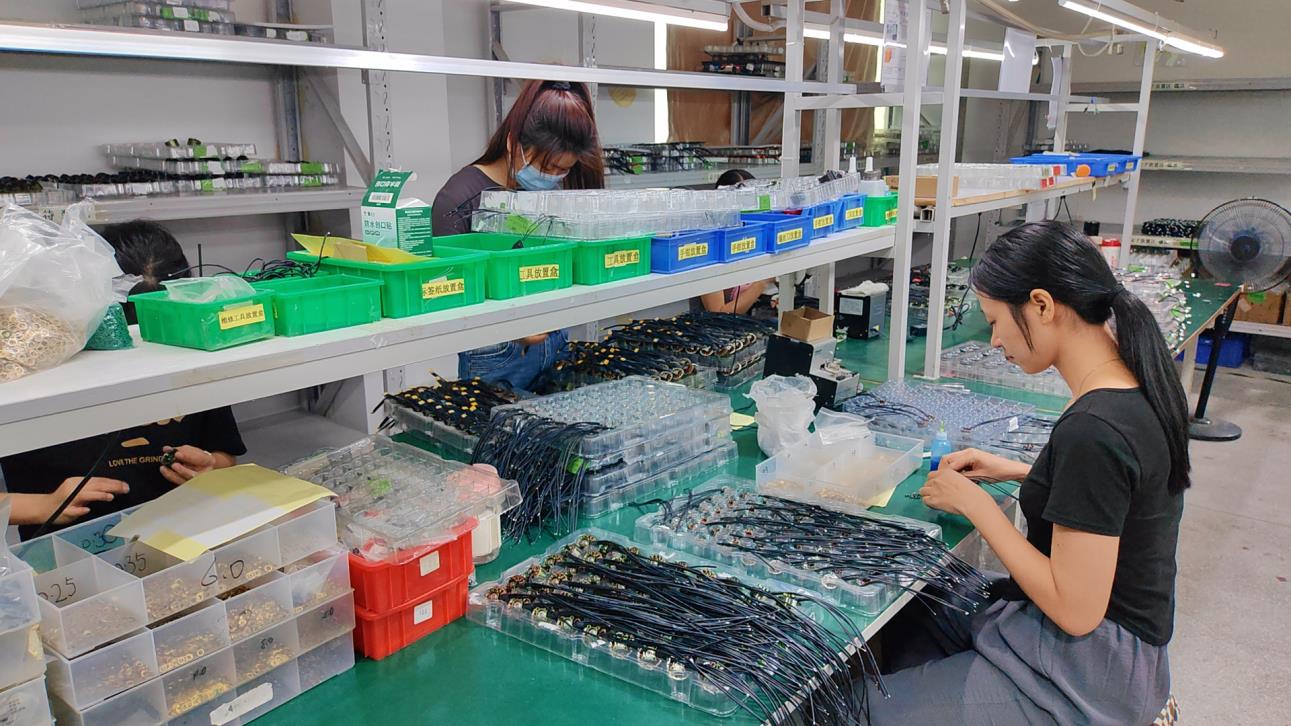
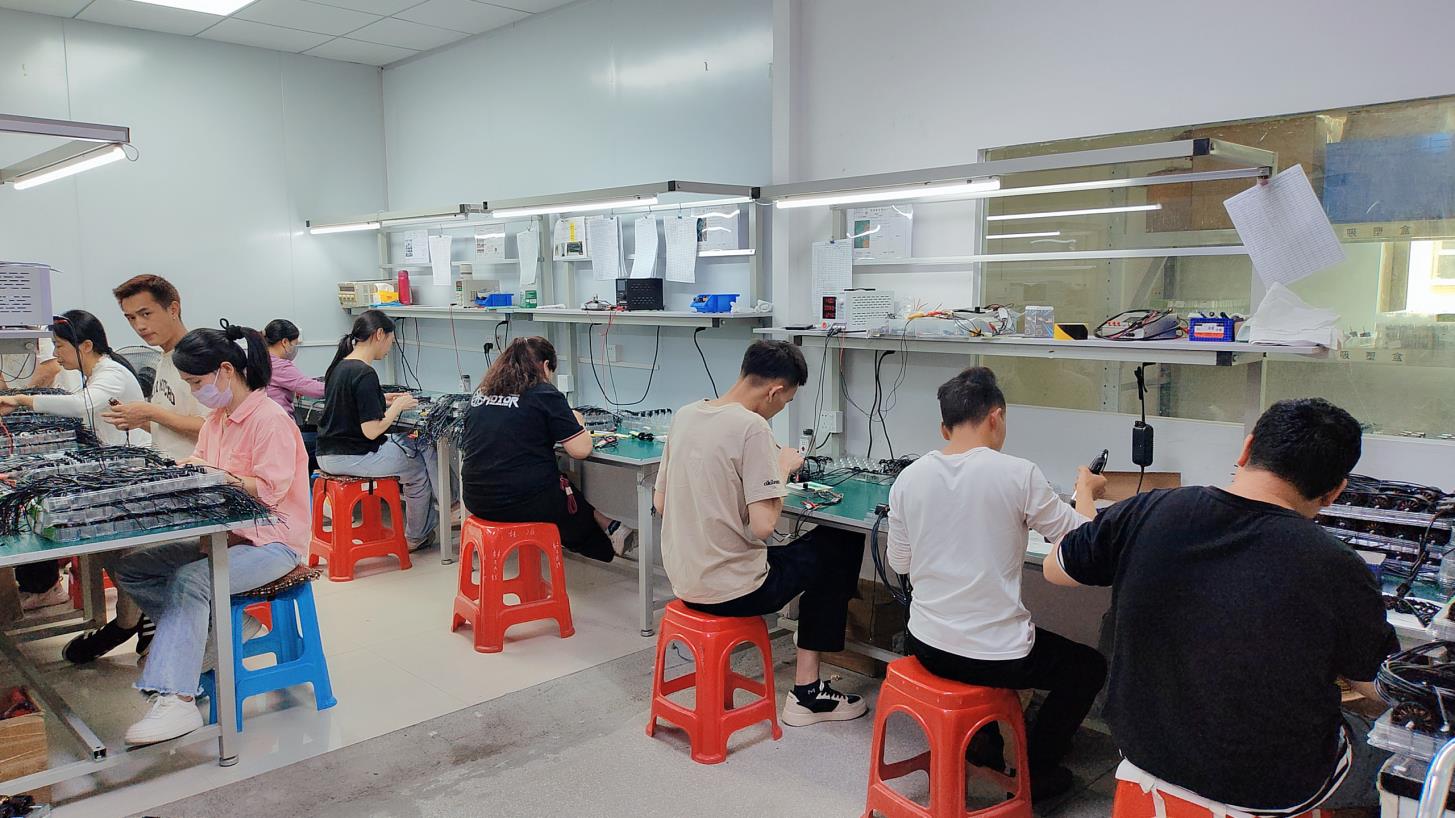
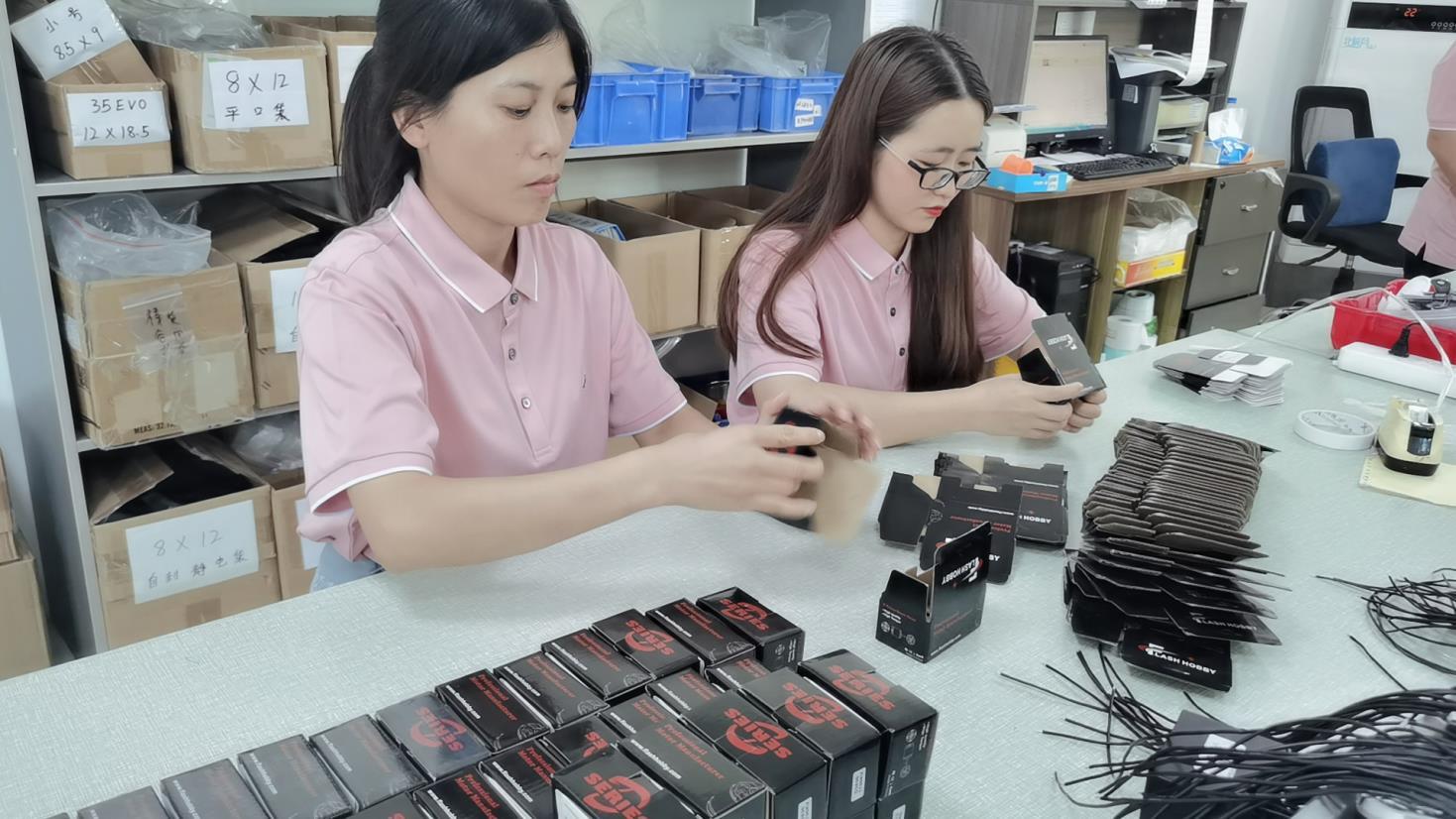
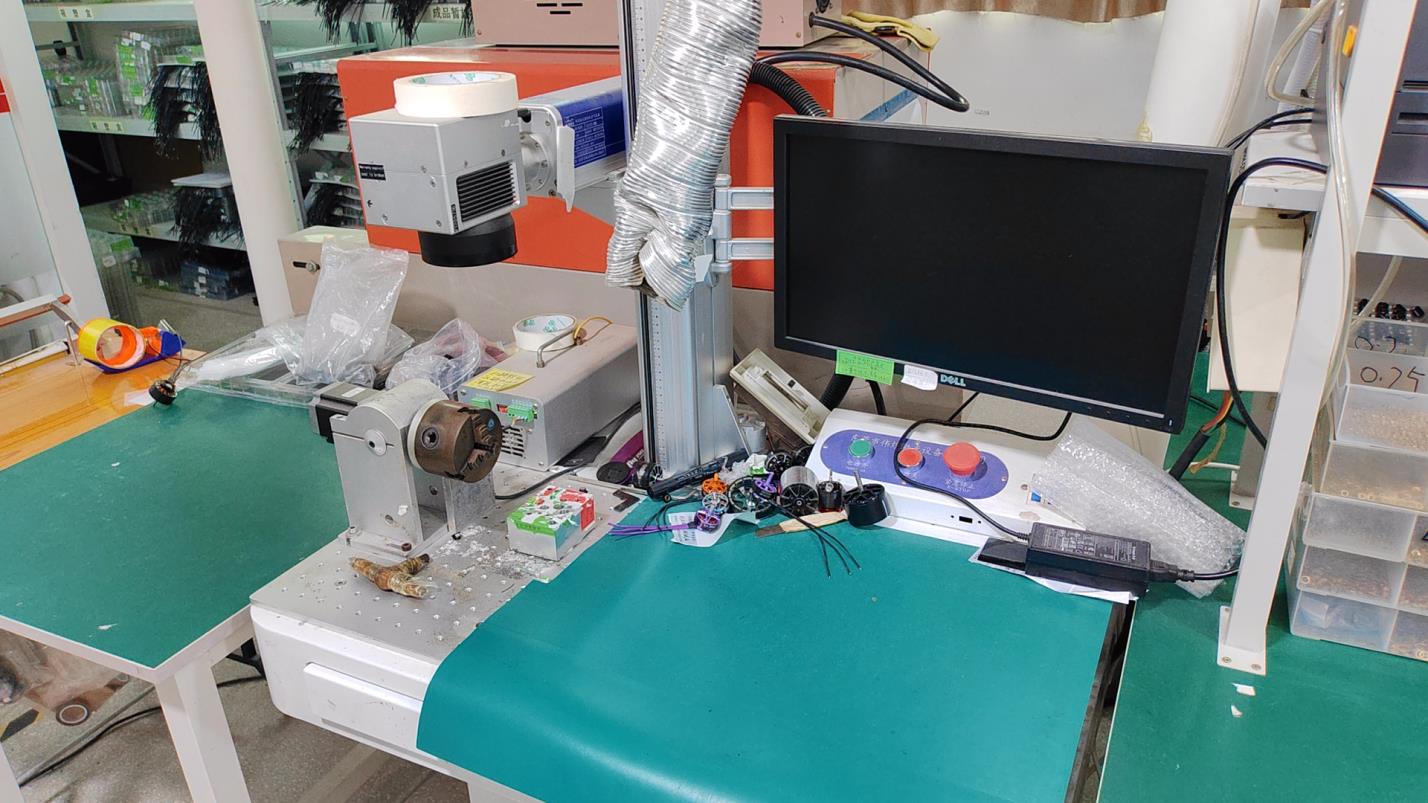
Our facility utilizes modern, computer-controlled machinery to maintain narrow tolerances and rapid manufacturing cycles.
How wide-bandgap semiconductors, vector math, and edge computing are shaping the next generation of power drivers.
The transition from silicon-based MOSFETs to Gallium Nitride (GaN) and Silicon Carbide (SiC) technologies represents a major advancement in high-frequency power electronics. GaN and SiC allow inverters to switch at rates above 100 kHz while minimizing thermal loss. This reduces the size of passive components (capacitors and inductors), leading to lighter weight in aerospace and automotive designs.
By reducing internal resistance (Rds-on) and switching losses, modern smart controllers lower thermal loads. For industrial systems, this means smaller heat sinks and longer operating times between maintenance cycles.
Modern inverters rely on advanced software. Traditional scalar (V/Hz) and simple trapezoidal commutation methods are being replaced by sensorless Field-Oriented Control (FOC). FOC decomposes the stator current vector into two orthogonal components: one that generates magnetic flux, and another that produces torque.
By controlling these components independently, the driver maintains high efficiency across the entire RPM curve. Sensorless estimators calculate rotor position using back-EMF observers, removing the need for physical Hall sensors. This increases reliability in high-vibration or waterproof environments, such as marine and UAV systems.
Future motor controllers will act as intelligent edge-computing nodes. By continuously tracking current fluctuations, phase anomalies, and winding temperature rises, integrated drive software can predict mechanical issues before they lead to failure.
If a winding runs warm or a bearing generates high-frequency vibration, the inverter dynamically modifies its carrier frequency or active phase-commutation angle. This helps protect the hardware from damage and provides diagnostics to central control systems via CAN-bus or EtherCAT.
As switching frequencies increase, managing electromagnetic interference (EMI) is essential. High dV/dt rates can generate common-mode noise, leading to bearing corrosion and signal degradation.
Our current designs incorporate multi-stage EMI filters and shielded metal housings. This ensures compliance with European and American emission standards, keeping signal integrity clear for nearby sensors, telemetry links, and positioning equipment.
Providing tailored motion and power conversion systems to meet demanding operational challenges.
Brushless motors require fast controller response times for multi-rotor stabilization. Our systems support high refresh-rate inputs (such as DShot and ProShot) and feature regenerative braking. This returns kinetic energy to the battery during deceleration, extending flight times.
AGVs, AMRs, and robotic arms rely on precise positioning. Our high-resolution magnetic encoder configurations work with digital control loops to provide stable, low-speed torque and accurate positioning, preventing path deviation during heavy load carrying.
Submersible thrusters and marine equipment operate in harsh environments. We manufacture IP67 and IP68 waterproof motor-drive systems featuring anti-corrosive coatings, marine-grade bearings, and sealed aluminum heat sinks to protect against seawater ingress.
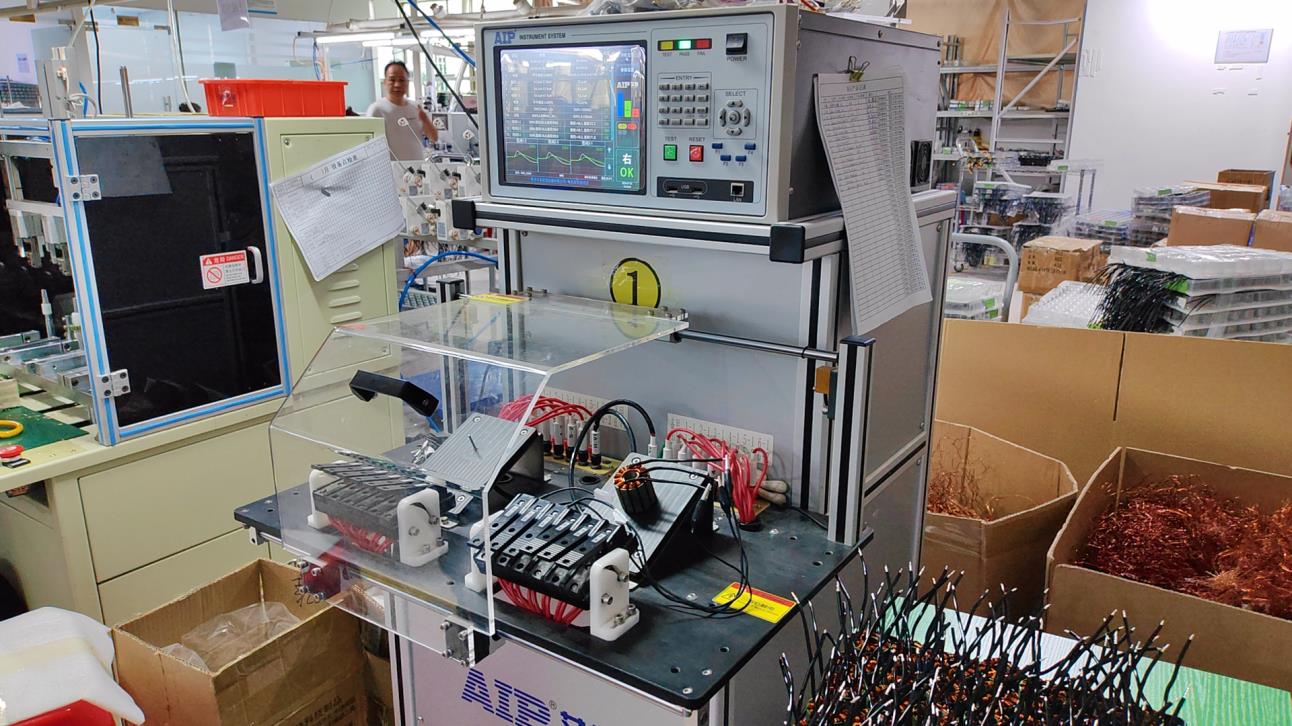
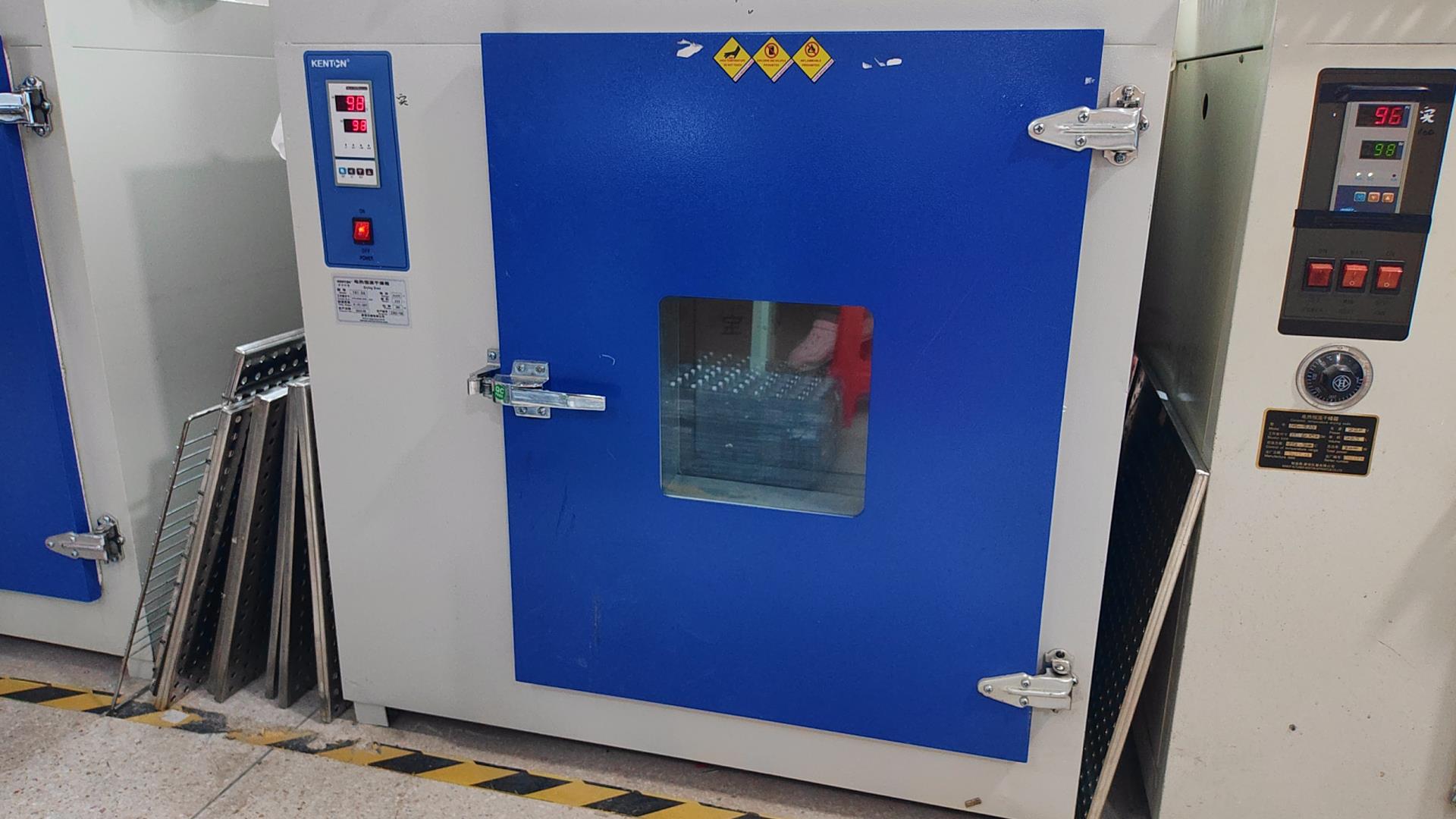
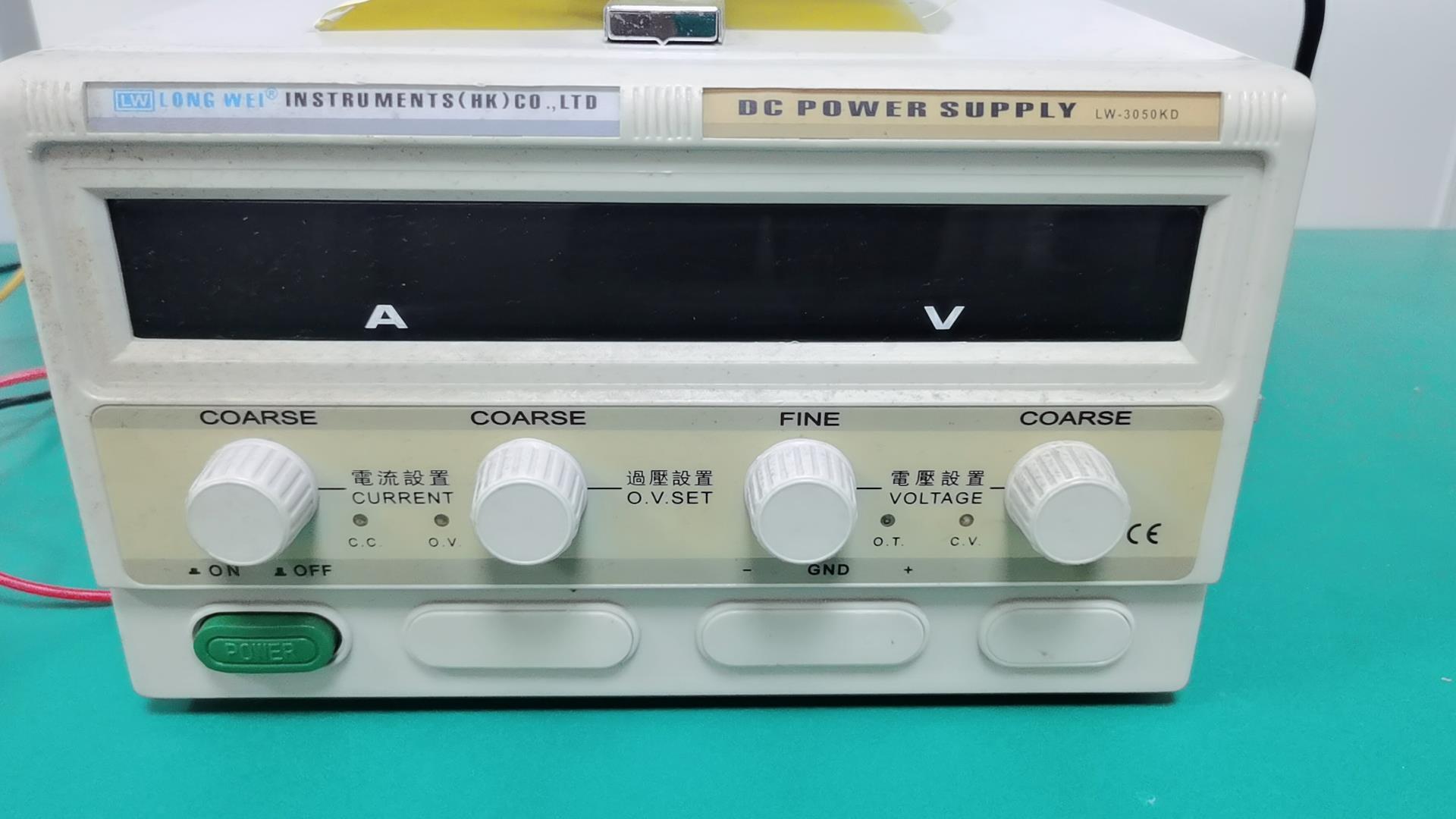
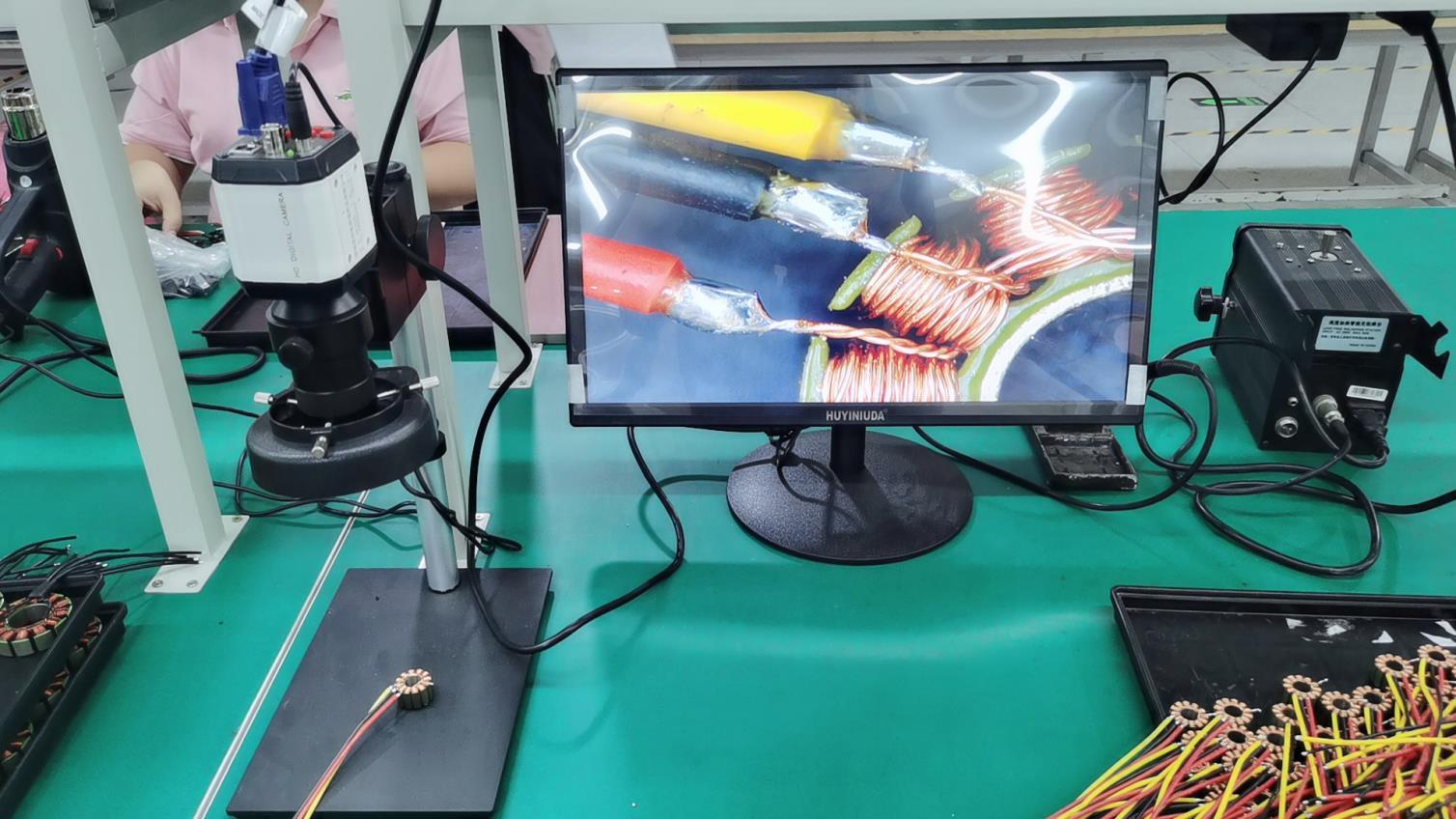
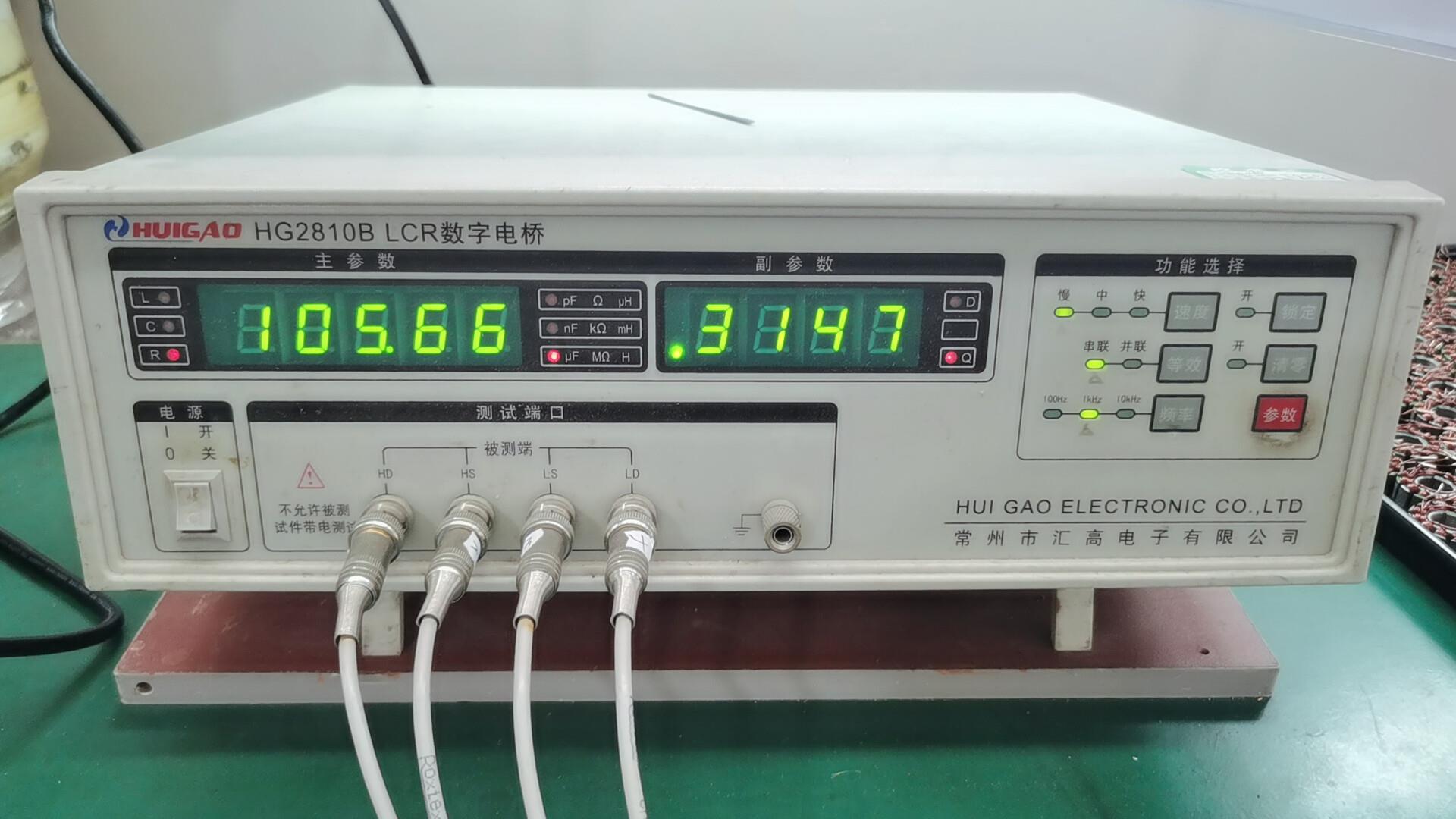
Inside our advanced inspection department, where every batch undergoes mechanical, environmental, and chemical stress testing.
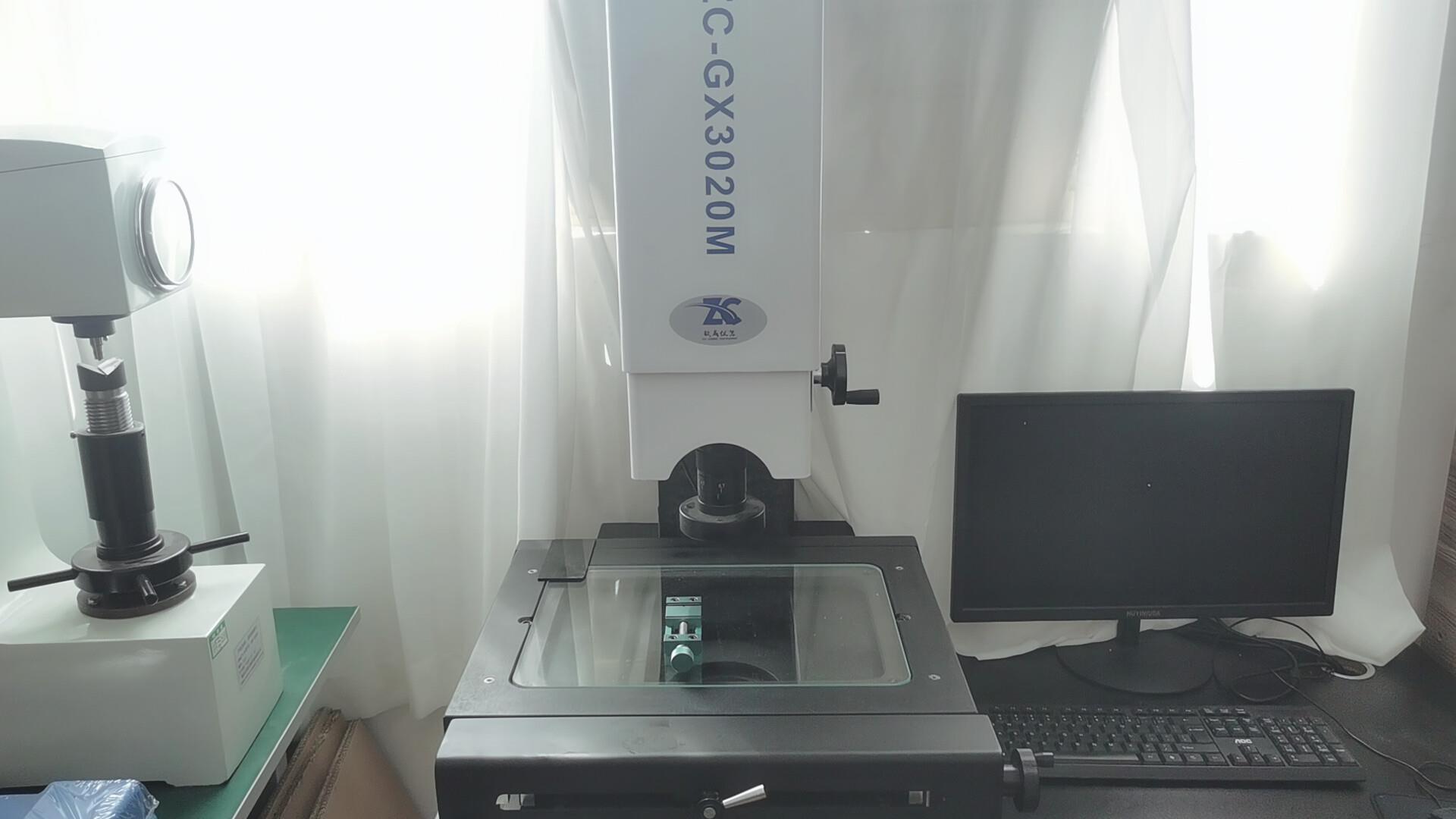
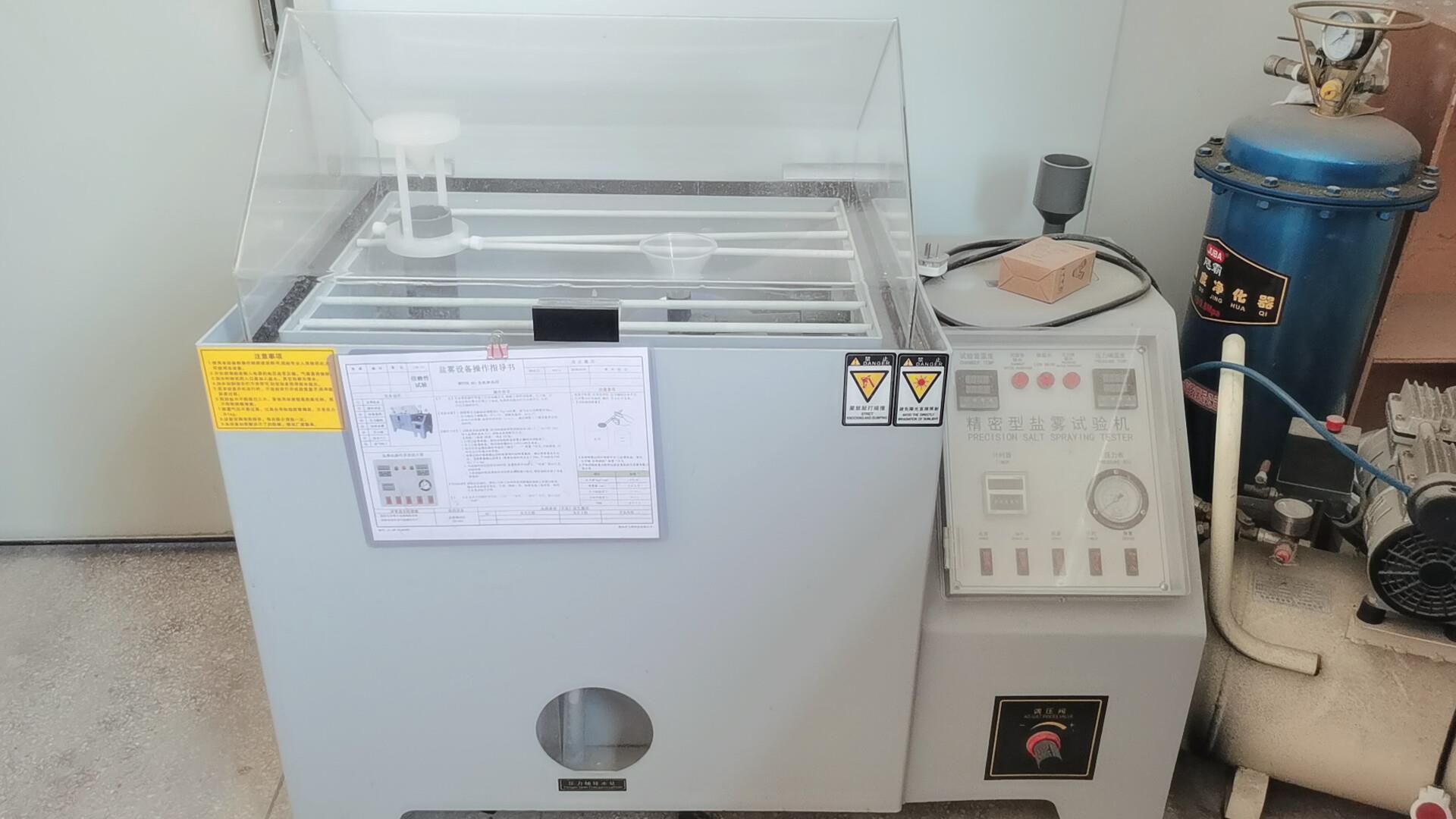
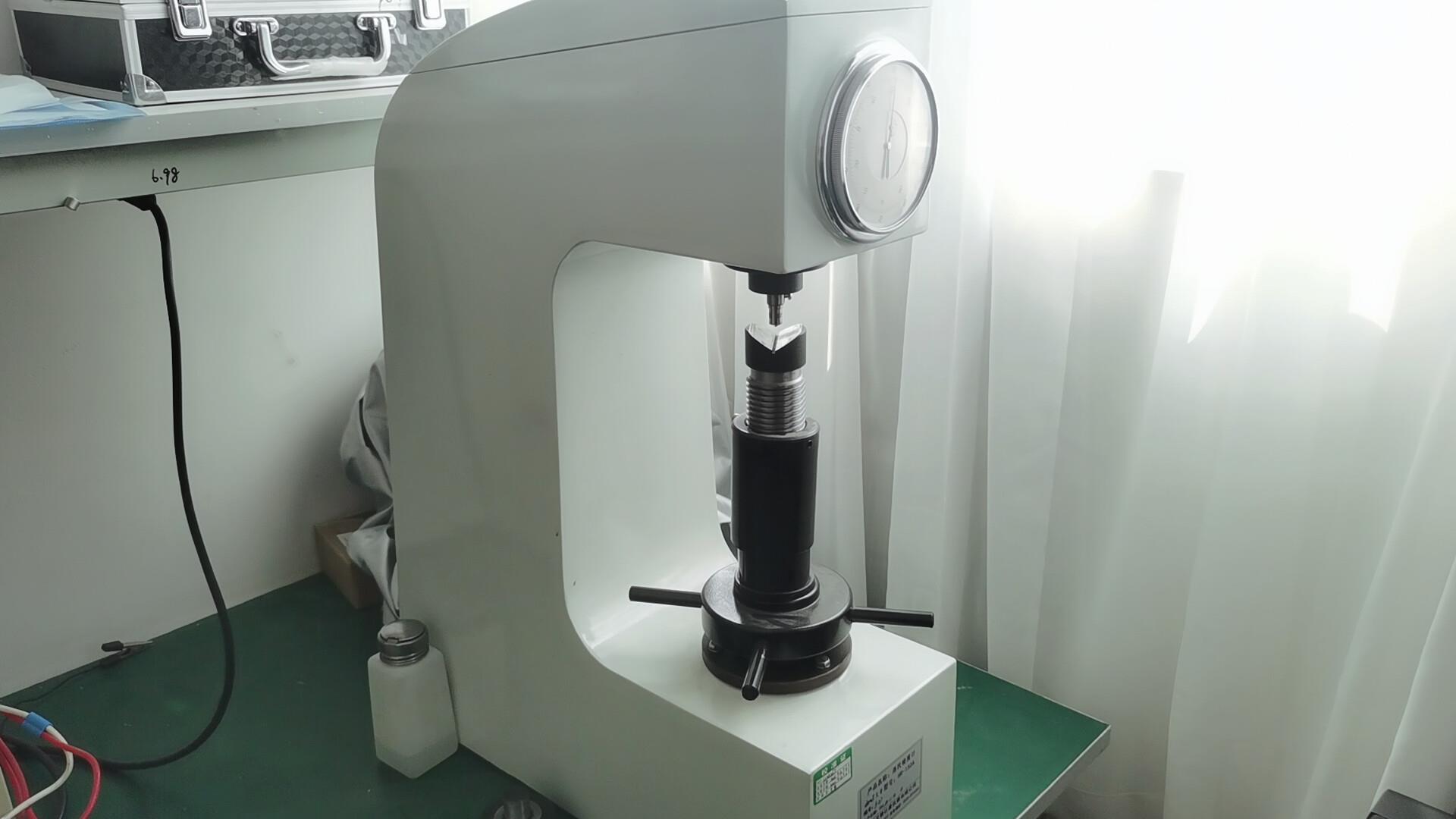
Helping global buyers navigate complex international standards and localized technical compliance.
Exporting power systems and electric motors globally requires adherence to strict safety and electromagnetic standards. Huizhou Yaftech Motor Co., Ltd. ensures all customized OEM/ODM products meet regional requirements:
Our factory leverages the Pearl River Delta electronics supply chain. By sourcing raw copper wire, NdFeB magnets, and precision silicon steel locally, we keep our supply lines secure.
We maintain safety stock levels for critical components like MOSFETs, capacitors, and microcontrollers. This helps protect our partners from market price fluctuations and shipping delays.
Answers to common technical questions regarding brushless motors, water protection, and customization processes.
Field-Oriented Control (FOC) feeds sinusoidal currents into the motor windings, aligning stator and rotor magnetic fields. This reduces torque ripple, lowers acoustic noise, and decreases thermal losses by minimizing current harmonics. As a result, systems achieve higher efficiency and more consistent torque delivery.
To achieve water protection, we use vacuum-pressure impregnated (VPI) epoxy resin on the stator windings to prevent contact with moisture. We also select ceramic or double-sealed stainless steel bearings, treat the rotor magnets with corrosion-resistant coatings, and seal the wire egress points with synthetic rubber.
Our quality control process runs throughout production. We test raw materials at intake, monitor automated winding tolerances, and run dynamic balance checks on every rotor. Final assemblies are tested for insulation resistance, voltage compliance, and torque profiles to ensure they match our customers' specifications.
Yes. We can customize KV ratings by modifying the stator winding turns and wire diameter. We also offer customization of shaft designs (including D-cut, splined, or hollow options), mounting hole layouts, and lead wire lengths to suit your application.
High-speed rotation amplifies any mass asymmetry in the rotor, leading to vibration, bearing stress, and noise. Our dynamic balancing machine measures force displacement during rotation, allowing technicians to apply precise balancing weights. This process keeps vibration levels minimal, protecting the bearings and extending operating life.
Standard prototype adjustments (such as shaft changes or custom KV winding) typically take 10 to 15 business days. More complex designs involving new stator or rotor lamination molds generally require 30 to 45 days for tool creation, validation, and sample production.
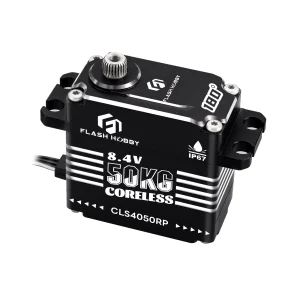
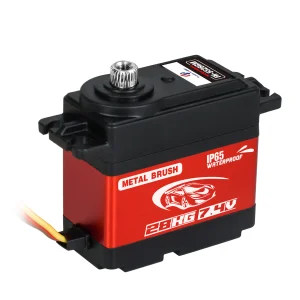
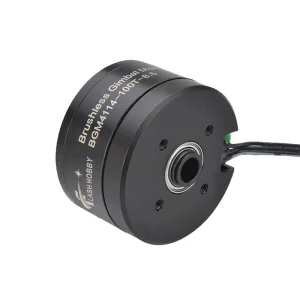
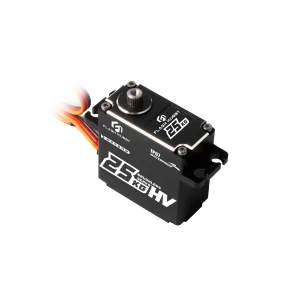
High-torque digital servos and hollow-shaft gimbal motors designed for robotic joints, camera stabilizers, and UAV control surfaces.
 Yaftech Motor